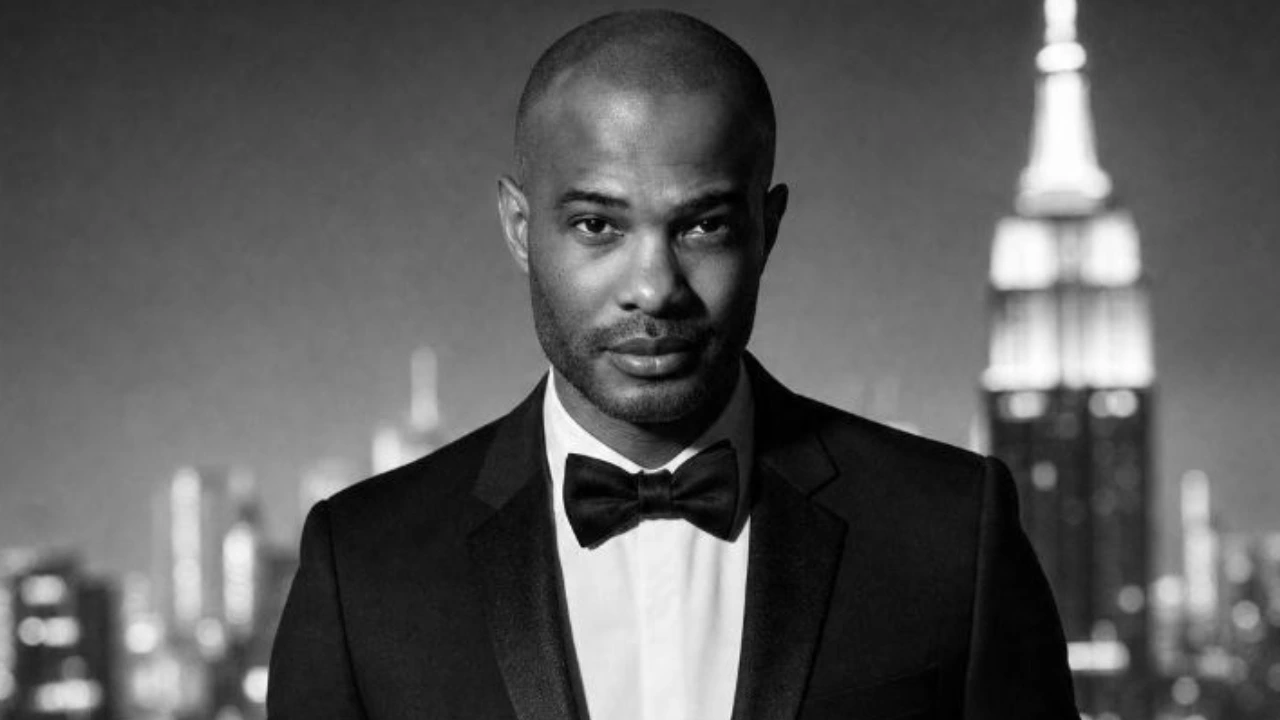


- Moschino has appointed Loris Messina and Simone Rizzo as creative directors, effective immediately.
- Their first collection shows at Milan Fashion Week in September 2026, which is an unusually short runway from appointment to debut.
- It is a duo rather than a single name, and a duo from outside the traditional house system.
- Moschino has cycled through creative leadership repeatedly since 2023. The question is whether anything else changes this time.
Moschino has named Loris Messina and Simone Rizzo as its creative directors, with immediate effect and a first collection due at Milan Fashion Week in September. Two things make this appointment worth more attention than the average creative director announcement. It is a duo rather than a single figure, which is rarer than it used to be at this level. And the gap between appointment and debut is measured in weeks rather than in the four quarters a collection normally requires. Here is what the house is asking for and what the timeline actually implies.
What Has Been Announced
Messina and Rizzo take creative direction of the house effective immediately, and will present their first collection during Milan Fashion Week, which runs from 22 to 28 September 2026.
Two structural features stand out.
- A duo, not a director. Shared creative leadership has become uncommon at established houses, where the single-author model is the norm. It works when the pair has a genuinely established working relationship and fails when it becomes a committee, which is the failure mode we described at Kate Spade.
- A compressed timeline. A collection normally takes months from concept to runway. Showing in September after an immediate start means the debut will be assembled at speed, and it should be read as a statement of direction rather than as a fully resolved vision.
Weeks, not quarters. The interval between appointment and first show. A creative director’s effect is normally measurable only after roughly four quarters, because collections are designed months ahead. A September debut after an immediate start compresses that to almost nothing.
Why the Duo Format Matters
Because shared creative authority resolves one problem and creates another.
What it resolves is bandwidth. A modern creative direction covers ready-to-wear, accessories, campaigns, retail concept and collaborations, and the volume defeats individuals regularly. Two people with complementary strengths cover more ground without diluting the output, provided the division of responsibility is genuine.
What it risks is the averaging problem. When two people must agree on every decision, the output tends toward the option neither objects to rather than the one either would have chosen. The average of two strong instincts is usually a weak one, and it is precisely what happened at Kate Spade, which ran nearly five years with creative responsibility split between two design directors and watched its position drift. We set that out in Kate Spade getting a creative director again.
The difference between the two outcomes is whether the pair arrives with an existing shared language or is assembled by a board. Duos who have worked together for years function as a single author. Duos introduced to each other by a chief executive do not.
What Moschino Is Actually Asking For
The house has a specific and difficult brief. Moschino’s identity is built on irony, pop reference and visual excess, which is a position that dates faster than craft-based identities do. A house built on being witty has to be witty again every season, and the archive provides less shelter than it does at a maison whose codes are material.
That makes the appointment harder than it looks. A designer arriving at a heritage house can recover something from the archive, which is the pattern that separates changes that hold from those that get reversed, as we found in luxury rebrand examples. A designer arriving at Moschino has to be funny on a schedule.
It also arrives after repeated changes in creative leadership at the house since 2023. Each reset costs recognition, and a client asked to re-learn what a brand looks like every eighteen months eventually stops trying.
An immediate start with a show six weeks later usually means one of two things. Either the collection was substantially developed by the studio before the appointment and the incoming directors are editing rather than authoring it, or the debut will be deliberately small, a statement of intent rather than a full commercial collection. Neither is a criticism, and both are worth knowing before judging the result. The first genuinely authored collection will be the one after.
The Pattern This Fits
Luxury has replaced creative directors at an unprecedented rate over two years, across Dior, Versace, Celine, Burberry, Chanel and now Moschino. The appointment has become the sector’s default response to a difficult period because it is the fastest visible act available: it generates coverage, signals intent and touches neither the name nor the archive.
The evidence on whether it works is uneven, and the variable that separates the changes that held is not talent. It is whether anything commercial changed alongside the aesthetic. We set out that analysis in the creative director carousel.
Applied here, the question is not whether Messina and Rizzo are good. It is whether Moschino is also changing its distribution, its pricing or its product architecture, because a new aesthetic on the same commercial base is a signal without a substance behind it.
Judge the September show as a statement of direction, not as a verdict. Six weeks from appointment to runway is not enough time to author a collection, and the first genuinely representative work will arrive in a year. The more useful signal in the meantime is whether the house announces anything that is not creative.
Bottom Line
Moschino has appointed Loris Messina and Simone Rizzo as creative directors with immediate effect, showing at Milan Fashion Week in September. The duo format can work where the pair already functions as a single author and fails where it becomes a committee. The compressed timeline means the debut should be read as intent rather than as a resolved vision. And the house carries a harder brief than most, because an identity built on irony has less archive to fall back on than one built on craft. The thing to watch is not the runway in September but whether Moschino changes anything beneath it, since two years of sector-wide appointments have shown that aesthetic change without commercial change does not hold. The wider Milan calendar is set out in our coverage of the September circuit.
FAQ
Who are Loris Messina and Simone Rizzo?
An Italian design duo appointed as creative directors of Moschino with immediate effect, presenting their first collection at Milan Fashion Week in September 2026. They arrive as a pair rather than as individual appointees, which is increasingly uncommon at established houses where the single-author model dominates.
When will their first Moschino collection show?
During Milan Fashion Week, which runs from 22 to 28 September 2026. That is an unusually short interval from an immediate start, and it typically means either that the studio had substantially developed the collection already or that the debut will be a deliberately compact statement rather than a full commercial offer.
Do creative director duos work in fashion?
They work when the pair has an established shared language and a genuine division of responsibility, which allows them to cover more ground than an individual without diluting the result. They fail when every decision requires agreement, because the compromise option is rarely the strongest one and the brand ends up without a clear point of view.
How long before a new creative director affects sales?
Roughly four quarters, because collections are designed months ahead and reach stores in stages. Press response and initial sell-through appear sooner but measure attention rather than durable demand. Judging an appointment on its first show, particularly one assembled in weeks, is premature in either direction.