

Mulberry Returns to London Fashion Week as Luxury Fashion Brands Rediscover the Power of Creative Identity
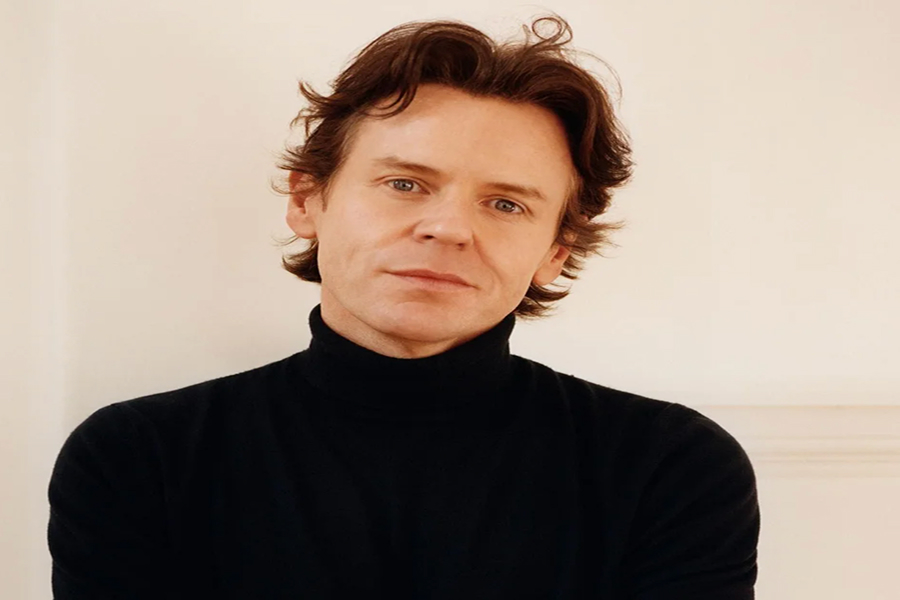
The show represents considerably more than a return to the fashion calendar. It marks the next stage of Mulberry’s wider transformation, combining a renewed focus on British identity with ready to wear, creative direction and greater brand desirability at a time when Luxury Fashion Brands are competing more intensely for the attention of the world’s most valuable consumers.
For the 1%, fashion is increasingly defined by distinction, craftsmanship and cultural relevance. Mulberry’s decision to place creativity back at the centre of its strategy reflects how important these qualities have become across the global luxury market.
Christopher Kane Begins a New Chapter at Mulberry
Christopher Kane joined Mulberry as creative director for the category in March 2026, giving the house one of the most recognisable names in contemporary British fashion to shape its return to womenswear.
His first major expression for Mulberry will arrive on the London Fashion Week runway before reaching the market from January 2027. The timing allows the September presentation to operate primarily as a statement of creative intent, establishing the visual and cultural direction of the house before the collection enters boutiques.
This distinction matters because runway shows have always carried value beyond immediate sales. For Luxury Fashion Brands, they provide an opportunity to create desire, establish cultural relevance and articulate a point of view that can influence everything from accessories and retail to campaigns and private client experiences.
Kane brings an established creative vocabulary to that challenge. His appointment gives Mulberry an opportunity to reconnect its British heritage with a more contemporary fashion conversation.
Ready to Wear Returns to the Mulberry Universe
The Return to London Matters
Choosing London Fashion Week for Christopher Kane’s debut reinforces Mulberry’s British identity at a moment when provenance has become increasingly important within luxury.
London offers the house something that cannot simply be recreated elsewhere. Its fashion culture has historically combined heritage with experimentation, creating an environment where established institutions and unconventional creativity exist comfortably together.
Mulberry belongs naturally within this conversation. Its British roots, leather craftsmanship and longstanding connection with British culture provide an established foundation from which Kane can develop a new creative chapter.
For international UHNW consumers, authentic cultural identity can carry considerable value. A British luxury house that confidently expresses its origins offers something distinct within an industry populated by powerful French and Italian maisons.
Luxury Fashion Brands Are Competing for Desirability
Mulberry’s creative repositioning comes after a challenging financial period. The company introduced its Back to the Mulberry Spirit strategy in January 2025 following an 18.3% decline in group revenue during the important 13 week holiday period ending 28 December 2024.
For the 2025 financial year, revenue subsequently reached £120.4 million, representing a decline of 21%, while the company recorded a loss before tax of £23.7 million, according to the figures provided with the announcement.
The strategic response is therefore about rebuilding the emotional and creative value surrounding the house. Christopher Kane, ready to wear and London Fashion Week provide Mulberry with tools capable of generating renewed attention around the brand.
For Luxury Fashion Brands, desirability remains one of the industry’s most valuable forms of capital. Financial performance can ultimately depend on whether consumers feel sufficiently connected to a maison’s products, creative vision and cultural world to choose it within an exceptionally competitive market.
The Luxury Consumer Is Becoming More Selective
This challenge is particularly relevant as the global luxury consumer becomes more demanding about value.
Research from BCG and Altagamma indicates that 70% of luxury consumers abandoned at least one purchase during the previous 12 months because they believed the price was not justified. The implication for Luxury Fashion Brands is significant because pricing power increasingly needs to be supported by design, quality, craftsmanship and genuine desirability.
The same research places execution quality, design and timelessness among the central drivers of luxury purchasing, while visible logos rank among the least important considerations across the categories examined.
For Mulberry, this creates an interesting opportunity. British craftsmanship and leather expertise already provide tangible foundations for value, while Christopher Kane can add a stronger creative dimension capable of expanding the emotional appeal surrounding those foundations.
A successful transformation therefore involves more than introducing new products. The house needs to create a compelling reason for sophisticated consumers to pay attention again.
Creative Directors Matter to the 1%
Creative leadership has become particularly important among the highest spending luxury clients.
According to BCG and Altagamma, 68% of top tier luxury consumers can identify the creative directors behind the brands they purchase. Approximately 25% select a luxury brand partly because of its creative director, while 15% have stopped purchasing from a brand following a creative leadership change they disliked.
These figures demonstrate why Christopher Kane’s appointment has significance beyond the fashion industry itself. For the most engaged consumers, the individual shaping a collection can materially influence their relationship with a maison.
Luxury Fashion Brands are consequently asking creative directors to perform several roles simultaneously. They must create desirable products while establishing cultural relevance, generating conversation and maintaining enough consistency to build a recognisable world around the brand.
Mulberry’s London Fashion Week presentation will provide the first major opportunity to understand how Kane intends to interpret that responsibility.
The 1% Has Become Essential to Luxury Growth
The importance of attracting highly valuable consumers becomes even clearer when examining the extraordinary concentration of wealth within the global luxury economy.
According to Altrata’s World Ultra Wealth Report 2025, there were 510,810 Ultra High Net Worth Individuals worldwide at the end of June 2025, each possessing a net worth exceeding $30 million. Together, this population controlled approximately $59.8 trillion, representing 32.4% of all wealth held by high net worth individuals globally.
Their influence over luxury expenditure is equally significant. Ultra High Net Worth Individuals accounted for approximately $290 billion in luxury goods and services spending during 2024, equivalent to around 21% of all individual luxury expenditure worldwide.
Personal luxury goods within this spending encompass fashion, jewellery, watches and beauty, placing Luxury Fashion Brands directly within the consumption patterns of this exceptionally valuable audience.
Top Luxury Clients Are Spending Around €420,000 Annually
Within luxury itself, spending is becoming increasingly concentrated among the most valuable clients.
BCG and Altagamma identify a top tier segment spending more than €50,000 annually on luxury goods and services. Within this group, average annual luxury expenditure reaches approximately €420,000, illustrating the extraordinary economic value of a relatively small number of consumers.
This segment expanded by an average of approximately 8% annually between 2015 and 2025, while its share of luxury revenues increased from 14% to approximately 24%.
For Luxury Fashion Brands, these numbers reinforce the importance of developing relationships rather than simply generating transactions. A highly engaged client can participate across ready to wear, leather goods, accessories and other categories while maintaining a relationship with the house over many years.
Mulberry’s expansion back into womenswear potentially gives the brand additional opportunities to build precisely this kind of relationship.
The Runway Remains a Powerful Luxury Platform
In an industry transformed by social media, digital commerce and artificial intelligence, the runway continues to perform an important function.
A successful show creates a cultural moment around a maison. It communicates clothes through movement, casting, music, styling, architecture and atmosphere, creating an emotional context that photography alone rarely reproduces completely.
For the 1%, there is another dimension. Fashion Week can provide access to private dinners, collection previews, designer encounters and appointments that transform a public runway presentation into a wider private client experience.
The commercial value of London Fashion Week therefore extends considerably beyond the audience seated at the show. Its influence can continue through editorial coverage, social media, client conversations and ultimately the collections arriving in stores.
Mulberry’s return gives the house an opportunity to participate once again in this global conversation.
British Craftsmanship Can Become a Competitive Advantage
Mulberry has one asset that cannot be manufactured through marketing alone: heritage.
In an environment where sophisticated consumers increasingly examine craftsmanship, provenance and authenticity, British identity can provide meaningful differentiation. The opportunity lies in translating that heritage into a contemporary proposition rather than treating it purely as history.
Christopher Kane can potentially provide that bridge. His understanding of British fashion gives Mulberry the possibility of combining established craftsmanship with a stronger contemporary creative identity.
For Luxury Fashion Brands, heritage becomes most valuable when it remains alive. Archives, craftsmanship and historic codes provide foundations, but creativity determines how those foundations remain relevant to the next generation of clients.
The Future of Luxury Fashion Brands Depends on Creative Conviction
Mulberry’s return to London Fashion Week arrives at an important moment for the house. Its turnaround requires commercial discipline, but the decision to reinvest in creative direction and ready to wear recognises that luxury ultimately depends on desire.
The global population of Ultra High Net Worth Individuals is expanding, while luxury expenditure is becoming increasingly concentrated among highly sophisticated top tier consumers. These clients understand creative direction, recognise craftsmanship and have access to virtually every major maison in the world.
Winning their attention therefore requires a distinctive identity.
Christopher Kane’s first Mulberry collection will provide an early indication of how the house intends to build that identity for its next chapter. By reconnecting ready to wear, British heritage and the cultural platform of London Fashion Week, Mulberry has an opportunity to remind the 1% why the most compelling Luxury Fashion Brands are ultimately built around creativity, craftsmanship and a point of view.
Share Now
LATEST
POPULAR

The latest trade data highlights the international influence of the UK's distilling expertise while reinforcing the long term appeal of collectible spirits for The 1%.
Diageo, among the world's most distinguished premium drinks companies, now enters a new chapter under the leadership of CEO Sir Dave Lewis.
The collaboration brings together the storied Maison and independent master watchmaker Denis . . .