


Abstract Art Collections Find New Home Through Historic Gift
The world of contemporary art collecting witnessed a remarkable transformation when the Pearlman Foundation announced its unprecedented donation to establish new permanent collections. This generous act illuminates the enduring power of abstract art to capture both hearts and minds of collectors across generations.
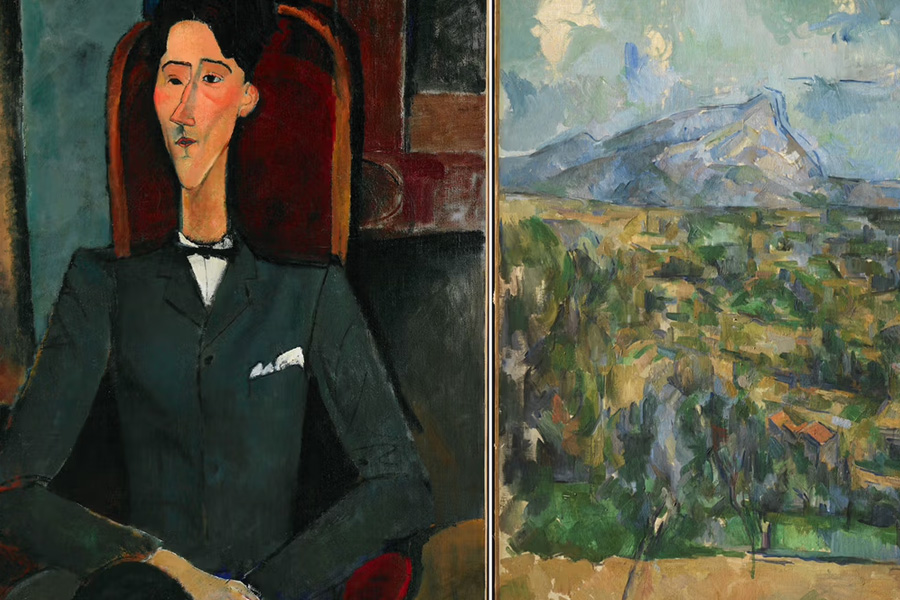
Abstract art continues to define the landscape of modern collecting, representing not merely aesthetic preference but a profound commitment to artistic innovation. Through carefully curated donations and strategic acquisitions, institutions worldwide are recognizing the vital role these works play in cultural preservation and public education.
The Foundation's Vision for Abstract Art
The Pearlman Foundation’s gift represents more than financial contribution; it embodies a philosophical commitment to abstract expression as a cornerstone of contemporary culture. This donation will enable institutions to acquire significant works that might otherwise remain in private collections, forever inaccessible to the public eye.
Abstract art, with its emphasis on color, form, and emotional resonance rather than representational accuracy, speaks to something universally human. The Foundation’s leadership understood this deeply, choosing to support collections that would allow future generations to experience the transformative power of non representational art.
The gift specifically targets works that demonstrate the evolution of abstract expression from its early 20th century origins through contemporary interpretations. This comprehensive approach ensures that visitors can trace the development of abstract art across multiple movements and philosophical approaches.
Modern Collections Embrace Abstract Expression
Today’s museum collections increasingly recognize abstract art as essential to understanding contemporary visual culture. Unlike earlier periods when abstract works were considered challenging or uncommercial, modern curators actively seek pieces that demonstrate the medium’s sophisticated approach to color theory, composition, and emotional communication.
The shift represents a broader cultural movement toward appreciating art that prioritizes experience over representation. Collectors now view abstract pieces not as difficult or inaccessible, but as deeply personal encounters with pure artistic expression.
Major institutions report that abstract art exhibitions consistently draw diverse audiences, from seasoned collectors to first time museum visitors. This broad appeal stems from the medium’s ability to communicate across cultural and linguistic boundaries through visual language alone.
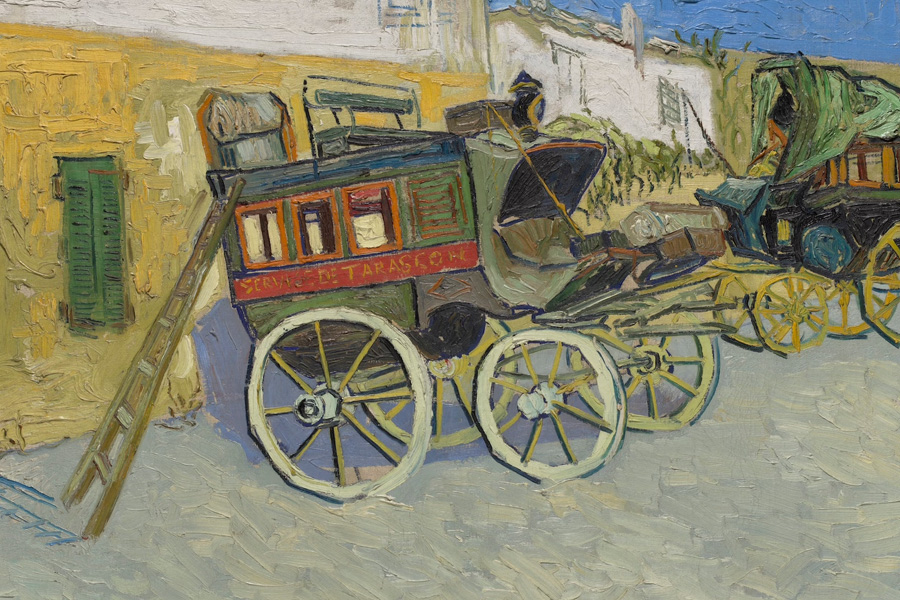
Contemporary abstract artists continue pushing boundaries established by pioneers like Kandinsky, Pollock, and Rothko. Their works incorporate new materials, technologies, and conceptual frameworks while maintaining the fundamental abstract principle of prioritizing form and color over literal representation.
The Growing Appeal Among Private Collectors
Private collectors increasingly gravitate toward abstract art for its investment potential and personal satisfaction. Unlike representational works that might limit display options or appeal to narrow tastes, abstract pieces complement diverse interior design approaches while maintaining their artistic integrity.
The collecting community has observed significant appreciation in abstract art values over the past decade. This growth reflects both increased market sophistication and broader cultural acceptance of non representational artistic expression.
Collectors appreciate abstract art’s ability to evolve with the viewer’s experience. Unlike narrative paintings that tell specific stories, abstract works invite personal interpretation and emotional response, creating lasting relationships between artwork and owner.
The international nature of abstract art collecting creates a global marketplace where works by emerging artists can achieve recognition alongside established masters. This dynamic environment offers collectors opportunities to discover new voices while building collections with both cultural significance and financial value.
Educational Impact of Abstract Art Collections
Educational institutions particularly benefit from robust abstract art collections, as these works provide students with direct access to visual problem solving techniques and artistic innovation. Students studying composition, color theory, and artistic expression find abstract works especially valuable for understanding fundamental artistic principles.
The tactile quality of many abstract pieces, with their emphasis on texture, brushwork, and material properties, offers learning opportunities unavailable through reproduction or digital media. Students can observe firsthand how artists manipulate paint, canvas, and other materials to achieve specific visual effects.
Faculty members report that abstract art collections enhance interdisciplinary learning, connecting visual arts with philosophy, psychology, and cultural studies. The non representational nature of these works encourages students to develop critical thinking skills and personal aesthetic judgment.
Research opportunities abound when institutions maintain significant abstract art holdings. Graduate students and faculty can conduct original scholarship on artistic movements, individual artists, and cultural trends reflected in abstract expression.
Cultural Significance and Legacy
Abstract art’s cultural significance extends far beyond aesthetic appreciation, representing humanity’s ongoing exploration of visual communication and emotional expression. The medium’s rejection of literal representation freed artists to explore pure form, color relationships, and psychological content.
The Pearlman Foundation’s gift recognizes this broader cultural importance, ensuring that future generations will have access to works that document pivotal moments in artistic development. These pieces serve as historical documents, recording shifting attitudes toward art’s role in society.
Museums with strong abstract art collections become centers for cultural dialogue, hosting symposiums, lectures, and educational programs that explore the medium’s continued relevance. These activities strengthen community engagement with contemporary artistic practice.
The legacy aspect of abstract art collecting cannot be understated. Collectors who donate significant works to public institutions create lasting contributions to cultural heritage, ensuring that exceptional pieces remain accessible for study and appreciation.
The Future of Abstract Art Collecting
Market trends indicate continued growth in abstract art collecting, driven by both established collectors and emerging demographics discovering the medium’s appeal. Digital platforms have made abstract art more accessible to global audiences, expanding the collector base beyond traditional geographic and economic boundaries.
Young collectors particularly embrace abstract art for its versatility and emotional directness. This demographic values art that fits contemporary lifestyle preferences while maintaining investment potential and cultural significance.
The rise of abstract art in commercial spaces reflects broader acceptance of non representational work in professional environments. Businesses increasingly choose abstract pieces for offices and public spaces, recognizing their ability to create sophisticated atmospheres without controversial content.
Technology continues influencing abstract art creation and collection, with digital tools enabling new forms of expression while traditional media maintain their fundamental appeal. This hybrid approach ensures abstract art’s continued evolution and relevance.
Conclusion: A Lasting Impact
The Pearlman Foundation’s transformative gift represents more than institutional support; it affirms abstract art’s enduring value as a vehicle for human expression and cultural dialogue. Through strategic collection building and public access, this donation ensures that abstract expression will continue inspiring future generations of artists, collectors, and art enthusiasts.
Abstract art’s journey from avant garde experiment to essential cultural component reflects broader changes in how society understands and values artistic expression. As collections grow and evolve, they create opportunities for new discoveries and deeper appreciation of this remarkable artistic medium.
The foundation’s vision extends beyond immediate impact, creating sustainable support for abstract art collection and education. This forward thinking approach guarantees that abstract expression will remain accessible to diverse audiences, fostering continued dialogue between artist and viewer across time and cultural boundaries.
Through gifts like the Pearlman Foundation’s, abstract art collections will continue serving as bridges between artistic innovation and public understanding, ensuring that the transformative power of non representational art reaches ever wider audiences seeking authentic aesthetic experiences.
Share Now
LATEST



POPULAR