

Doha’s Cultural Ascent: Art Basel Qatar and the Strategic Rise of a New Art Capital
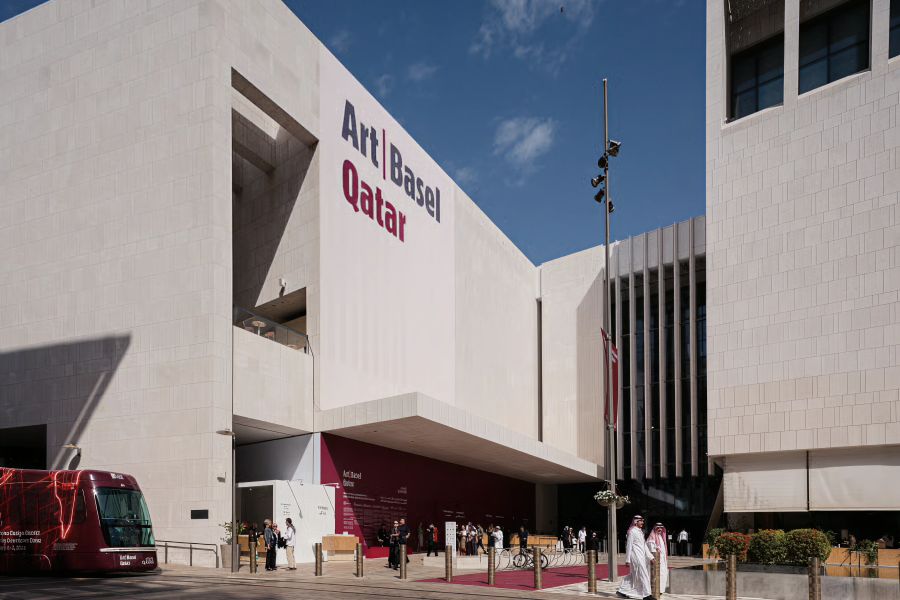
The global art world has shifted its gaze eastward. With the launch of Art Basel Qatar in Doha, the Middle East has entered a new chapter in cultural influence and capital deployment. For the One Percent, this is not merely the opening of another art fair. It is the emergence of a strategic art hub designed with long term ambition, institutional depth, and financial gravity.
A New Axis of Power in the Global Art Market
Art Basel’s decision to plant its Middle Eastern flag in Doha signals more than geographic expansion. It represents recognition of sustained cultural investment by Qatar over decades. The inaugural edition gathered more than 85 international galleries and attracted approximately 17,000 visitors, an impressive debut for a new market entrant.
For Ultra High Net Worth Individuals, location matters. According to the latest global wealth data, there are now more than 430,000 UHNWIs worldwide, each with a net worth exceeding 30 million dollars. A growing share of this population is based in the Gulf region. The Middle East has one of the fastest expanding concentrations of ultra wealthy families, supported by sovereign wealth funds, family offices, and cross border investment structures.
As global art sales have softened by approximately 12 percent in recent reporting cycles, new geographies such as Doha are becoming increasingly important. Markets with fresh liquidity, strong institutional backing, and sovereign commitment to cultural infrastructure provide resilience that traditional Western centers currently lack.
State Infrastructure Meets Private Capital
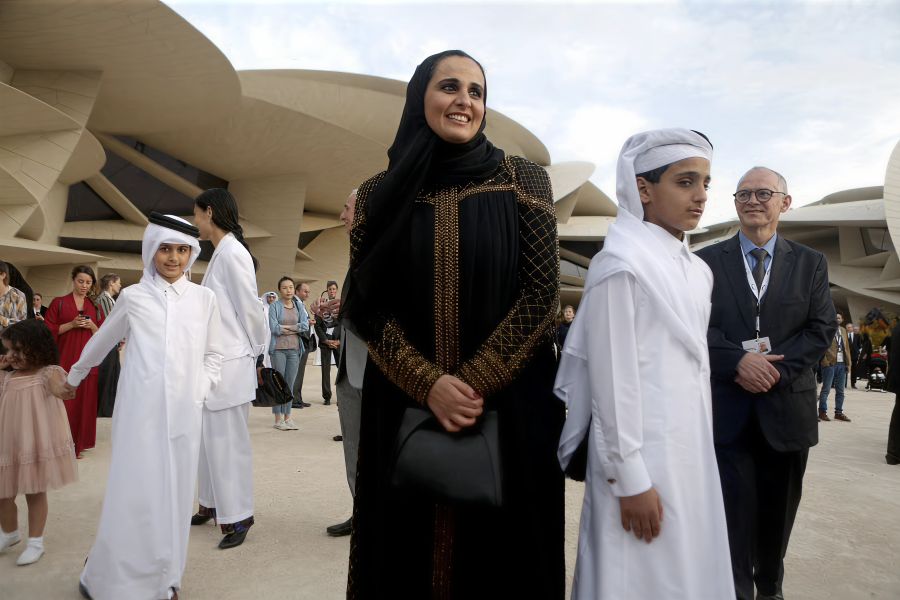
Unlike organic art ecosystems that evolved over centuries, Doha’s strategy is deliberate and state driven. Qatar Museums has built a cultural portfolio that includes the Jean Nouvel designed National Museum of Qatar and the I M Pei designed Museum of Islamic Art. These institutions rival the Louvre Abu Dhabi and the forthcoming Guggenheim Abu Dhabi in scale and ambition.
The Qatari royal family has long ranked among the world’s most influential art buyers. Their reported acquisition of Cézanne’s The Card Players for approximately 250 million dollars in 2011 reset market benchmarks and signaled that the Gulf was prepared to compete at the very top tier.
For the One Percent, this level of institutional infrastructure reduces perceived risk. Art fairs do not thrive in isolation. They require museum ecosystems, acquisition budgets, collectors, and educational platforms. Doha now offers all four.
Sales Performance and Strategic Positioning
While sales at Art Basel Qatar were measured compared to Basel or Hong Kong, works in the six figure range moved steadily. White Cube reportedly placed eight Georg Baselitz bronzes at approximately 800,000 euros each. Regional galleries saw strong demand for artists engaging with Middle Eastern narratives.
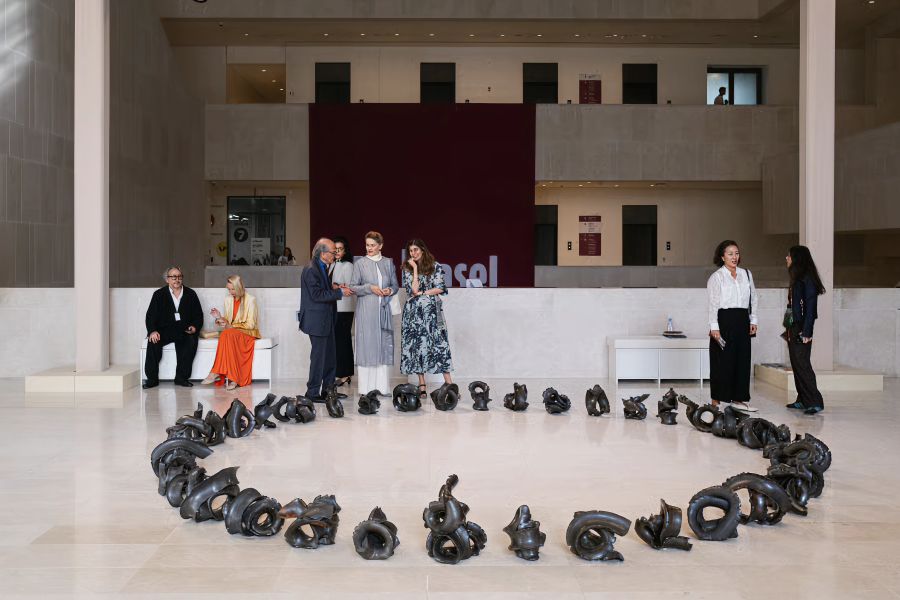
More importantly, the fair adopted a boothless format under artistic director Wael Shawky, creating a more curated and democratic presentation. For seasoned collectors, this model signals intellectual seriousness rather than commercial spectacle.
There were market whispers about acquisition guarantees and institutional support. Official statements rejected formal subsidy structures, emphasizing long term strategic partnership instead. Whether organic or encouraged, the presence of institutional buying power in Doha adds confidence to international participants.
The Role of Abstract Art in a Shifting Market
Although Art Basel Qatar highlighted a broad range of practices, including politically engaged and regionally resonant works, global trends show that abstract art continues to occupy a stable position within elite collections. According to the Art Basel and UBS Survey of Global Collecting, Ultra High Net Worth Individuals now allocate an average of 20 percent of their wealth to art, rising to 28 percent among those with assets above 50 million dollars.
Younger UHNW collectors show increased interest in diverse mediums beyond traditional painting, yet modern and contemporary categories remain dominant. Within that spectrum, abstract art maintains long term appeal because it transcends language, politics, and geography. In emerging hubs like Doha, abstraction can operate as a neutral yet sophisticated visual language that resonates across cultures.
From Periphery to Center
For decades, Western capitals dictated artistic legitimacy. Today, the center is shifting. Doha is positioning itself as a cultural bridge between Europe, Asia, and Africa. Art Basel leadership frames Hong Kong and Doha not as competitors but as complementary anchors in a new global axis.
The Gulf Cooperation Council luxury market is projected to grow significantly over the next decade, reinforcing the economic foundation beneath cultural expansion. As wealth diversifies away from oil and into technology, private equity, and global finance, cultural capital becomes an essential component of geopolitical soft power.
What This Means for the One Percent
For the global elite, art hubs are not simply destinations. They are signals. They reflect where capital is confident, where institutions are strong, and where the next generation of collectors will emerge.
Doha’s ambition is clear. Through museum scale architecture, sovereign backed acquisitions, and now an Art Basel platform, it seeks to redefine the Middle East’s cultural narrative. Whether it becomes the region’s leading art capital will depend on the maturation of its independent ecosystem and sustained international engagement.
For now, one thing is certain. The One Percent is watching closely.
Share Now
LATEST
POPULAR