

The Future of Art as an Asset Class: What the One Percent Are Buying Now
In an era defined by volatility and recalibrated priorities, the art market is undergoing a seismic shift.
While masterpieces by Picasso or Warhol once stood as undisputed emblems of wealth and sophistication, today’s top-tier collectors are reconsidering their portfolios. Among the world’s most affluent — the one percent — taste, utility, and financial sensibility are converging in a way the traditional art world can no longer ignore.
Continuity Without Growth: A Cautionary Tale
Christie’s and Sotheby’s, the twin pillars of the auction world, reported relatively flat sales figures for the first half of 2025 — around $2.1 and $2.2 billion respectively. While that might seem robust, context reveals the undercurrent: modern and contemporary art sales dipped by 2 percent, and more than half of the lots analyzed by the Mei Moses Art Index generated negative compound returns.
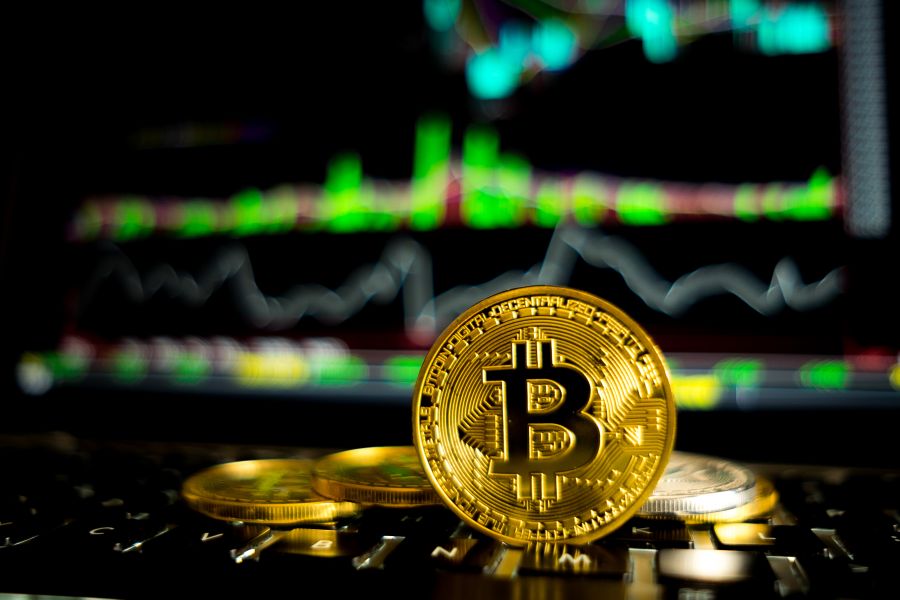
According to UBS’s 2025 Global Wealth Report, the number of Ultra High Net Worth Individuals (UHNWIs) has grown by over 7 percent year-over-year, now surpassing 430,000 worldwide. However, these individuals are increasingly directing their capital toward more liquid, high-yield investments: private equity, AI, luxury real estate, and digital assets like Bitcoin. The BlackRock Bitcoin ETF alone has absorbed over $84 billion in assets under management — over $25 billion more than the total estimated global art market sales last year.
The Rise of New Priorities: Trophy Assets with Tangible Upside
In this climate, art remains a compelling investment for some — but with a sharpened lens. Today’s buyers are pursuing unique, storied pieces that offer both cultural cachet and long-term value. Take, for example, the Canaletto that sold for $43.9 million just days after Jeff Bezos’s $50 million wedding in Venice. Or the fossilized Ceratosaurus skeleton that fetched $30.5 million at Sotheby’s. These are not purchases for status alone; they are symbols of narrative ownership, of legacy, and sometimes, future museum placement.
What has clearly faded is speculative buying. The era of flipping emerging artists for quick gains has dimmed. Seasoned collectors are shifting away from “zombie” art created for fairs and instead seeking works imbued with intellectual depth, often gravitating toward pieces that challenge, question, or transform — values loosely associated with movements like abstract art, which continues to resonate, albeit subtly, among refined collectors.
Art as a Social Currency, Not Just an Asset
Marc Spiegler, former Global Director of Art Basel, recently suggested the art market should pivot toward selling culture, access, and identity rather than investments. In his words, art is becoming “sapiosexy” — a reflection of intellectual status for a generation of high-IQ elites who collect not for profit, but for passion, prestige, and narrative.
This aligns with emerging collector behavior across younger UHNWIs. Data from Art Basel and UBS’s 2025 Global Collecting Survey shows that 59 percent of millennial collectors are motivated by self-expression and cultural storytelling. They’re less focused on resale value, and more on owning pieces that spark dialogue — whether it’s a Rothko, an experimental NFT, or a Lady Dior handbag reimagined by an avant-garde painter.
When Fine Art Fails to Perform Financially
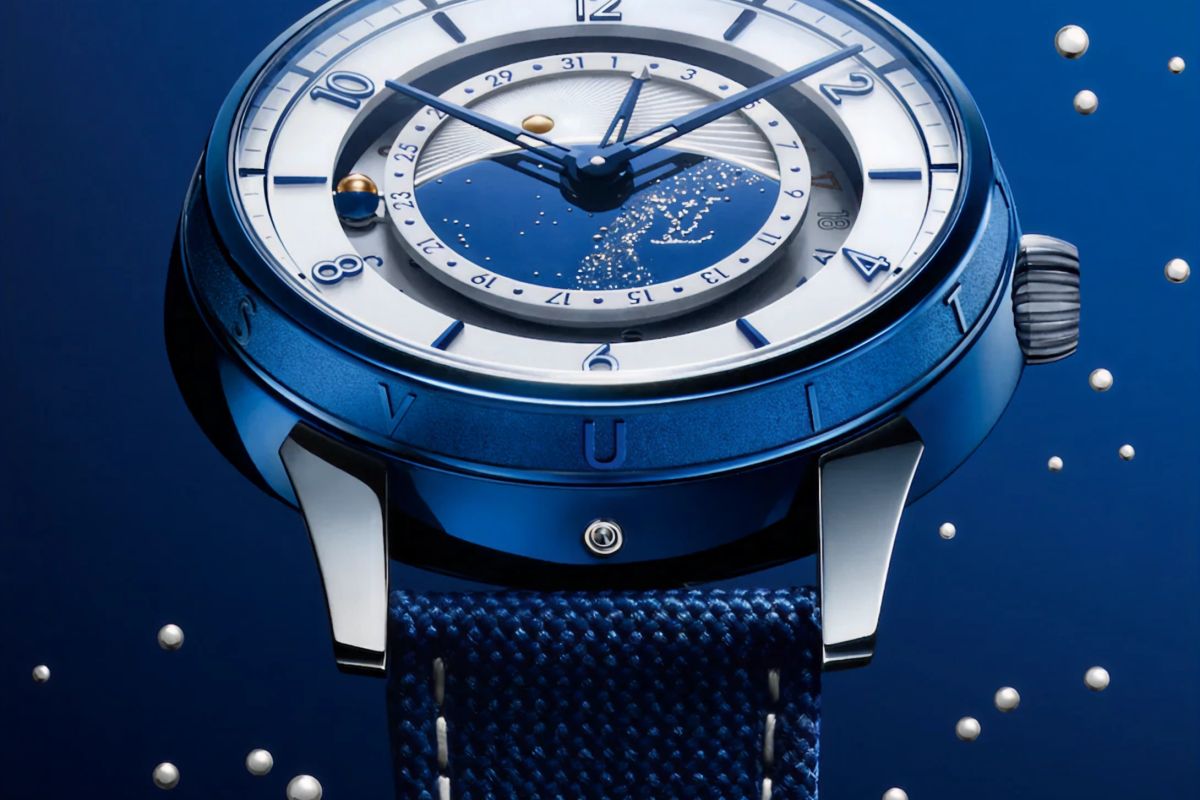
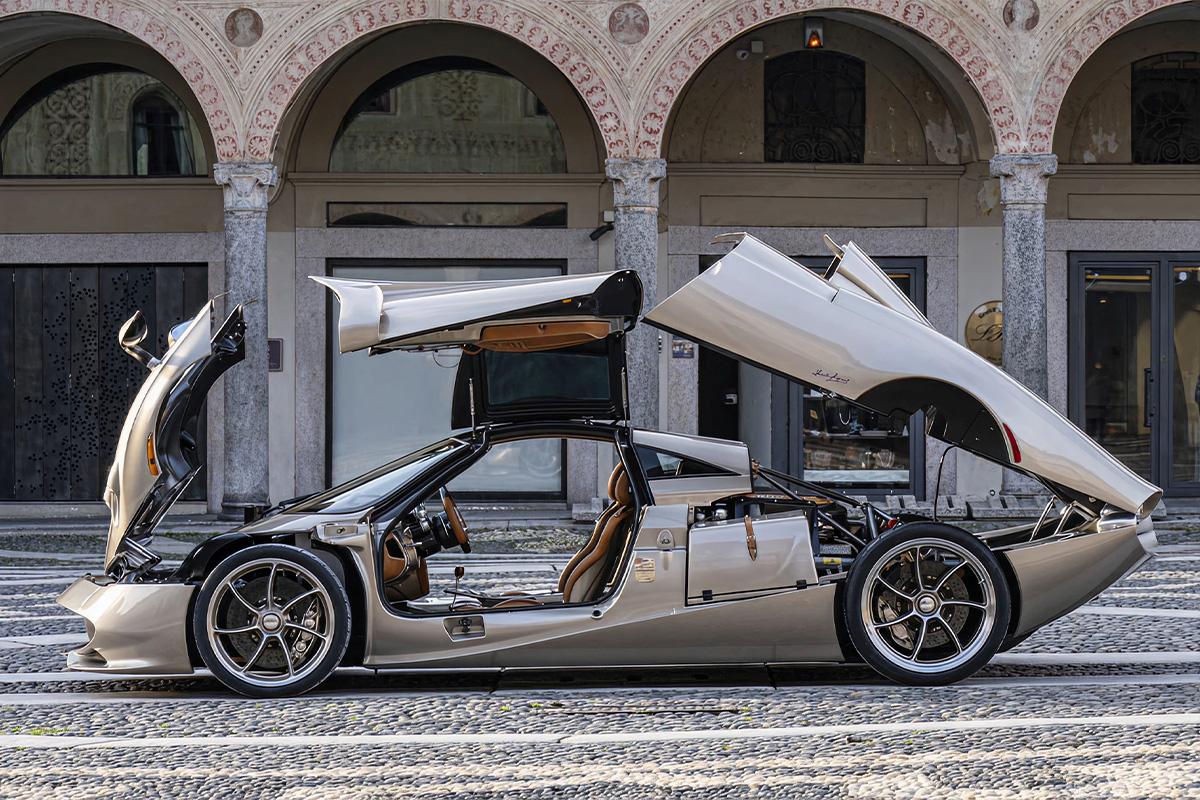
The sobering reality is that even blue-chip art is no longer a guaranteed safe haven. The opacity of pricing, lack of liquidity, and costly transaction fees make it less appealing compared to fast-rising sectors like crypto and tech stocks. High-net-worth individuals are approaching the market with surgical precision — bypassing public auctions in favor of discreet private sales, or investing in niche verticals like collectible cars, haute horology, and design objects with storied provenance.
The traditional art fair model, too, is losing ground. While events like Art Basel still draw social capital and jet-set clientele, actual sales often occur pre-fair, through exclusive previews and VIP outreach. The fair floor has, for many, become a stage — not a marketplace.
A Sustainable Future for the Discerning Collector
What lies ahead for the one percent is not the death of the art market, but a return to discernment. As generational wealth transfers continue — with over $84 trillion expected to change hands globally by 2045 — younger collectors will redefine what it means to own, display, and live with art.
The real opportunity lies in pieces that cannot be replicated or resold en masse. Whether it’s a 19th-century canvas, an immersive digital installation, or even a couture accessory reimagined as a canvas, art’s future will rest in the hands of those who value soul over speculation.
And in this quieter, more thoughtful space, even the language of abstract art — once a niche of intellectuals and revolutionaries — finds new life as a soft echo of individuality in the homes, yachts, and private galleries of the world’s wealthiest.
Share Now
LATEST


POPULAR