

Gerhard Richter at Fondation Louis Vuitton: A Monumental Meditation in Abstract Art
From October 17, 2025, to March 2, 2026, the Fondation Louis Vuitton opens its doors to one of the most anticipated cultural events of the decade: a grand retrospective of Gerhard Richter, the elusive master of modern and abstract art. With 270 works spanning six decades, this exhibition is more than a tribute — it is a portal into the psyche of one of the most influential painters of the 20th and 21st centuries.
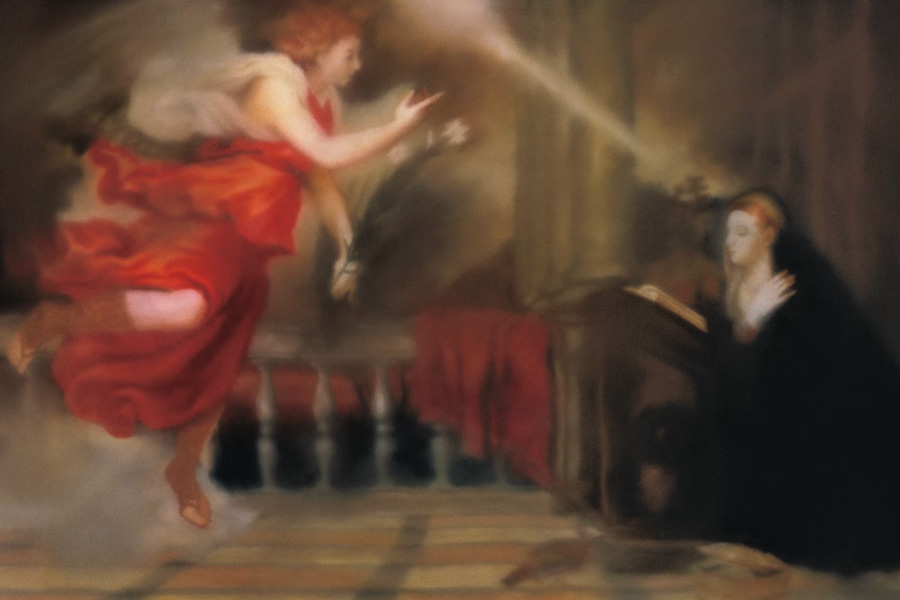
Curated across every gallery of the Fondation, this immersive experience offers a chronological exploration of Richter’s restless creativity from his early photo-based paintings to the haunting Cage series, the emotionally charged Birkenau cycle, and his final, commanding abstractions.
For the 1%, this is not just a museum visit. It is a collector’s pilgrimage.
Abstract Art Reimagined for a New Class of Collectors
The rise of abstract art among Ultra High Net Worth Individuals reflects a larger cultural shift. According to the 2025 Art Basel and UBS Art Market Report, over 53 percent of UHNWIs prefer collecting works that evoke personal narratives or emotional resonance. And nearly 38 percent view art as a form of legacy, passing down meaning rather than just monetary value.
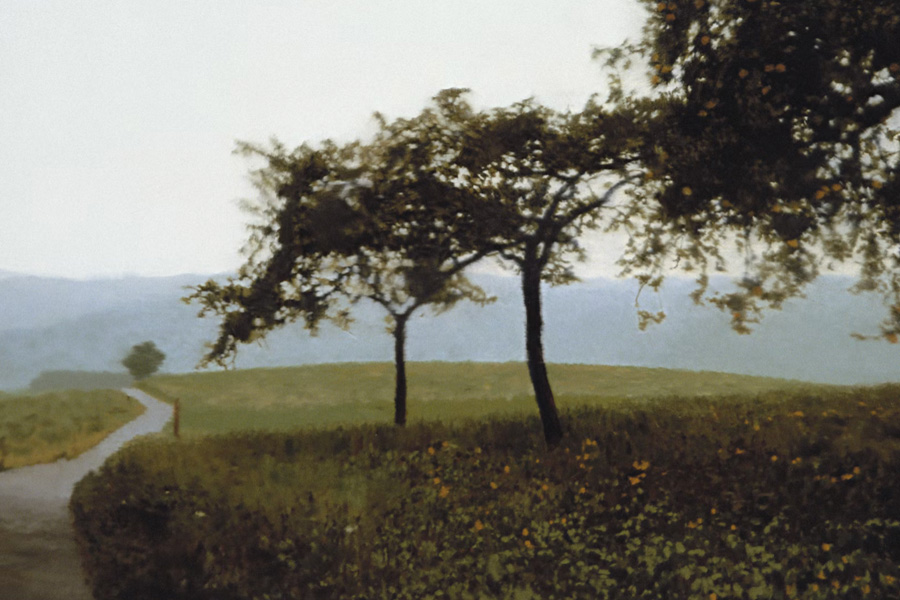
Richter’s oeuvre, particularly his abstract works, fits this demand for emotional investment and intellectual complexity. His paintings do not just hang — they haunt, provoke, and linger. They are mirrors, not statements.
Six Decades of Artistic Revolt and Reflection
Born in Dresden in 1932, Gerhard Richter fled East Germany in 1961 for the West. That rupture defined much of his artistic tension — a negotiation between precision and blur, memory and erasure. He never adhered to a single style or movement. Instead, he challenged the very notion of categorization, building a language entirely his own.
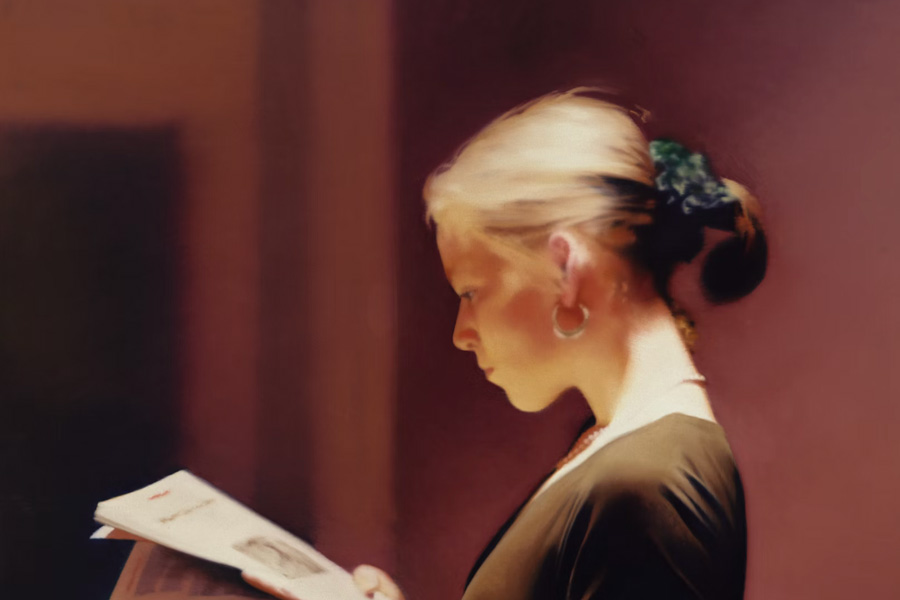
This retrospective at the Fondation Louis Vuitton — following exhibitions dedicated to Rothko, Basquiat, and Joan Mitchell — becomes Richter’s most complete presentation to date, featuring:
- Early figurative paintings reinterpreting family trauma and post-war Germany
- The 48 Portraits from the Venice Biennale, exploring representation and identity
- His minimalist abstract art using brush, palette knife, and squeegee
- The meditative Cage series, inspired by composer John Cage
- Digitally generated Strip paintings and haunting glass installations
- Final masterworks like Birkenau, which blend abstraction with historical memory
Each gallery reflects not just an evolution of style, but a philosophical rupture — a painter who abandons technique just as he perfects it.
The New Language of Luxury: Emotional Ownership
For today’s UHNWIs, particularly the next generation of collectors in Europe, the Middle East, and Asia, abstract art offers something that traditional categories cannot: space. Space to feel, to interpret, to project. Richter’s canvases, particularly the large-scale abstractions, are less about image and more about experience.
According to Wealth-X, there are now over 392,000 UHNWIs globally, and a growing portion are under 50. These collectors are curating personal museums, commissioning immersive installations, and seeking works that reflect not social status, but soul status.
Richter’s works — enigmatic, layered, emotionally charged — have become essential acquisitions in these collections. The Fondation Louis Vuitton’s retrospective gives these collectors an opportunity not only to witness the evolution of abstract art, but to anchor their collections in a moment of global cultural significance.
A Collector's Destination Worth the Journey
Located in the heart of Paris’s Bois de Boulogne, the Fondation Louis Vuitton itself is a marvel of contemporary architecture — a fitting vessel for Richter’s legacy. For UHNWIs seeking inspiration for their private collections, or simply a contemplative interlude, the exhibition offers an unmatched environment to engage deeply with the artist’s vision.
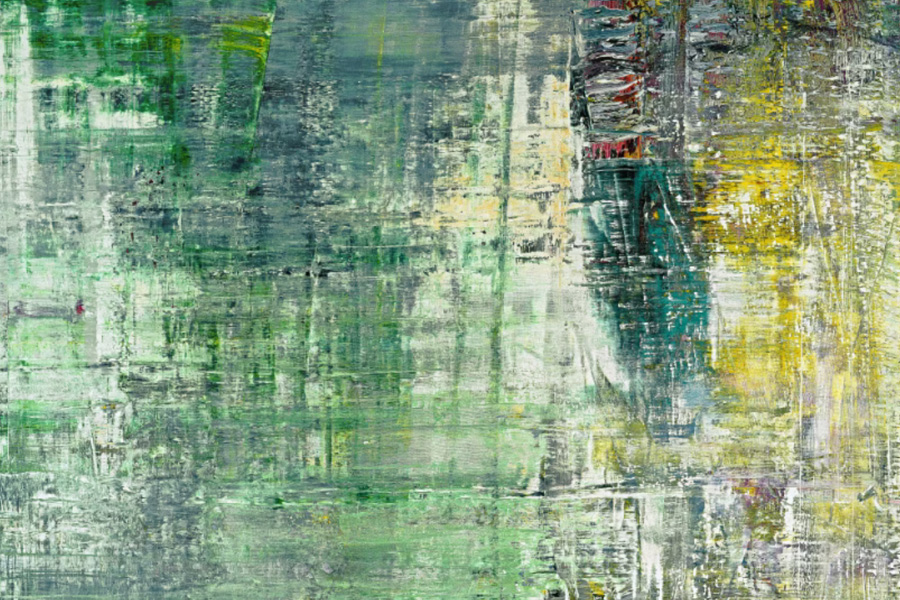
Tickets may cost only 32 euros, but the true value lies in what cannot be priced: the ability to encounter abstraction that feels both intensely private and universally resonant.
Abstract Art Is No Longer an Option — It Is a Necessity
In a world increasingly filtered through algorithms and screens, the quiet authority of Richter’s abstract canvases speaks volumes. His work invites the viewer to slow down, reflect, and engage with ambiguity. For the 1%, it is not about decoration — it is about depth.
This retrospective is not just an art event. It is a moment in cultural history. And for those who collect with emotion and intention, it may be the most important exhibition of the decade.
Share Now
LATEST

POPULAR