The Unseen Network: How Luxury Art Logistics Serves the Global Elite
In the exclusive realm of high-value art collecting, privacy is paramount. While major auction sales capture headlines, a less visible but equally critical industry thrives in the background: luxury art logistics.
As Ultra High Net Worth Individuals (UHNWIs) expand their collections across the globe, the need for sophisticated transport and secure storage has cultivated a specialized, high-demand market.
This sector is poised for substantial growth, fueled by advancements in custom handling, digital tracking, and ultra-secure, climate-controlled storage facilities. Industry leaders are setting new standards for moving and protecting priceless works for private collectors, prestigious galleries, and leading auction houses.
A Bespoke Market for the Ultra-Wealthy
The expansion of art logistics is directly linked to the expectations of the world’s wealthiest individuals. With a growing number of UHNWIs worldwide, the demand for collectible assets—from fine art and rare watches to vintage wine—has become more global and technologically advanced.
In response, the logistics industry offers more than just transportation. It provides a suite of concierge services, including international customs management, professional on-site installation, and insured transit. For this elite clientele, the journey of a masterpiece is as significant as its acquisition. Owning a valuable piece involves meticulous control over its movement, storage, and handling.
From High-Tech Vaults to Digital Oversight: The Evolution of Art Handling
The most in-demand services in luxury art logistics include:
Secure storage vaults in key cultural hubs like Geneva, New York, and Singapore.
Custom-built crating and expert installation for unique and fragile items.
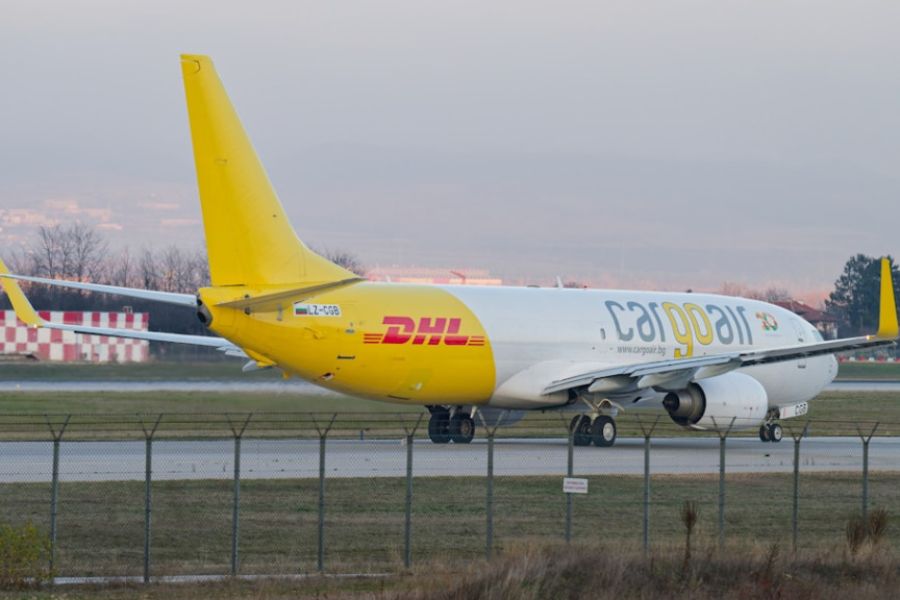
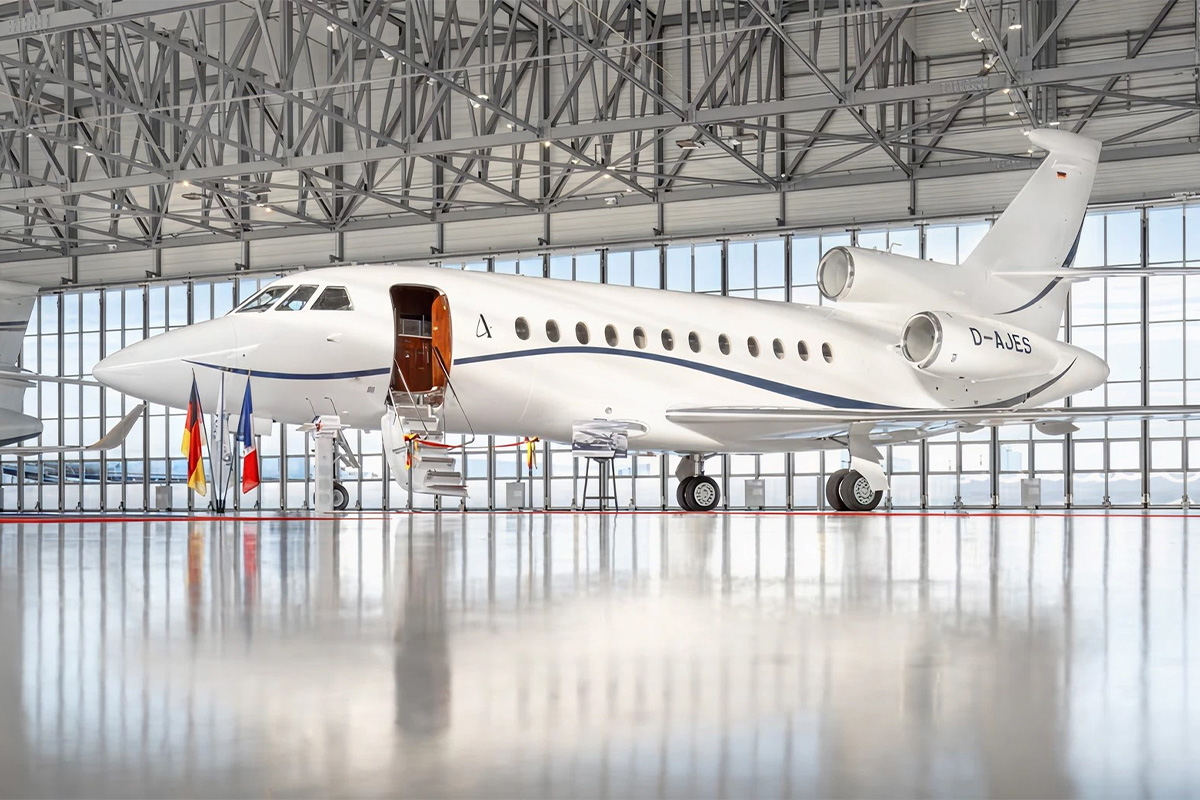
Specialized, climate-controlled air freight designed for delicate materials.
Digital monitoring and advanced inventory systems that allow collectors to manage their assets remotely.
These services are no longer exclusive to museums and institutions. Private collectors, many of whom are investing heavily in categories like abstract art, now require the same level of precision for their personal holdings, whether they are displayed in private galleries or luxury homes.
Abstract Art, Legacy, and Logistical Precision
The growing presence of abstract art within UHNWI collections adds another layer of complexity. Large-scale installations, works with complex textures, and delicate modern sculptures demand highly specialized handling strategies. These pieces often become defining elements of contemporary private estates.
Market trends indicate that younger, wealthy collectors are increasingly supporting living artists and acquiring contemporary and abstract works. This shift aligns with recent reports on art buying behavior, which point to a preference for private sales and digital management over public exhibitions.
What This Means for the One Percent
For the global elite, art serves multiple purposes: it is a form of cultural expression, a portable asset, and an instrument for building a legacy. As tastes evolve and the experience of ownership gains importance, the role of luxury art logistics becomes even more integral.
Whether moving a masterpiece to a private residence or securing a new commission for a luxury property, the logistics partner acts as a silent but essential contributor to the art ownership experience. For the 1%, every detail is crucial. In a world where even the movement of an object tells a story, logistics is not just a service—it has become part of the art itself.