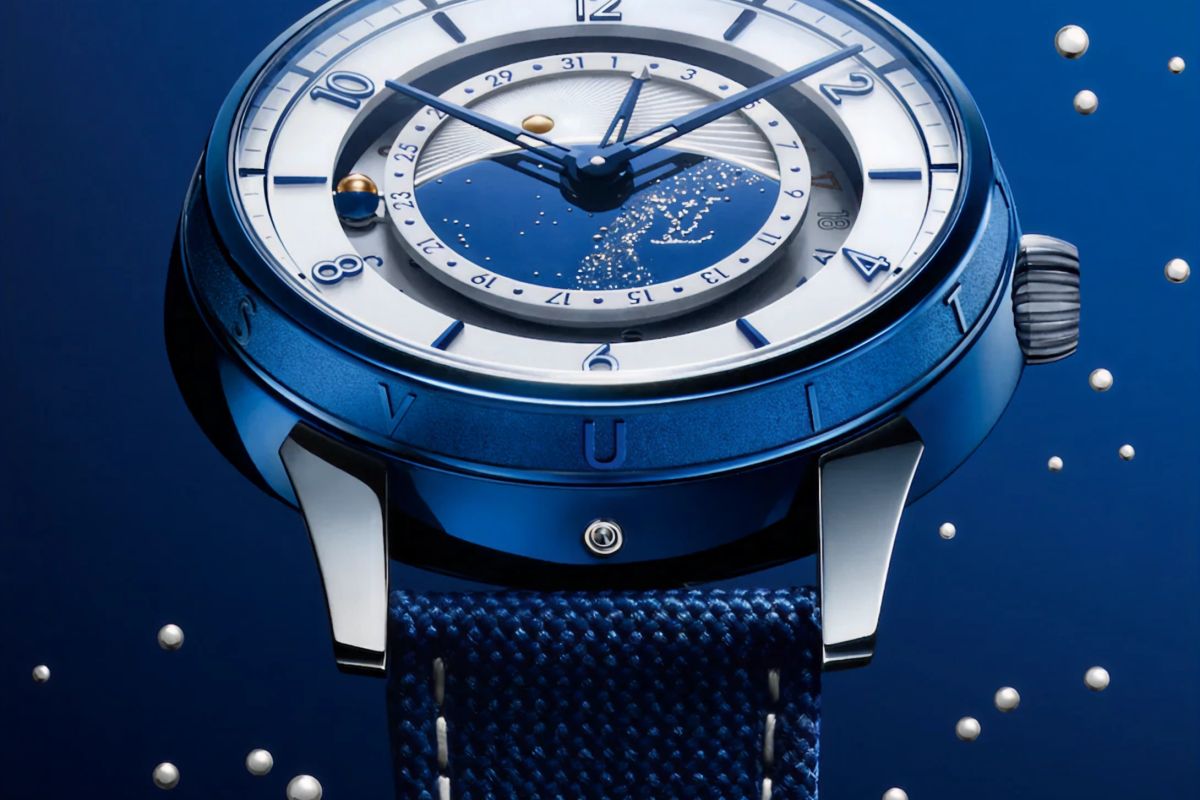


Audemars Piguet Names Patrick Ottomani CEO of North America: A Strategic Move in the Evolving World of Luxury Watches
In a move that signals both ambition and reinvention, Audemars Piguet—one of the most coveted names in luxury watches—has appointed Patrick Ottomani as its new Chief Executive Officer for North America.
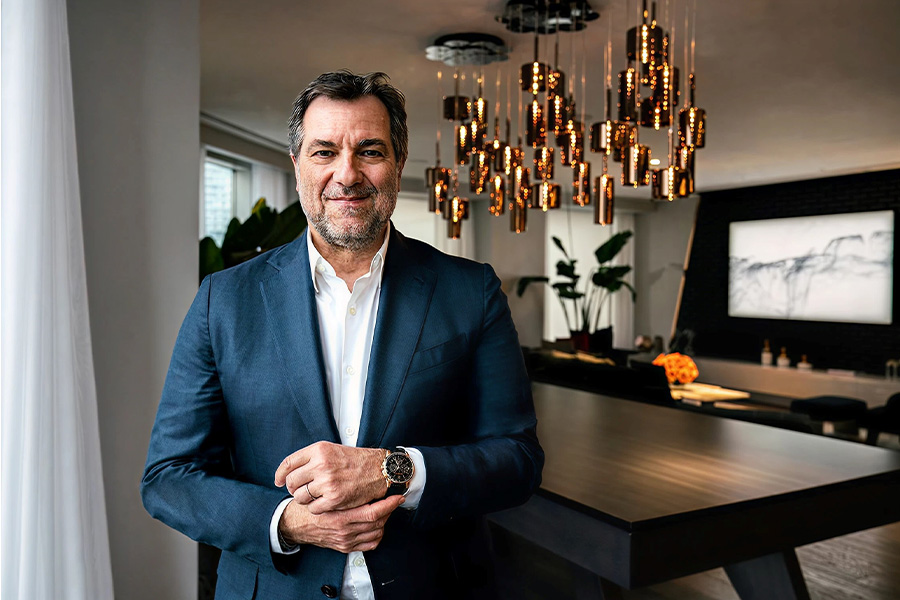
The announcement comes at a pivotal time for the Swiss watchmaker as it seeks to deepen its connection with the American market and expand its appeal beyond seasoned collectors to a broader audience of cultural tastemakers, luxury connoisseurs, and the global 1%.
A New Chapter Begins: From Berluti to the World of Haute Horlogerie
Ottomani arrives with a pedigree rooted not in timepieces, but in luxury craftsmanship. A former CEO of Berluti, the revered Parisian shoemaker under LVMH, he brings with him a deep understanding of exclusivity, heritage, and client service—cornerstones of the modern luxury experience. During his time at Berluti, he was instrumental in launching and growing the brand in the United States, a market now poised for further expansion under his leadership at Audemars Piguet.
While Ottomani may be new to the world of watches, his proximity to the luxury verticals within the LVMH ecosystem—home to brands like Hublot, TAG Heuer, and Zenith—has likely prepared him for the nuances of the horological elite.
A Strategic Focus on the US Market and the New Luxury Consumer
The United States remains the largest export market for Swiss watches, accounting for 15 percent of global sales in 2024 according to the Federation of the Swiss Watch Industry. However, shifts in taste, generational preferences, and global economic patterns are pushing legacy watchmakers to rethink their approach.
In this context, Ottomani’s appointment is not simply a leadership change—it’s a declaration of intent. The brand is placing increased emphasis on emotional resonance, cultural currency, and retail experience to remain relevant in an age where discretionary spending among UHNWIs is shifting from traditional status symbols to value-driven, experiential acquisitions.
According to the BCG x Altagamma 2025 True Luxury Report, 44 percent of Ultra High Net Worth Individuals (UHNWIs) now make purchase decisions based on personal meaning and narrative, not just prestige. Audemars Piguet’s bold move to appoint a non-watch executive reflects a deeper understanding of this trend.
The Royal Oak: A Design That Defined Generations
Under the stewardship of outgoing CEO Antonio Seward, Audemars Piguet has already made significant inroads with American clients, many of whom are drawn to the brand’s Royal Oak and Royal Oak Offshore collections—timepieces that have become modern icons. The Royal Oak in particular, introduced in 1972, has transcended the status of collector’s piece to become a cultural symbol worn by luminaries including Jay-Z, LeBron James, Tom Cruise, and Patrick Dempsey.
With Ottomani at the helm, the brand is expected to further blend its artisanal heritage with the storytelling and lifestyle-led strategy that defines modern luxury. In a market saturated with product, what distinguishes luxury watches today is emotional connectivity and cultural relevance—two areas Ottomani has long mastered.
Family-Owned Resilience in a Conglomerate-Dominated Industry
Audemars Piguet remains one of the last family-owned Swiss watch manufacturers, a fact that sets it apart in an industry dominated by conglomerates such as LVMH, Richemont, and Swatch Group. For UHNW clients who value legacy, heritage, and discretion, this autonomy signals rarity—and with it, value.
As Knight Frank’s Wealth Report 2025 notes, 43 percent of UHNWI luxury buyers consider “family ownership and heritage” a decisive factor when selecting high-end timepieces. Audemars Piguet’s independence offers a kind of emotional investment that resonates deeply with this elite demographic.
Looking Ahead: The 1% and the Future of Watchmaking
With Patrick Ottomani now based in the brand’s New York headquarters and reporting to Audemars Piguet’s Chief Commercial Officer Yves Meylan in Le Brassus, his mandate is clear: to elevate the maison’s presence among American collectors, tastemakers, and UHNW clientele.
Luxury watches are no longer just assets—they are personal statements. In a market expected to grow to $135 billion by 2030, the winning brands will be those that balance heritage with modernity, technical mastery with human emotion. Audemars Piguet’s latest appointment places it squarely at the heart of this transformation.
For the 1%, a timepiece is not merely what you wear. It is how you see time.
Share Now
LATEST



POPULAR