

Chanel's Acquisition of Charvet Signals a New Era for Luxury Fashion Brands and the Art of Craftsmanship
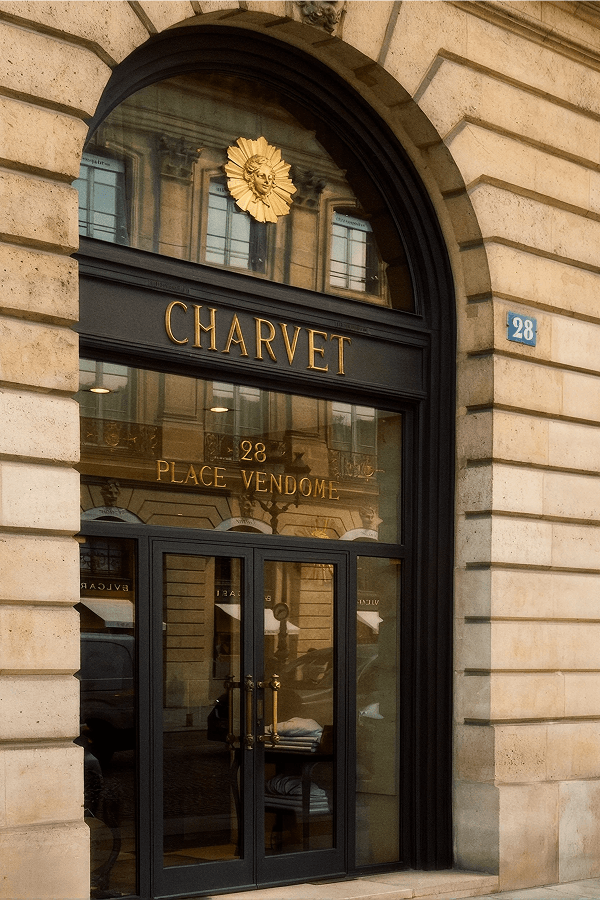
It is a commitment to preserving artisanal excellence while reinforcing the cultural foundations that define modern luxury.
For the 1%, this acquisition reflects an important shift across the luxury industry. The greatest value increasingly lies in heritage, savoir faire, and the preservation of rare skills that cannot be replicated.
Craftsmanship as the Ultimate Luxury Asset
Founded nearly two centuries ago, Charvet has become synonymous with bespoke shirting, refined tailoring, and meticulous craftsmanship. Every creation continues to be produced in its historic workshop in Saint Gaultier, where skilled artisans maintain techniques that have been passed down through generations.
By bringing Charvet into its portfolio, Chanel reinforces one of the defining principles of Luxury Fashion Brands: investing in craftsmanship ensures the long term preservation of excellence.
For Ultra High Net Worth Individuals, craftsmanship represents authenticity, rarity, and enduring value. Bespoke garments created through traditional methods carry significance far beyond fashion, becoming expressions of personal identity and cultural heritage.
Preserving Independent Excellence
Chanel has confirmed that Charvet will retain its creative independence, continuing the maison’s long established approach of supporting specialist ateliers while allowing them to preserve their unique identity.
This philosophy has become increasingly important within the luxury sector. Rather than standardizing heritage houses, leading Luxury Fashion Brands are creating ecosystems where exceptional artisans continue to flourish under long term stewardship.
For the 1%, preserving authenticity is essential. The most desirable luxury houses remain those that protect their traditions while continuing to evolve through thoughtful innovation.
A Shared History Rooted in Parisian Elegance
The relationship between Chanel and Charvet extends beyond business.
Charvet counted Gabrielle Chanel among its distinguished clientele, while Boy Capel, one of the most influential figures in Chanel’s early history, regularly wore the house’s bespoke shirts. The elegance of masculine tailoring became one of Gabrielle Chanel’s defining inspirations, helping shape the iconic aesthetic that continues to influence fashion today.
This historical connection transforms the acquisition into the continuation of a shared legacy rather than the beginning of a new chapter.
Luxury Fashion Brands increasingly recognize the importance of preserving authentic stories that strengthen emotional connections with clients across generations.
The Rising Value of Heritage
The global luxury industry continues to expand, with Bain and Altagamma forecasting that the luxury fashion market will approach 341 billion dollars over the coming decade.
At the same time, more than 300 million additional consumers are expected to enter the luxury market within five years, while the number of Ultra High Net Worth Individuals continues to grow worldwide.
Despite this expansion, the 1% remains the audience that defines the highest standards of craftsmanship, exclusivity, and cultural influence.
Research consistently shows that affluent collectors place exceptional value on heritage brands that preserve artisanal expertise and produce objects designed to endure for generations.
Luxury Fashion Brands Invest in the Future by Protecting the Past
Across the luxury industry, leading maisons continue to strengthen their supply chains by investing directly in specialist workshops, textile manufacturers, embroidery houses, leather artisans, and traditional crafts.
This strategy ensures quality while protecting knowledge that forms the foundation of luxury itself.
For Ultra High Net Worth Individuals, these investments reinforce confidence that exceptional craftsmanship will remain available for future generations.
Luxury Fashion Brands increasingly understand that true innovation begins with protecting the traditions that made them iconic.
Bespoke Luxury Continues to Define the 1%
Personalization remains one of the strongest drivers of luxury consumption.
Bespoke tailoring, made to measure garments, handcrafted accessories, and private appointments continue to represent the highest expression of luxury for affluent clients.
Charvet has built its reputation by creating precisely these experiences.
Its acquisition strengthens Chanel’s ability to engage clients who seek refinement, discretion, and timeless elegance rather than seasonal consumption.
For the 1%, luxury is measured through quality, individuality, and lasting relationships with exceptional maisons.
The Future of Luxury Fashion Brands
Chanel’s acquisition of Charvet reflects a broader evolution taking place across the luxury sector.
Luxury Fashion Brands are increasingly investing in heritage, craftsmanship, and specialist expertise to secure long term cultural and creative leadership.
As global wealth continues to expand and Ultra High Net Worth Individuals shape the future of luxury consumption, maisons that preserve artisanal excellence while embracing thoughtful evolution will continue to define the industry’s highest standards.
For the 1%, true luxury is not created overnight. It is cultivated over generations through mastery, patience, and uncompromising attention to detail.
Chanel’s stewardship of Charvet demonstrates that the future of Luxury Fashion Brands will continue to be built upon the enduring value of craftsmanship, heritage, and timeless savoir faire.
Share Now
LATEST
POPULAR
The latest trade data highlights the international influence of the UK's distilling expertise while reinforcing the long term appeal of collectible spirits for The 1%.
Diageo, among the world's most distinguished premium drinks companies, now enters a new chapter under the leadership of CEO Sir Dave Lewis.
The collaboration brings together the storied Maison and independent master watchmaker Denis . . .