

Condé Nast Traveler's 2026 Awards Reveal What the One Percent Values in Luxury Hotels and Travel
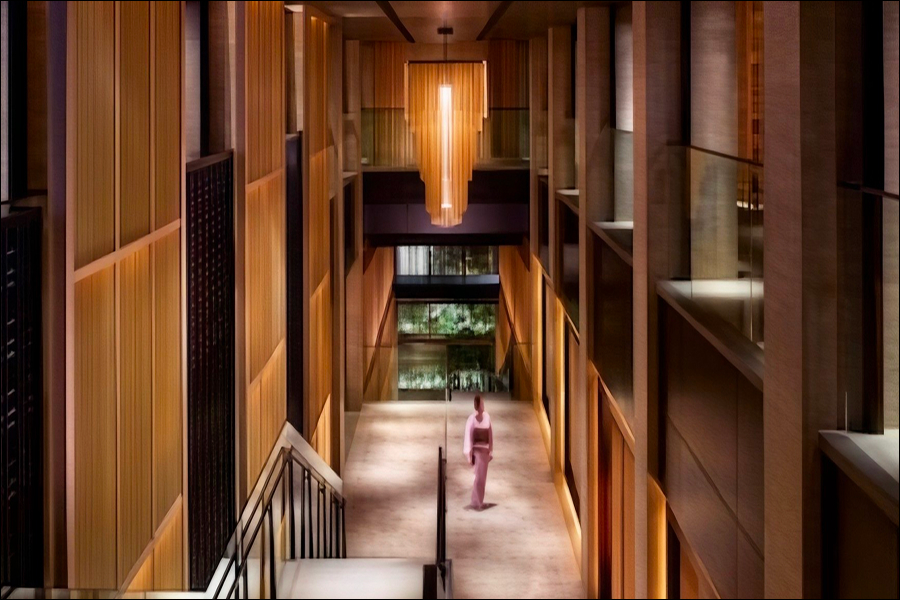
The 2026 Condé Nast Traveler Readers’ Choice Awards offer a revealing view of this shift. In the publication’s 39th annual survey, readers cast 798,867 votes across luxury hotels, resorts, cities, airlines, cruise lines, spas, islands, and other travel categories.
The honorees range from The Ritz-Carlton, Kyoto and Cheval Blanc Seychelles to Qatar Airways and Regent Seven Seas Cruises. Each has built a distinctive relationship with sophisticated international travelers. For the one percent, these names reflect a wider movement in luxury hospitality, one in which service, gastronomy, design, culture, and deeply personal experiences together define the journey.
A Defining Moment for Global Private Wealth
The awards arrive at a significant time for the world’s wealthiest individuals.
According to Altrata, the global population of Ultra High Net Worth Individuals (UHNWIs) reached 556,850 in 2025, with combined wealth of $63.8 trillion. This group represents just 1.1 percent of the world’s millionaires, yet it controls 32 percent of all millionaire wealth.
That concentration gives the one percent remarkable influence across luxury hotels, aviation, yachting, cruising, fine dining, and experiential travel.
Luxury Hotels Remain at the Heart of Global Travel
Luxury hotels hold a special place in the Readers’ Choice Awards. They bring together nearly every element that shapes modern luxury travel.
How Readers Evaluate a Hotel
Condé Nast Traveler readers rate hotels across a wide range of qualities:
- Rooms and location
- Service and concierge
- Gastronomy and activities
- Facilities and design
- Community engagement
- Spa and wellness
The methodology turns these guest ratings into final scores. The result is a broad assessment of the complete hospitality experience.
Beyond the Beautiful Suite
This approach mirrors how the one percent now experiences luxury. A beautiful suite remains essential. Yet the full journey also includes intuitive service, architecture, restaurants, wellness, cultural access, and experiences shaped around personal interests.
The 2026 honorees reflect this diversity. They span Asia, Europe, the Middle East, and the Americas, and include urban landmarks, intimate retreats, and destination resorts.
The Ritz-Carlton, Kyoto: The Art of Japanese Hospitality
The Ritz-Carlton, Kyoto earned a place among the world’s celebrated hotels in the 2026 awards. It continues to draw travelers in search of a refined interpretation of Japanese culture.
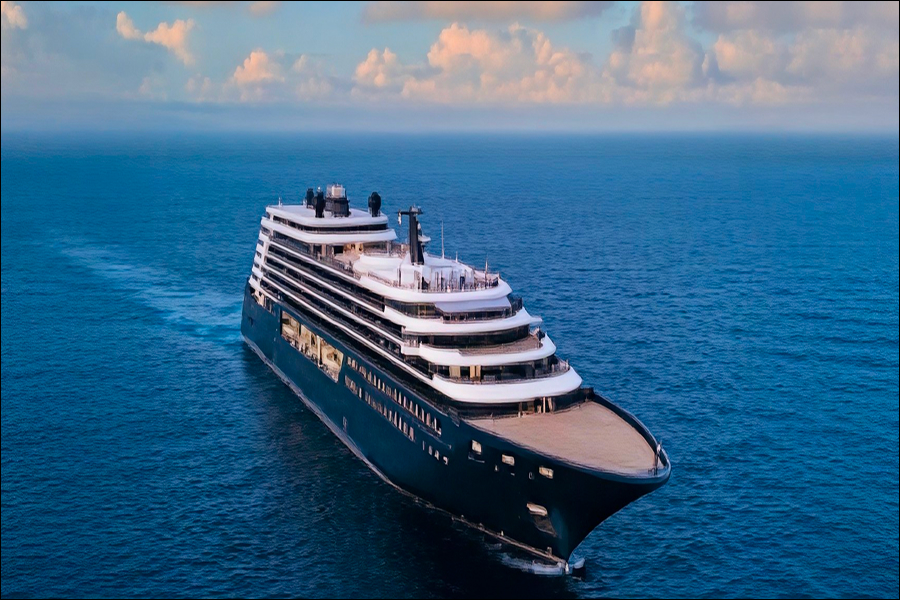
Condé Nast Traveler describes the property as a contemporary expression of Kyoto. It overlooks the Kamogawa River, with easy access to the historic districts of Gion and Teramachi.
A Cultural Gateway
The hotel illustrates an important direction in luxury hospitality. Here, an international brand creates an experience deeply rooted in the cultural identity of its destination.
For UHNW travelers, this offers an intimate connection with place. Japanese aesthetics, cuisine, wellness, craftsmanship, and hospitality become woven into the stay. The hotel becomes a doorway into Kyoto itself.
Asia's Enduring Allure
Asia plays a prominent role throughout this year’s awards. Condé Nast Traveler highlighted the lasting appeal of Japan and the wider region, pointing to traditions such as omotenashi, the Japanese art of wholehearted hospitality, as part of the emotional bond travelers form with Asian destinations.
As technology becomes ever more present in travel, this human dimension of hospitality grows only more precious.
Cheval Blanc Seychelles: Privacy at the Center of Luxury
In the resort category, Cheval Blanc Seychelles claimed the top position in Condé Nast Traveler’s global ranking.
Set on the island of Mahé, the resort features:
- 52 private pool villas framed by the natural beauty of Anse Intendance
- Architecture inspired by Creole traditions
- A Guerlain Spa
- Five restaurants
The Enduring Value of Discretion
The resort’s recognition underlines how central privacy remains to luxury travel.
For the one percent, space and discretion often shape the entire resort experience. Private pools, expansive villas, personal service, and direct communion with nature allow guests to move through their days at their own rhythm.
A True Expression of Place
Cheval Blanc Seychelles also shows how a resort can express its destination through architecture, gastronomy, and design. Creole influences tie the property to the islands, while its hospitality and wellness offerings are designed around deeply personal stays.
This blend of privacy, service, and cultural character speaks directly to UHNW travelers, whose choices often center on experiences that feel personal and individually curated.
The One Percent Is Expanding the Luxury Travel Audience
The economic backdrop to these awards explains why hospitality groups worldwide continue to invest heavily in luxury travel.
Record Growth in 2025
- Altrata’s data paints a striking picture:
The global UHNW population grew 14.4 percent in 2025, reaching 556,850 individuals - This marks the strongest annual growth Altrata has recorded since 2017
- Collective UHNW wealth rose to $63.8 trillion
- The number of centi-millionaires, those with fortunes above $100 million, exceeded 117,000
A Larger Community by 2030
Altrata expects this growth to continue. By 2030, the global UHNW population is projected to reach roughly 746,570 individuals. That would add around 190,000 people to the community and approximately $21 trillion in new wealth.
For luxury hotels, this signals a growing international audience with the means to engage deeply across hospitality, private aviation, cruising, yachting, wellness, gastronomy, and destination experiences.
A Truly Global Map of Wealth
The geography of wealth gives luxury travel a global character. North America, Asia, and Europe together account for more than 90 percent of the world’s UHNW population. Many of the destinations Condé Nast Traveler celebrates sit close to these great centers of private wealth.
Luxury Hotels Become Cultural Destinations
Destination identity stands out as one of the defining threads of the 2026 awards.
Today’s finest hotels introduce travelers to the culture around them through architecture, gastronomy, art, wellness, craftsmanship, and personalized experiences.
Time as the Ultimate Luxury
This matters especially to the one percent, for whom time has become one of luxury’s essential currencies. A hotel that curates meaningful access to a destination lets guests discover a city or region through carefully chosen encounters, all while preserving privacy and personal service.
Each destination tells its own story:
- Kyoto offers Japanese heritage and craftsmanship
- The Seychelles offers an immersive connection with the Indian Ocean and Creole culture
- Dubai, Hong Kong, Chicago, and other cities inspire hospitality shaped by their own character
Together, they reveal a landscape in which luxury hotels act as cultural ambassadors.
Cities Become Part of the Luxury Experience
The Readers’ Choice Awards reach beyond hotels and resorts to honor destinations themselves.
Seoul earned recognition in the international city rankings, while Chicago led the large city category in the United States. These results show how closely luxury hospitality is tied to the wider cultural life of a destination.
The Hotel as Curator
For affluent travelers, a city experience may include fine dining, art, fashion, architecture, private shopping, cultural institutions, and social occasions alongside the stay itself.
This gives luxury hotels a vital role as curators. Concierge teams can open doors to galleries, restaurants, private tours, designers, artisans, and cultural events, shaping itineraries around each guest’s tastes.
The hotel becomes the starting point for discovering a destination, never simply a place to sleep.
Luxury Travel Extends Into the Sky
The 2026 awards also celebrate the journey itself.
Qatar Airways received significant recognition across the awards. Its Al Safwa First Lounge at Hamad International Airport achieved the top score in Condé Nast Traveler’s global airport lounge ranking, with an exceptional 95.61.
Other recognized premium lounges belong to:
- Singapore Airlines
- Korean Air
- Cathay Pacific
- Emirates
- Turkish Airlines
- SWISS
- Etihad Airways
A Seamless Journey
For the one percent, the luxury experience often begins long before arrival at the hotel. Premium lounges, private transfers, exceptional cabin service, and personal ground experiences create continuity from departure to destination.
Airlines and luxury hotels now belong to the same ecosystem of high-end travel. The expectation is fluidity, with every stage offering the same standard of service, privacy, and comfort.
Luxury Hospitality Moves Onto the Water
Cruising forms another essential chapter in the 2026 awards.
- Regent Seven Seas Cruises led its category
- The Ritz-Carlton Yacht Collection earned recognition in the small ship category
- Viking was honored across river and medium ship cruising
Where Hotels and Yachting Meet
Luxury hotels and yachting have grown closely intertwined as hospitality brands carry their service philosophies out to sea.
For UHNW travelers familiar with private yachts and bespoke travel, smaller luxury vessels offer another way to explore multiple destinations within one consistent hospitality environment.
The experience unites accommodation, gastronomy, wellness, entertainment, and destination access. It brings the qualities of a fine hotel to an ever-changing horizon.
Privacy and Personalization Define the One Percent Experience
Across hotels, resorts, airlines, and cruises, one theme rises clearly: personalization has become fundamental to modern luxury.
For the one percent, exceptional service means anticipating preferences before they are spoken. It means opening access to experiences aligned with personal passions, and allowing each journey to unfold at its own rhythm.
This philosophy shines brightest in luxury hotels, where concierge teams, chefs, wellness practitioners, and guest experience specialists work together to craft truly individual stays.
The Power of Emotional Relevance
The value of these moments lies in how deeply they resonate. A private cultural encounter, a dinner composed around personal tastes, a wellness program designed for one guest, or a thoughtfully curated day can become the memory that defines an entire journey.
Where Design, Gastronomy, and Wellness Converge
Luxury hospitality is also witnessing a convergence of lifestyle categories.
A contemporary luxury hotel can be, all at once:
- A gastronomic destination
- A wellness retreat
- An architectural landmark
- A cultural space
- A social setting
The properties honored by Condé Nast Traveler show how these elements can unite within one coherent experience. Design creates the visual language of the property. Gastronomy connects guests with both brand and destination. Wellness supports physical and emotional well-being. And service draws every element together around the guest.
For UHNW individuals, this integrated approach feels natural. Their lives already treat travel, culture, health, dining, and leisure as connected experiences.
The Future of Luxury Hotels Is Deeply Personal
The 798,867 votes cast in the 2026 Readers’ Choice Awards capture what travelers value most across the international hospitality landscape.
Honorees across Japan, the Seychelles, the Middle East, Europe, Asia, and the Americas reveal the truly global nature of modern luxury travel. Each destination brings its own culture and identity, while exceptional service remains the golden thread that binds them.
Meanwhile, the audience able to experience luxury at its highest level keeps growing. Altrata’s projection of approximately 746,570 UHNW individuals by 2030 suggests that the community shaping luxury hospitality will become ever more international, diverse, and sophisticated.
For the one percent, the future of travel rests on meaningful experiences shaped by personal passions, culture, gastronomy, wellness, privacy, and human connection. The 2026 Condé Nast Traveler Readers’ Choice Awards capture this direction with clarity. They reveal a world in which luxury hotels serve as gateways to extraordinary destinations and as quietly curated expressions of how the world’s most discerning travelers choose to experience them.
Share Now
LATEST
POPULAR