

How eVTOL Infrastructure Is Creating a New Era for Luxury Private Jet Mobility
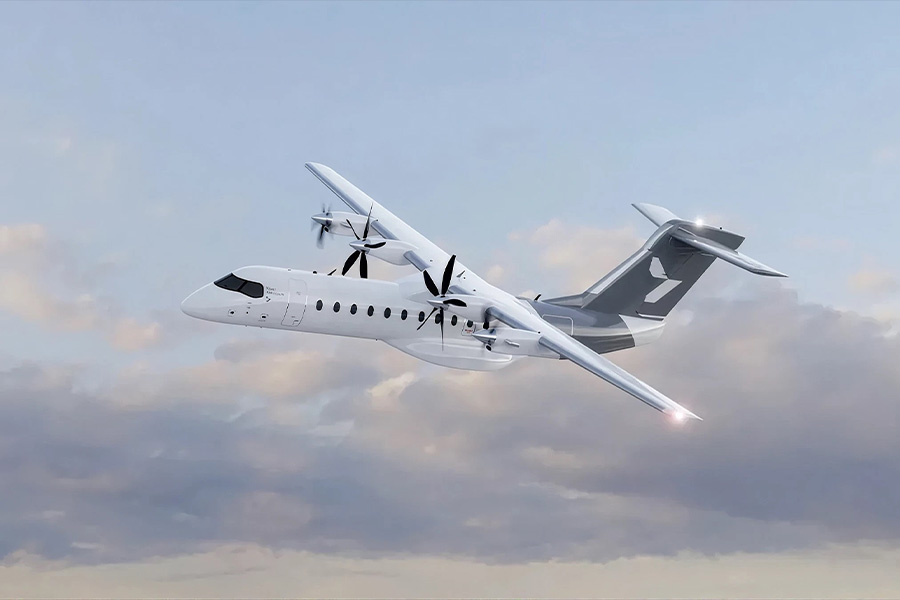
Private aviation is entering an important new chapter as electric vertical takeoff and landing aircraft move towards commercial operations. For Ultra High Net Worth Individuals, this evolution has implications far beyond aviation technology. It introduces a new layer of connectivity designed to link residences, business districts, airports, resorts and luxury private jet terminals within increasingly seamless travel ecosystems.
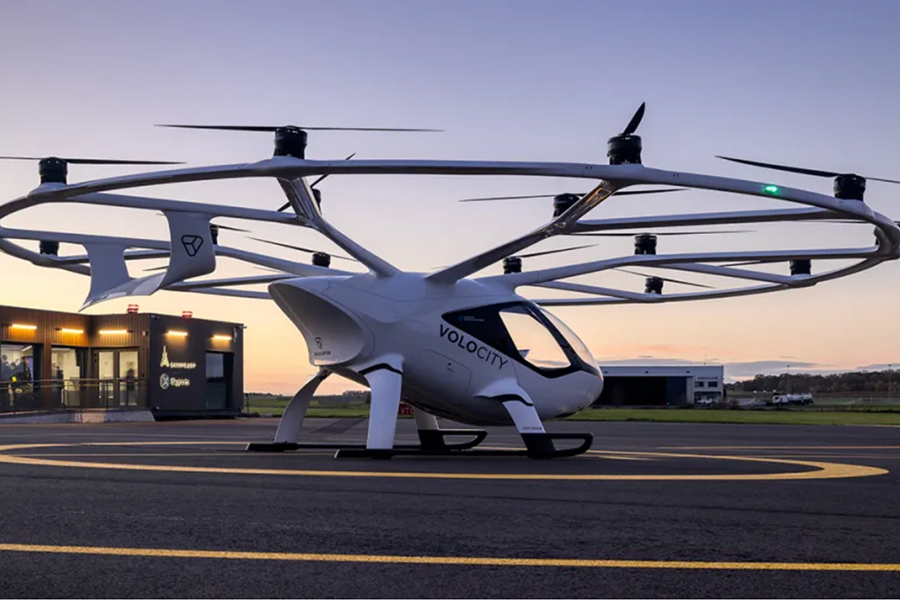
The conversation surrounding eVTOL aircraft is therefore expanding from the aircraft themselves to the infrastructure supporting their operations. Vertiports, private terminals, charging networks and dedicated passenger facilities are emerging as essential components of advanced air mobility.
Dubai has placed itself at the centre of this transformation with the opening of a purpose built eVTOL vertiport, providing an early vision of how premium urban air mobility could become part of everyday life for The 1%.
Dubai Builds an Infrastructure for Advanced Air Mobility
Dubai has long embraced aviation as an essential element of its global positioning, and its latest investment extends that philosophy into electric air mobility.
Developed by Skyports Infrastructure in collaboration with Dubai’s Roads and Transport Authority, the new 33,400 square foot facility incorporates a passenger terminal, flight operations infrastructure, two takeoff and landing pads and Joby’s Global Electric Aviation Charging System.
The facility has been designed with capacity for approximately 170,000 passengers and 42,000 aircraft movements annually.
Dubai’s plans also include three additional vertiports across the city, creating the foundations of an urban network connecting strategically important locations.
For The 1%, this infrastructure represents another dimension of premium mobility. An eVTOL journey could eventually become a natural extension of a luxury private jet flight, connecting an international arrival directly with a residence, hotel, business district or private development.
The 1% Is Positioned at the Centre of the Mobility Transformation
The rise of advanced air mobility coincides with continued expansion in global private wealth.
The worldwide Ultra High Net Worth population surpassed 510,000 individuals by mid 2025, collectively representing close to $60 trillion in wealth. Current projections indicate that the global UHNW population could expand by over one third by 2030.
This audience has a natural relationship with private aviation.
UHNW individuals frequently maintain residences, investments, companies and personal interests across several destinations. Their travel patterns place a premium on time, accessibility, privacy and personalised service.
Private aviation activity already illustrates the scale of this demand. Approximately 3.88 million private jet flights were recorded globally in 2025, representing annual growth of around 4.6%.
The global fleet also encompasses approximately 22,000 to 23,000 business jets, creating an established aviation ecosystem into which advanced air mobility can eventually integrate.
Connecting eVTOLs With the Luxury Private Jet Experience
One of the most compelling opportunities for eVTOL technology lies in completing the journey surrounding a private flight.
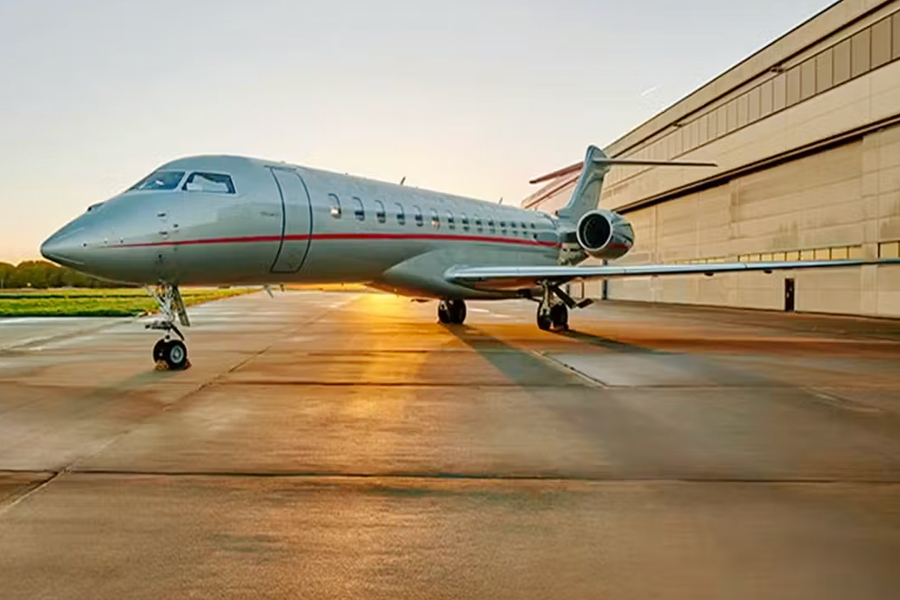
A traveller arriving aboard a luxury private jet could transfer directly into an electric aircraft for the final stage of the itinerary. The journey could continue from an executive airport to a city centre residence, coastal property, hotel or business meeting.
This creates the possibility of an integrated private aviation experience.
For UHNW travellers, mobility increasingly functions as a continuous ecosystem. Private jets provide regional and international connectivity while eVTOL aircraft can serve shorter urban and regional sectors.
The relationship between these forms of aviation could eventually create highly personalised door to door journeys designed around the passenger’s schedule.
Existing Heliports Create an Immediate Opportunity
The infrastructure supporting helicopters also provides an important foundation for the development of advanced air mobility.
Existing heliports can evolve through the addition of electric charging infrastructure and passenger facilities, allowing strategically located sites to participate in the emerging eVTOL network.
Major cities such as New York and Los Angeles present natural environments for this model. Resort destinations including the South of France also offer compelling opportunities, particularly during periods when roads experience significant demand.
These locations already attract substantial concentrations of UHNW residents, international investors, yacht owners and private aviation users.
For this audience, an eVTOL connection can become another component of the broader luxury private jet journey.
Luxury Real Estate Meets Private Aviation
The convergence between aviation and luxury real estate could become one of the defining developments within advanced air mobility.
Park Elm at Century Plaza in Los Angeles provides an early example. Plans involve transforming an existing heliport into a Joby vertiport complemented by a dedicated Blade lounge.
This concept introduces aviation infrastructure directly into the residential experience.
For The 1%, a residence increasingly represents a complete lifestyle platform. Wellness facilities, private dining, concierge services, automotive amenities and hospitality experiences already form part of many premium developments. Direct access to advanced air mobility adds another dimension.
Future penthouses, branded residences and resort developments could incorporate rooftop vertiports alongside dedicated lounges, baggage services and private passenger facilities.
A residence equipped for eVTOL access could therefore become part of an owner’s global aviation network.
Florida Advances Its eVTOL Ambitions
The United States is also developing infrastructure to support this emerging aviation category.
Florida has established two vertiports at the SunTrax testing campus, with plans focused on creating a broader statewide advanced air mobility network.
The state represents a particularly relevant market for this technology due to its concentration of private aviation activity, luxury residences, resorts, marinas and UHNW communities.
Miami, Palm Beach and other major Florida destinations already form important points within America’s private aviation landscape.
An advanced air mobility network could connect these destinations with executive airports, private terminals, residences and leisure locations, creating an additional layer within the luxury private jet ecosystem.
Infrastructure Becomes Part of the Luxury Experience
The development of vertiports will extend beyond landing areas and charging equipment.
Premium facilities can incorporate private lounges, dedicated security, concierge services, baggage handling and personalised ground transportation.
For UHNW passengers accustomed to private aviation terminals and five star hospitality, these elements will shape their experience of advanced air mobility.
The vertiport consequently becomes a hospitality environment as much as an aviation facility.
Architects, luxury developers, aviation companies and hospitality groups have an opportunity to create spaces that reflect the expectations of The 1%, combining technology with comfort, privacy and service.
A Growing Private Aviation Economy
The economic foundations supporting this transformation are substantial.
The private aviation market was valued at approximately $36.94 billion in 2023, with projections placing the industry above $40 billion by 2028.
Private charter represents another significant growth area, with forecasts indicating a market value of approximately $17.4 billion in 2025, progressing towards $33.38 billion by 2030.
Within this expanding ecosystem, eVTOL aircraft introduce an additional mobility layer capable of connecting private aviation with the traveller’s final destination.
The opportunity encompasses aircraft manufacturers, airport operators, real estate developers, hospitality brands, infrastructure specialists and private aviation companies.
The Future of Luxury Private Jet Travel Begins on the Ground
The development of eVTOL aircraft represents an exciting technological achievement. The infrastructure surrounding these aircraft will ultimately define how naturally they integrate into the lifestyles of The 1%.
Dubai’s new vertiport offers an early indication of this future. Florida’s developing network, new research facilities in the United States and residential projects incorporating vertiports demonstrate how rapidly the physical ecosystem is taking shape.
For Ultra High Net Worth Individuals, advanced air mobility could become an extension of the luxury private jet experience, connecting long distance private aviation with highly personalised local transportation.
As the global UHNW population continues to expand and private aviation serves millions of flights each year, the next generation of luxury mobility is taking shape through an interconnected network of private jets, eVTOL aircraft, vertiports, residences and destinations.
For The 1%, the future of private aviation increasingly represents a complete journey from residence to aircraft, from aircraft to destination and across every point in between.
Share Now
Infrastructure Becomes Part of the Luxury Experience
LATEST

POPULAR