

Scotland's £35 Million Distilling Centre Signals a New Era for Fine Wine and Spirits
Scotland has spent centuries perfecting the quiet art of turning barley, water and time into something extraordinary. Now it is writing a new chapter. Heriot-Watt University is advancing plans for a £35 million Centre for Advanced Brewing and Distilling in Edinburgh, an investment in craftsmanship, innovation and sustainability that strengthens the nation’s standing in the global Fine wine and spirits industry.

The ambition is matched by the numbers. An independent economic assessment by Biggar Economics projects that the facility could generate an additional £53.4 million in annual economic value for Scotland by its tenth year of operation, while supporting around 1,570 jobs across the country.
The project unites academic expertise, industry partnership and advanced production technology. For The 1%, the world’s Ultra High Net Worth Individuals, it offers a revealing glimpse into the evolution of luxury spirits, where heritage, provenance and technical mastery shape every exceptional whisky.
Scotland Reinforces Its Position in Fine Wine and Spirits
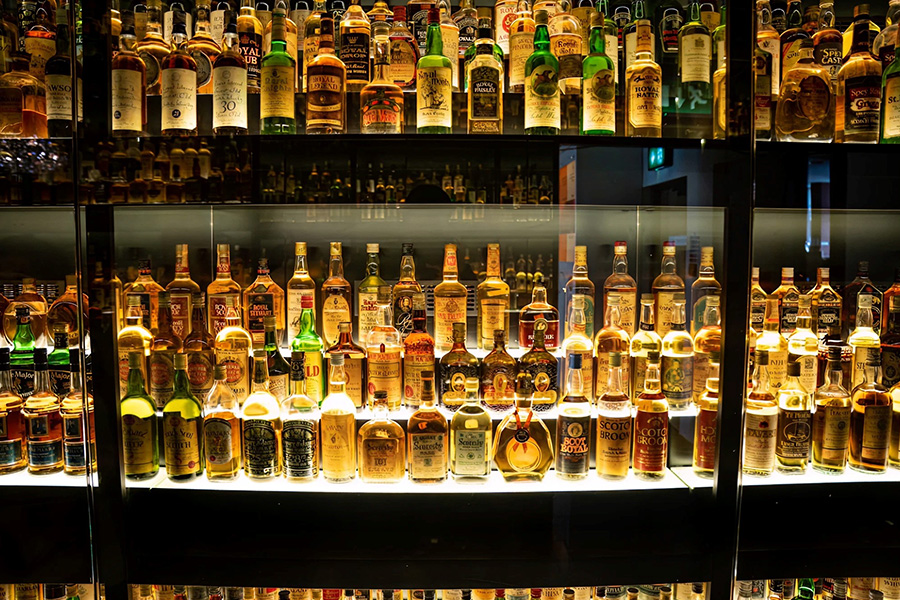
Few nations are as closely tied to a single spirit as Scotland is to whisky. Scotch carries the character of its land and the expertise of its makers. It speaks of distinct regional styles, patient maturation and traditions handed down through generations of distillers.
Heriot-Watt University’s proposed centre builds on this legacy with a dedicated home for research, education and industry innovation. It will succeed the university’s International Centre for Brewing and Distilling, founded in 1990, and offer a broader platform for the next generation of distillers, brewers, researchers and entrepreneurs.
Its economic reach extends across Scotland’s entire spirits ecosystem. Biggar Economics estimates that the centre could contribute to a total annual economic impact of £324.8 million by its tenth year. This figure reflects value created through industry activity, graduate employment, entrepreneurship and research. The assessment also identifies an additional £201.9 million in cumulative economic benefits over a decade.
For the international Fine wine and spirits world, the message is clear. Investment in knowledge and technical skill lays the foundation for exceptional production, and it nurtures the specialist talent that will carry the craft forward.
A £35 Million Investment in Distilling Excellence
The centre is conceived as a single academic environment where advanced production, scientific research and entrepreneurial ambition meet. At its heart will be specialist brewing and distilling testbeds. Here, producers can explore new techniques, refine their processes and pursue fresh approaches to premium spirits.
Dedicated laboratories will focus on raw materials, product quality and innovation, supporting research at every stage of production. A sensory evaluation suite will offer a refined space for studying aroma, flavor, texture and the subtle qualities that set an exceptional liquid apart.
In luxury spirits, precision is everything. The choice of ingredients, the course of fermentation, the cut of distillation and the long patience of maturation all shape the identity of each expression. By pairing scientific inquiry with time-honored craftsmanship, the centre will help producers understand these processes more deeply than ever before.
Sustainability sits at the core of the research program. Advanced laboratories will investigate low-carbon distillation techniques and circular economy solutions, pointing toward production methods that honor both the environment and the standards of excellence.
An entrepreneurial hub will complete the vision. It will help emerging businesses grow, turning academic research and specialist expertise into commercial opportunities across Scotland’s brewing and distilling sectors.
To bring the project to life, Heriot-Watt University is seeking £25.3 million in industry funding alongside £9.7 million in public investment. According to the independent assessment, every £1 of public funding could return around £20.80 in economic benefit.
The Economic Influence of Scotland's Luxury Spirits Industry
The significance of the centre comes into sharper focus against the scale of Scotland’s alcohol production industry. The production and sale of alcoholic beverages contributes roughly £8.1 billion each year in gross value added to the Scottish economy and accounts for almost a quarter of the country’s exports.
Scotland’s concentration of expertise is a competitive strength in its own right. Figures from the Office for National Statistics show that Scotland holds about 71 percent of distilling employment across Great Britain, with around 14,000 jobs tied to the sector nationally.
The existing International Centre for Brewing and Distilling has already left a remarkable mark. Biggar Economics estimates that its activities and graduate contributions generated £240.1 million in economic value during the 2024/25 financial year, supporting approximately 1,180 jobs.
That influence lives on in the businesses its former students have founded, including:
- Dunnet Bay Distillers
- Holyrood Distillery
- North Uist Distillery
- Simple Things
- Fermentations
- Stewart Brewing
Nearly 30 active Scottish businesses linked to graduates of the centre generated an estimated £79.4 million in economic value in 2024/25. Through their direct operations and wider activity, they supported around 520 jobs.
Together, these figures show how specialist education fuels the businesses, technical skill and entrepreneurial spirit behind Scotland’s reputation in Fine wine and spirits.
Ultra High Net Worth Individuals and the Appreciation of Fine Wine and Spirits
Scotland’s distilling future also resonates within the international luxury market. Here, Ultra High Net Worth Individuals form an influential circle of collectors who value craftsmanship, heritage and thoughtfully curated collections.
According to Altrata’s World Ultra Wealth Report 2025, the global population of Ultra High Net Worth Individuals reached approximately 510,810 people, each with a net worth above US$30 million. Together, they held an estimated US$59.8 trillion in wealth, about 32.4 percent of the wealth controlled by the global High Net Worth population.
This concentration of wealth sustains a discerning audience for fine art, jewelry, watches, automobiles, extraordinary travel and Fine wine and spirits.
In luxury whisky, appreciation reaches far beyond the glass. It embraces provenance, production methods, maturation and the cultural story of each distillery. Collectors may seek rare single malts, distinctive cask expressions and carefully chosen vintages, building collections that reflect personal passions and a reverence for the distiller’s art.
The connection often extends to the places where these spirits are born. Private distillery visits, specialist tastings, curated cellar experiences and time spent with master distillers add a rich cultural dimension to the enjoyment of fine whisky.
Scotland’s continued investment in distilling expertise enriches this wider luxury world. It upholds the knowledge, production standards and craftsmanship that give its spirits their unmistakable character.
Sustainability and Innovation Shape the Future of Luxury Whisky
Sustainability is fast becoming central to the strategy of the global Fine wine and spirits industry. Producers are exploring technologies and methods that manage resources responsibly while preserving the distinctive qualities of their spirits.
Heriot-Watt University’s proposed centre gives this ambition both an academic and a commercial framework. It brings together research into low-carbon production, circular economy principles and advanced distillation processes.
The project also highlights the power of collaboration between universities, established producers and emerging businesses. With access to specialist facilities and technical expertise, companies can explore new production methods and build capabilities that shape the industry’s long-term evolution.
Diageo, one of the international spirits groups supporting the initiative, has stressed the importance of partnership between industry, philanthropy, government and academia. Ewan Andrew, Diageo’s President of Global Supply Chain and Procurement and Chief Sustainability Officer, also serves as co-chair of the centre’s fundraising committee. He has underlined the project’s potential to strengthen Scotland’s economic resilience and open new avenues for growth.
For luxury spirits producers, this union of research, sustainability and craftsmanship offers a foundation for creating exceptional products, while honoring the cultural and technical heritage of Scotland’s storied distilling regions.
A New Chapter for Scotland's Fine Wine and Spirits Heritage
Heriot-Watt University’s proposed Centre for Advanced Brewing and Distilling is a meaningful investment in the future of Scotland’s spirits industry. It joins long-established expertise with a vision rooted in innovation, education and responsible production.
The projected £53.4 million in additional annual economic value, the potential to support 1,570 jobs and the creation of advanced research facilities reveal the scale of opportunity ahead for Scotland’s brewing and distilling ecosystem.
For The 1%, the initiative offers a new lens on the craftsmanship behind exceptional spirits. Within every carefully made whisky lies a delicate interplay of ingredients, scientific knowledge, technical precision and generations of hard-won expertise.
As Scotland moves its plans forward, the project affirms the enduring bond between heritage and innovation in Fine wine and spirits. By investing in specialist talent, sustainable production and entrepreneurial growth, Heriot-Watt University is helping to shape a future in which Scottish distilling continues to captivate collectors, connoisseurs and lovers of luxury around the world.
Share Now
LATEST
POPULAR