

Hermès Brings the Spirit of Rio to a New Home as Luxury Fashion Brands Deepen Their Presence in Brazil
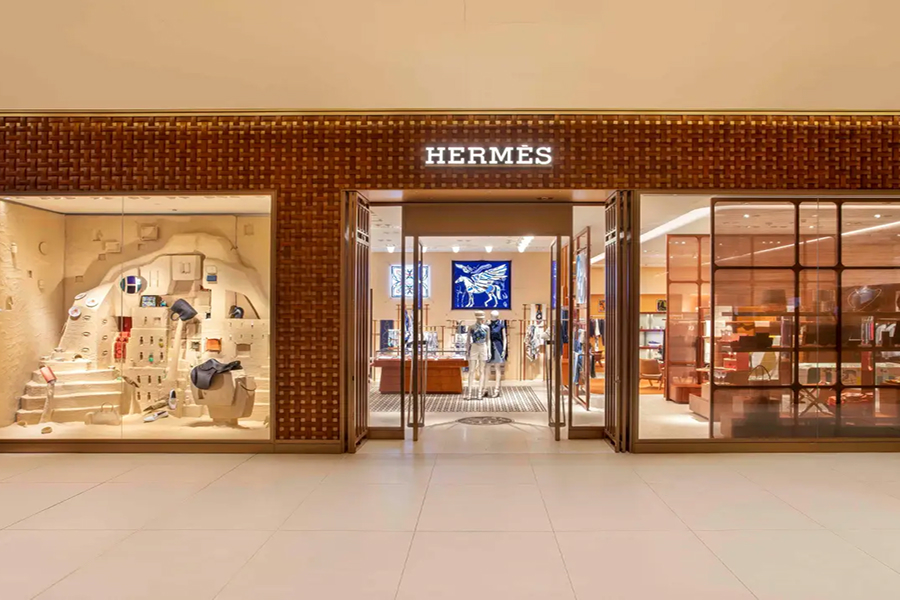
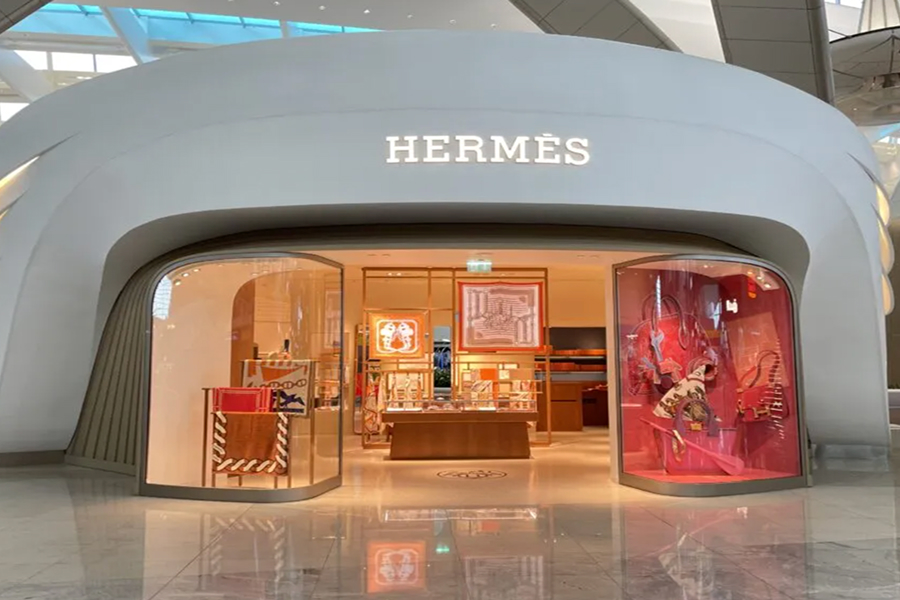
Hermès brings this philosophy to Rio de Janeiro with a new boutique at VillageMall in Barra da Tijuca, which opened on 23 August 2026.
The address gathers all 16 Hermès métiers under one roof for the first time in Rio, creating a complete expression of the French maison within one of Brazil’s most internationally celebrated cities.
For the 1%, the opening offers another glimpse of how luxury fashion brands are shaping increasingly refined environments around their most valued clients.
A New Chapter for Hermès in Rio de Janeiro
Hermès has held a presence in Rio for a decade. Its previous boutique on Rua Garcia d’Ávila in Ipanema opened in July 2016.
The move to VillageMall introduces a new scale and creative direction for the maison in the city.
Designed by the Paris-based architecture studio RDAI, the boutique draws its inspiration directly from Rio’s coastline, its vegetation and its architectural identity.
Earth and sand tones lay a natural foundation throughout the space, softened by accents of jungle green.
The result connects Hermès with its Brazilian surroundings while preserving the visual codes that have defined the maison for generations.
Where Paris Meets Brazilian Design
The exterior establishes this dialogue between France and Brazil the moment you arrive.
A lattice crafted from locally sourced wood wraps the façade. Its geometry echoes the flooring of the historic Hermès flagship on Rue du Faubourg Saint-Honoré in Paris, while evoking the Brazilian tradition of cobogó architectural screens.
This union gives the boutique a distinct sense of place.
For luxury fashion brands, localisation increasingly means translating global heritage through the architecture, materials, craftsmanship and culture of each destination.
Rio becomes part of the Hermès story, while Hermès becomes part of Rio.
Sixteen Hermès Métiers Under One Roof
The interior unfolds as a journey through the complete Hermès universe.
Visitors first encounter silk, fashion jewellery, perfume and beauty, accompanied by the maison’s signature ex libris and the black-and-white Faubourg mosaic flooring.
The path continues through home collections, menswear, women’s shoes and ready-to-wear.
Jewellery and watches occupy a more intimate setting, framed by fabric walls that carry subtle palm-leaf motifs.
Leather goods and the equestrian collections complete the experience within a space of teal terrazzo, mother-of-pearl details and deep brown wood.
For the first time in Rio, clients can experience all 16 métiers of Hermès within a single boutique.
The expanded offering also introduces Maison, Beauty and Horizons to the Rio location, extending the relationship between the house and its clients into interiors, personal care and travel.
Luxury Fashion Brands Are Becoming Lifestyle Maisons
The significance of this expanded offering reaches beyond retail.
Luxury fashion brands increasingly touch many dimensions of their most valuable clients’ lives.
Fashion can lead naturally into watches, jewellery, beauty, furniture, objects, travel and collectible design.
For Ultra High Net Worth Individuals, this opens the possibility of building a relationship with a maison across countless aspects of their lifestyle.
Hermès is exceptionally well placed within this landscape, as its métiers already span fashion, leather goods, equestrian craftsmanship, jewellery, watches, beauty and the home.
The Rio boutique draws those worlds together.
The 1% Represents $290 Billion in Luxury Spending
The importance of serving this audience comes into focus when you consider the concentration of global wealth.
According to Altrata’s World Ultra Wealth Report 2025, the global population of Ultra High Net Worth Individuals reached 510,810 people in the first half of 2025. Each individual within this group holds a net worth above $30 million.
Together, this population controls approximately $59.8 trillion in wealth, representing 32.4% of all wealth held by the global high net worth population.
Their influence on luxury is equally striking.
Altrata estimates that Ultra High Net Worth Individuals account for roughly $290 billion in annual luxury goods spending—around 21% of total individual luxury expenditure worldwide.
For luxury fashion brands, these figures underline the value of creating environments built to engage the world’s most discerning clients.
Brazil Within the Geography of Global Wealth
Rio also serves as a gateway into one of Latin America’s most important luxury economies.
Hermès already operates two boutiques in São Paulo alongside its Rio presence, giving the maison a carefully established footprint within Brazil.
The new VillageMall boutique deepens that presence by offering clients access to the complete Hermès universe.
For wealthy Brazilian families, entrepreneurs and international visitors, the experience blends global luxury standards with an environment conceived specifically for Rio.
This approach reflects a wider transformation within luxury retail.
The most prestigious maisons increasingly create boutiques that belong—culturally and architecturally—to their locations.
The Boutique Becomes a Cultural Destination
Art plays a defining role in the new Hermès environment.
Works from the Émile Hermès Collection and the Hermès Collection of Contemporary Photographs are woven throughout the boutique.
French artist François Houtin’s Arbre de vie brings a botanical dimension through its intricate rendering of sprawling tree roots.
Anton Laborde’s Jungle series introduces marquetry compositions inspired by nature, reinforcing the connection between the interiors and Brazil’s landscape.
This integration of art, architecture and retail signals an important direction among luxury fashion brands.
The boutique becomes a cultural destination in its own right.
For UHNW clients accustomed to exceptional hospitality, private residences, art collections and remarkable architecture, the environment surrounding a purchase forms an essential part of its value.
Craftsmanship Remains Central to the 1%
The growth of the ultra wealthy is creating an ever more significant global audience for craftsmanship.
Altrata forecasts that the worldwide UHNW population could reach 676,970 individuals by 2030—an increase of approximately 31% from the first half of 2025.
That means more than 166,000 additional people could enter the $30 million-plus wealth category within five years.
For luxury fashion brands, this expanding population brings fresh opportunities around exceptional craftsmanship, private clienteling and deeply personalised experiences.
As wealth grows, the value of genuine craftsmanship becomes ever more meaningful.
Handmade objects require time. Specialist knowledge takes generations to develop. Exceptional materials remain scarce.
These qualities resonate naturally with a clientele able to access almost anything, yet who continue to seek objects with authenticity, provenance and meaning.
Physical Retail Remains Essential to Luxury
The Rio opening also affirms the enduring importance of physical boutiques within luxury.
At the highest level of the market, retail offers something digital commerce delivers differently: human relationships, sensory engagement and full immersion within the universe of a maison.
Clients can feel leather, admire construction, experience fabrics, examine jewellery and understand the proportions of furniture.
They can also build relationships with client advisors who know their collections, preferences and lifestyles.
For the 1%, these relationships can continue across cities and generations.
A Hermès client may connect with the maison in Rio, Paris, London, New York or Tokyo, all while remaining part of one interconnected global relationship.
More Than 300 Stores Across 45 Countries
Hermès currently operates more than 300 stores across 45 countries.
Yet the strength of its global network lies in the individual identity given to each location.
The Rio boutique illustrates this philosophy beautifully.
Brazilian architectural references meet Parisian heritage. Local wood sits alongside established Hermès design codes. Tropical vegetation inspires colours and textures, while art adds another cultural layer to the experience.
The maison remains unmistakably Hermès, while allowing Rio to shape the environment around it.
For luxury fashion brands, this balance between global consistency and local cultural relevance has become an increasingly vital part of international expansion.
The Future of Luxury Fashion Brands Is Experiential
For the 1%, the future of luxury retail increasingly revolves around experience, access and personal connection.
A boutique can become a private salon, an architectural landmark, a gallery and a place where a relationship with a maison deepens over decades.
The new Hermès address in Rio captures many of these qualities.
Its sixteen métiers form a complete lifestyle universe. Its architecture connects Paris with Brazil. Its artworks bring culture into the retail journey, while its materials evoke the coastline and the natural landscape that surround the city.
As the worldwide population of Ultra High Net Worth Individuals moves toward a projected 676,970 people by 2030, these thoughtfully considered environments will grow ever more important within the global luxury landscape.
For luxury fashion brands, the opportunity reaches far beyond opening new stores.
It lies in creating places worthy of the people they are designed to welcome.
Share Now
Infrastructure Becomes Part of the Luxury Experience
LATEST
POPULAR