

How New Battery Technology Could Shape the Future of Luxury Private Jet Aviation
Innovation has always been one of the defining forces behind private aviation. From ultra long range aircraft to advanced cabin technologies and sustainable fuels, the sector continues to evolve in response to the changing needs of the world’s most successful individuals.
Today, a new breakthrough in battery technology is attracting attention across the aviation industry and could influence the next chapter of luxury private jet travel.
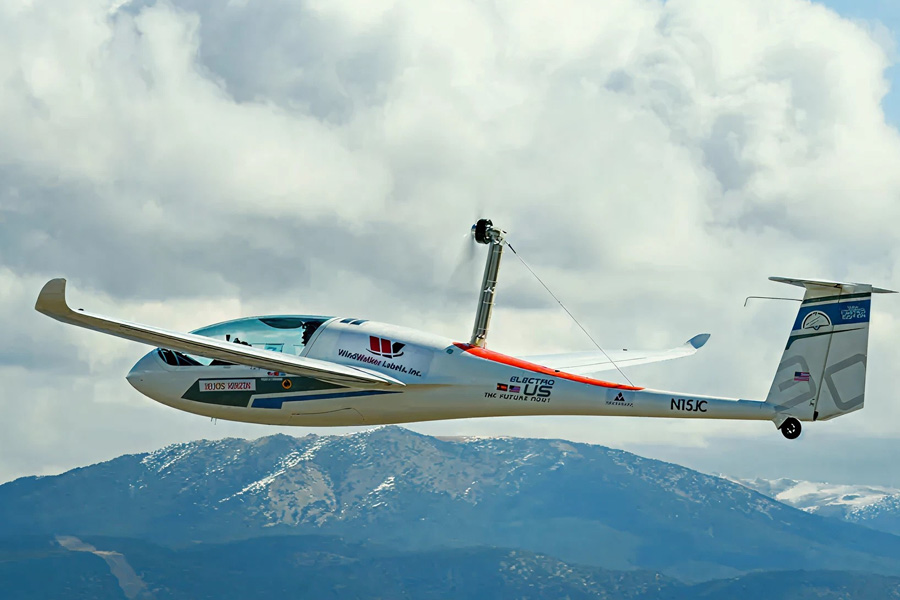
A recent milestone in electric aviation demonstrated the successful flight of an aircraft powered by solid state batteries, a technology that many aerospace experts view as a significant advancement in energy storage. While the aircraft remains a technology demonstrator, the achievement highlights how next generation propulsion systems could eventually support a broader transformation of private aviation.
For the 1%, innovation in aviation is not simply about technology. It is about unlocking new levels of efficiency, accessibility, and travel experiences.
Why Innovation Matters to the Luxury Private Jet Market
The luxury private jet industry is experiencing unprecedented momentum. Global private jet activity reached approximately 3.88 million departures in 2025, setting a new industry record. At the same time, Honeywell forecasts 8,500 new business jet deliveries valued at approximately $283 billion over the next decade.
This growth is closely linked to the expansion of global wealth. According to leading wealth reports, the global population of Ultra High Net Worth Individuals continues to expand, with more than 20 percent growth projected over the next five years. As wealth becomes increasingly international, aviation remains one of the most valuable tools for preserving time and maintaining global connectivity.
Emerging technologies are expected to play a significant role in supporting this continued growth.
The Promise of Solid State Aviation Technology
Solid state batteries represent an important evolution in energy storage. Their enhanced energy density allows aircraft designers to explore new possibilities for range, performance, and operational efficiency.
For aviation innovators, the technology opens the door to aircraft that can remain airborne for longer periods while supporting lighter and more efficient designs.
The recent demonstration flight showcased how these advanced batteries can power an aircraft while supporting ambitious future missions, including operations at altitudes typically associated with commercial airliners.
Although these developments are currently focused on experimental aircraft, they offer valuable insights into where aviation technology may be heading over the coming decades.
A New Era of Sustainable Luxury Aviation
The luxury private jet sector has increasingly embraced innovation that enhances both performance and environmental efficiency. Aircraft manufacturers continue to invest in lighter materials, advanced aerodynamics, sustainable aviation fuels, and digital flight technologies.
Battery innovation complements these efforts by expanding the range of solutions available to future aircraft designers.
For the next generation of entrepreneurs, investors, and family offices, sustainability and efficiency are becoming integrated components of long term aviation strategy. New technologies provide opportunities to align performance with evolving expectations across the global luxury landscape.
Looking Beyond Traditional Aircraft
Private aviation has always served as a testing ground for innovation. Many technologies that are commonplace today first appeared in high performance business aircraft before becoming widely adopted across the broader aerospace industry.
The emergence of advanced battery systems continues this tradition.
While today’s luxury private jet market remains dominated by aircraft from manufacturers such as Gulfstream, Bombardier, Dassault, and Embraer, the innovations taking place within electric aviation research are helping shape the future ecosystem of air travel.
Every breakthrough contributes to a broader vision of aviation that is more connected, efficient, and adaptable.
The Future of Luxury Private Jet Travel
The next decade is expected to bring significant advancements across every segment of private aviation. Aircraft design, propulsion systems, digital connectivity, and passenger experiences are all evolving simultaneously.
For the 1%, access to these innovations represents more than technological progress. It reflects a commitment to staying at the forefront of how the world moves.
As private aviation continues its remarkable expansion, technologies such as solid state batteries offer a glimpse into a future where the luxury private jet industry combines exceptional performance, advanced engineering, and visionary thinking in ways that continue to redefine global travel.
Share Now
LATEST

POPULAR