

Longevity Is Reshaping the Luxury Real Estate Market for the 1%
The world’s most exceptional homes are entering a new chapter. Longevity, wellness and the quality of everyday life are becoming the defining expressions of luxury. For Ultra High Net Worth Individuals, the residence is no longer simply a place to live. It is a refined lifestyle asset, thoughtfully composed to nurture health, comfort, privacy and enduring living.
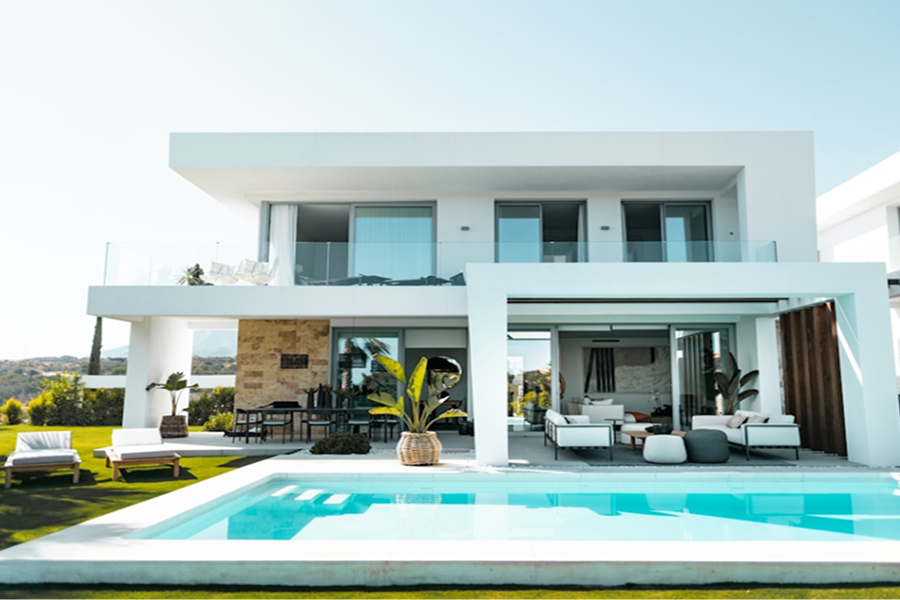
Insights from Sotheby’s International Realty’s 2026 Mid Year Luxury Outlook reveal the scale of this quiet transformation. Drawing on the perspectives of real estate professionals engaged in transactions valued at $10 million or more, the research illuminates how longevity is shaping decisions at the very summit of the property market.
For the 1%, the home has become an investment in how life is experienced today, and across the decades still to unfold.
Longevity Becomes a New Language of Luxury
Wellness has already secured its place as a defining element of premium residential design. Longevity now carries this philosophy further, toward something more considered and more personal.
According to the Sotheby’s research, roughly 38% of surveyed professionals working within the $10 million and above segment noted that aging in place is becoming a growing consideration in purchasing decisions.
This shift invites buyers to view a residence through a longer lens. Architecture, accessibility, wellness environments, adaptable spaces and proximity to premium healthcare each contribute to a property’s lasting appeal.
The opportunity reaches into a swiftly expanding global longevity economy. The report cites projections showing this market could grow from $5.3 trillion in 2023 to $8 trillion by 2030. Wellness real estate follows a parallel path, with the sector expected to surpass $1.1 trillion by 2029.
For developers who serve the 1%, these figures open a rare opportunity to weave wellness and longevity directly into the fabric of residential design.
Global Wealth Is Supporting the Real Estate Market
This rise of longevity focused property unfolds alongside extraordinary levels of global wealth.
Federal Reserve data cited by Sotheby’s shows that the net worth of the top 1% of Americans reached $54 trillion by the third quarter of 2025. The United States is also home to nearly 40% of the world’s millionaires.
The affluent population continues to widen. Projections in the report point to approximately 5 million additional millionaires worldwide by 2029. This expanding pool of private wealth forms a powerful foundation for the luxury real estate market.
Prime property retains its important role within wealth strategies because it unites tangible ownership with lifestyle value. A single residence can serve at once as a family home, an international base, a wellness sanctuary and a generational asset.
The $10 Million Market Continues to Attract Buyers
Activity at the highest levels of the market reflects the confidence of affluent buyers.
More than half of the luxury property professionals surveyed by Sotheby’s who specialize in residences above $10 million reported an increase in luxury buyers over the previous year. Average prices within the luxury segment also rose by approximately 5%.
Major international cities, among them New York, San Francisco, Hong Kong and Milan, continue to draw the interest of sophisticated buyers. Their enduring appeal speaks to the value of globally connected destinations.
For the 1%, location remains deeply woven into lifestyle. Access to culture, business, education, healthcare, gastronomy and international travel forms part of the equation, standing alongside architecture and property value.
Millennials Are Becoming a Powerful Luxury Property Generation
Among the most significant developments in the market is the growing presence of younger affluent buyers.
Sotheby’s found that 66% of surveyed professionals reported an increase in millennial luxury clients. Among those working with properties valued at $5 million or more, that figure climbed to 73%.
This generational shift carries meaningful implications for residential design. Younger wealthy buyers bring their own interpretation of luxury, placing lifestyle, wellness and long term usability at the center of their choices. Homes that embrace sophisticated technology, fitness environments, restorative spaces and flexible living areas speak directly to this new generation of wealth.
The outcome is a market increasingly shaped around the quality of everyday life.
Lifestyle Leads the Luxury Property Conversation
Lifestyle emerged as the most frequently cited influence on purchasing decisions, with 62% of surveyed professionals identifying it as a factor of rising importance.
This finding captures a fundamental evolution in how the 1% approach residential real estate.
A truly exceptional home supports physical wellness through private gyms, pools, spas and treatment spaces. It encourages restoration through natural light, gardens, clean air and acoustic calm. It offers privacy through thoughtful architecture and controlled access. And it evolves alongside its residents through adaptable layouts and carefully considered accessibility.
Longevity, in this way, becomes part of the architecture itself.
Wellness Real Estate Creates a New Investment Category
The projected growth of wellness related real estate beyond $1.1 trillion by 2029 speaks to the commercial promise of this movement.
Developers are increasingly able to create environments that unite hospitality, healthcare, wellness and private living.
For Ultra High Net Worth Individuals, this can take shape as residences featuring private treatment rooms, advanced fitness facilities, meditation spaces, spa environments, landscaped gardens, refined air and water systems and personalized wellness services.
Branded residences hold a particular opportunity here, blending hospitality expertise with the permanence of home. As longevity science advances, premium residences can become ever more attuned to the physical and emotional wellbeing of those who live within them.
Real Estate as a Generational Lifestyle Asset
The longevity movement also complements the role of property in long term wealth planning.
Ultra High Net Worth families frequently consider real estate across generations, particularly when acquiring homes in internationally celebrated locations. Residences designed around adaptability and enduring quality carry both emotional and financial significance.
The growing influence of millennials deepens this perspective. As wealth transfers unfold, a new generation of buyers is introduced to the global luxury property landscape.
For the 1%, the most coveted residences bring architecture, wellness, privacy, location and long term value together within a single, considered asset.
The Future of the Real Estate Market Is Designed Around Life
The evolution identified by Sotheby’s points toward a broader transformation of luxury.
Generous square footage, prestigious addresses and architectural distinction remain central to premium property. Longevity adds another dimension, placing human experience at the very heart of residential value.
With the global longevity economy projected to reach $8 trillion by 2030, wellness real estate expected to surpass $1.1 trillion by 2029, and younger affluent buyers gaining ever greater influence, the market has a rare opportunity to redefine what an exceptional home truly represents.
For the 1%, the residence of the future is a place to live beautifully, to preserve wealth, to nurture wellbeing and to create an enduring environment for generations to come.
Share Now
LATEST
POPULAR