

The Louvre’s €1 Billion Restoration and Expansion Plan: A New Era of Grandeur
The Louvre Museum, an emblem of cultural heritage and artistic mastery, has announced an ambitious €1 billion restoration and expansion plan to redefine its legacy in the modern era. Designed to address longstanding challenges and elevate the museum experience, this bold initiative promises to blend historical preservation with contemporary innovation.
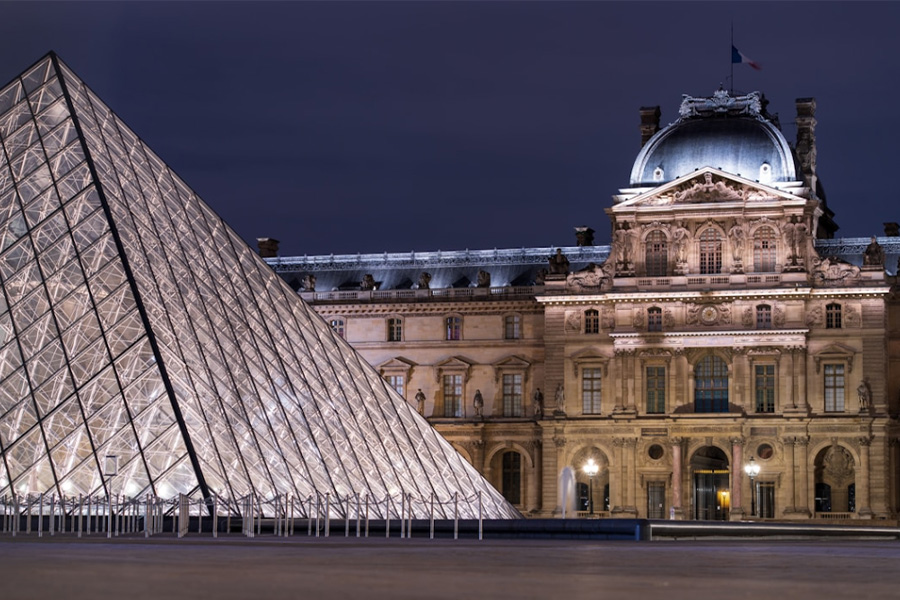
With its unparalleled reputation, the Louvre is embarking on a transformative journey to maintain its status as not just a treasure trove of art, but also a beacon of human creativity and imagination.
A Masterpiece Facing Modern Pressures
Welcoming over 7 million visitors annually, the Louvre’s global fame comes with unique challenges. Overcrowding has become a persistent issue, leaving its galleries congested and, at times, detracting from the profound experience of standing before works like the Venus de Milo. The sheer numbers also strain the museum’s infrastructure, which was not designed for the magnitude of contemporary foot traffic. Additionally, the museum’s priceless artifacts are at risk of damage, amplified by environmental factors and the aging of the building itself.
Further, the world-famous presence of the Mona Lisa has presented its own logistical difficulties. Housed in a gallery that often becomes a bottleneck, this singular masterpiece draws global praise while overburdening its immediate space. Thus, the Louvre faces the dual responsibility of preserving its historic treasures while evolving to meet the expectations of a 21st-century audience.
Redefining Spaces, Redefining Experiences
Central to the Louvre’s restoration are plans to reimagine how its art is displayed and experienced. The museum intends to revamp its exhibition spaces, creating an environment that emphasizes not just the view of a masterpiece, but the story behind it. Each gallery will be thoughtfully curated to allow for deeper engagement, ensuring visitors can linger and absorb the nuances of every piece.
Perhaps most striking is the museum’s decision to establish a dedicated room for the Mona Lisa. This move aims to solve the overcrowding issue in her current location and present the painting in a setting that celebrates her enigmatic allure without distraction. Visitors will experience this iconic piece with the reverence it deserves, in an environment crafted to match its mystique.
The plan also includes the addition of a subterranean tunnel to facilitate smoother visitor flow—a feat of modern engineering set to transform accessibility throughout the property. Beyond galleries and visitor management, the restoration will offer moments of elevated luxury with a fine dining restaurant on-site, perfectly blending culinary artistry with the Louvre’s ethos of refinement.
The Price Tag of Grandeur
A project as monumental as this comes with significant financial demands. The estimated cost of €1 billion reflects not only the scale of the architectural interventions but also the intricate care required to preserve centuries-old artifacts. Comparatively, this figure rivals the €850 million restoration of Notre Dame Cathedral, highlighting the Louvre’s vision as one of the most significant cultural investments of our time.
The funding landscape for such a massive venture is as fascinating as the restoration itself. A key player in this narrative is luxury conglomerate LVMH, which has emerged as a major supporter of the project. This partnership underscores a growing trend of private investment in cultural institutions. From sponsoring art exhibitions to funding museum expansions, luxury brands are redefining the boundaries of philanthropy.
At the heart of this trend lies the phenomenon often referred to as the “Great Wealth Transfer.” As wealth shifts to a younger generation of collectors and patrons, there is an increasing focus on impactful projects that leave a lasting cultural legacy. For the Louvre, this dynamic creates opportunities to secure financial support while maintaining the institution’s artistic vision.
The Glamour Debate
Not all reactions to the Louvre’s transformation plan have been celebratory. Unions representing the museum’s employees have raised concerns, arguing that the focus on what they label as “glamour projects” detracts from more urgent operational needs. From their perspective, investments in visitor-facing attractions must be balanced with behind-the-scenes efforts, such as staff training, security upgrades, and ongoing preservation of artifacts rarely seen by the public.
Such criticism adds nuance to the broader discourse surrounding large-scale cultural investments. While enhanced galleries and fine dining options elevate the visitor experience, questions remain about how the Louvre will allocate resources to its less visible yet equally critical roles as a guardian of history.
A Vision Beyond the Louvre
The Louvre’s €1 billion restoration is more than an institutional upgrade; it is a reflection of the evolving relationship between art, culture, and philanthropy. The involvement of luxury brands like LVMH echoes a wider movement across the cultural sector, where private entities increasingly influence public institutions. While this partnership model brings financial stability, it invites deeper discussions about the balance between exclusivity and accessibility in the art world.
This project also serves as a statement to the next generation of art enthusiasts and collectors. It bridges tradition with progress, offering a blueprint for how revered institutions can remain timeless while innovating for the future. The Louvre’s vision reminds us that art is not static but a living dialogue—one that depends on stewardship as much as imagination.
A Future in the Making
The Louvre’s restoration is a bold homage to its legacy and the millions of visitors it inspires each year. While it navigates the delicate balance of honoring its history and innovating for new generations, one thing is certain: this transformation, like the works it houses, will stand as a testament to human ingenuity and the enduring appeal of beauty.
For those who wander its halls, the Louvre remains an invitation—a gateway to worlds both ancient and uncharted, and a promise of elegance redefined for centuries to come.
Share Now
LATEST



POPULAR