

How Digital First Buying Is Reshaping the Future of Luxury Car Brands
The global automotive landscape is undergoing a profound transformation, and its most powerful catalyst is not engineering or electrification but behavior.
New research confirms that the car buying journey has moved decisively into the digital realm, led by a generation that values immediacy, immersion, and control. While this shift is most visible among younger buyers, its implications extend directly into the world of luxury car brands and the Ultra High Net Worth Individuals who increasingly define its future.
A recent multi market study spanning the United States, Europe, and the Middle East reveals that nine out of ten car buyers now rely primarily on digital channels during their purchase journey. More strikingly, half of Gen Z buyers completed their most recent vehicle purchase entirely online, signaling a structural break from the dealership centered model that dominated the automotive industry for decades.
Digital Behavior Is No Longer Age Dependent It Is Wealth Dependent
While Gen Z may be the most visible driver of digital adoption, the behavioral shift mirrors what is already happening at the top of the wealth pyramid. According to Knight Frank and Wealth X, more than sixty percent of Ultra High Net Worth Individuals under forty five prefer digital first interactions when researching high value assets, including automobiles, yachts, and private aviation.
For the one percent, time is the ultimate luxury. Digital platforms allow elite buyers to evaluate, configure, and commission vehicles globally without friction. This evolution aligns perfectly with the bespoke and hyper personalized direction of modern luxury car brands.
Social Media Has Become the New Luxury Showroom
The study confirms that sixty seven percent of car buyers use social platforms during their search, rising to nearly three quarters among younger buyers. Social is no longer a marketing layer. It has become the discovery engine.
For luxury marques, this represents a fundamental redefinition of influence. Heritage alone is no longer sufficient. Visual storytelling, controlled scarcity, and cultural relevance now drive consideration. Nearly seventy percent of younger digital buyers report that creators directly influence their awareness of vehicle brands, while more than sixty percent say creator content increases the likelihood of consideration.
This shift explains why leading luxury car brands are investing heavily in cinematic launches, curated digital communities, and private social platforms reserved for clients.
Luxury Is Still the Aspiration Even for Digital Natives
Perhaps the most telling insight is this: eighty five percent of Gen Z buyers are actively considering luxury brands. Far from rejecting prestige, younger buyers are redefining how it is accessed and evaluated.
Their interest in luxury is driven by technology, design intelligence, sustainability, and experiential value rather than overt status. This mirrors broader UHNW trends. According to Bain and Company, more than forty percent of global luxury growth through 2030 will be driven by under forty five consumers, many of whom will ascend into UHNW status through entrepreneurship and digital industries.
Luxury car brands that adapt early to these preferences will not only secure relevance but long term dominance.
Augmented Reality Is Becoming the New Test Drive
One of the most significant developments is the rise of immersive evaluation tools. Two in five buyers have already used augmented reality to explore vehicles, with demand rising sharply among high income consumers.
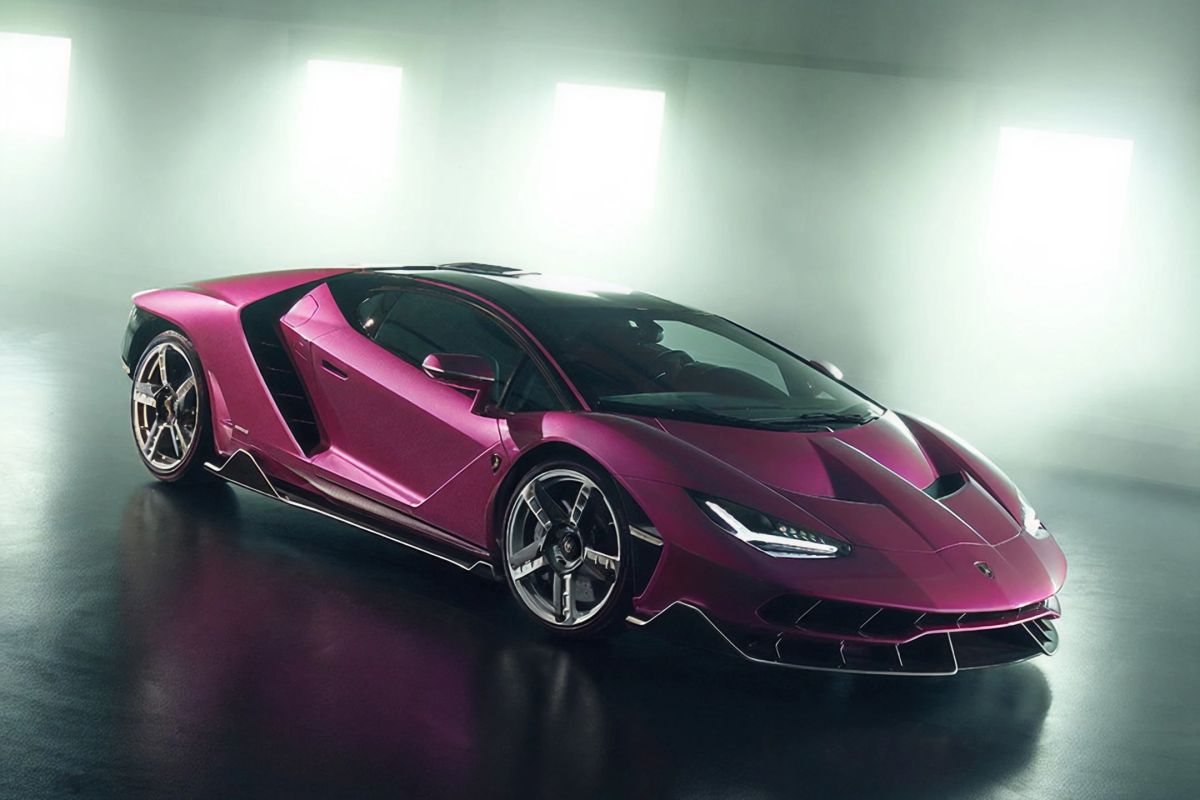
For the one percent, AR is not a novelty. It is a practical extension of bespoke commissioning. Virtual material selection, spatial visualization, and digital twins allow buyers to engage deeply before physical delivery. Brands like Lamborghini, Bentley, and Rolls Royce are already integrating these tools into private client journeys.
This shift reduces dependency on physical inventory while expanding global reach, a critical advantage in a market where UHNW buyers often purchase across borders.
What This Means for the One Percent and Luxury Car Brands
The future of automotive luxury is not defined by where a car is purchased, but how intelligently the experience is designed. Digital does not replace exclusivity. It amplifies it.
With the global UHNW population expected to grow by nearly thirty percent by 2030, luxury car brands that master digital storytelling, immersive technology, and private online ecosystems will define the next era of automotive prestige.
For the one percent, the showroom is no longer a place. It is a curated digital world where design, performance, and identity converge on demand.
Luxury has not gone online. It has evolved.
Share Now
LATEST

POPULAR