

Prada Spring/Summer 2026 and the New Language of Luxury Fashion Brands
Prada’s Spring/Summer 2026 campaign arrives as more than a seasonal visual statement. It is a deliberate rethinking of what an image means in the modern luxury economy, where perception shapes value and cultural relevance often moves faster than product cycles. Titled Image of an Image, the campaign reframes advertising itself as an object of study, positioning Prada once again among the Luxury Fashion Brands most capable of turning communication into intellectual territory.Bvlgari Hotels and Resorts has entered a defining new chapter with the appointment of Jean Christophe Babin as Chief Executive Officer, a strategic evolution that reinforces the brand’s ambition within the global luxury hotels landscape.
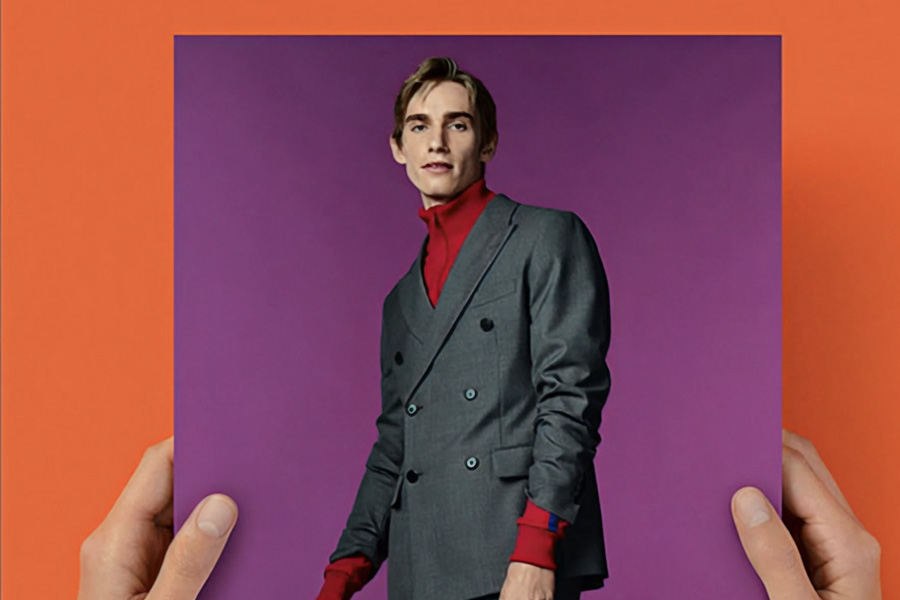
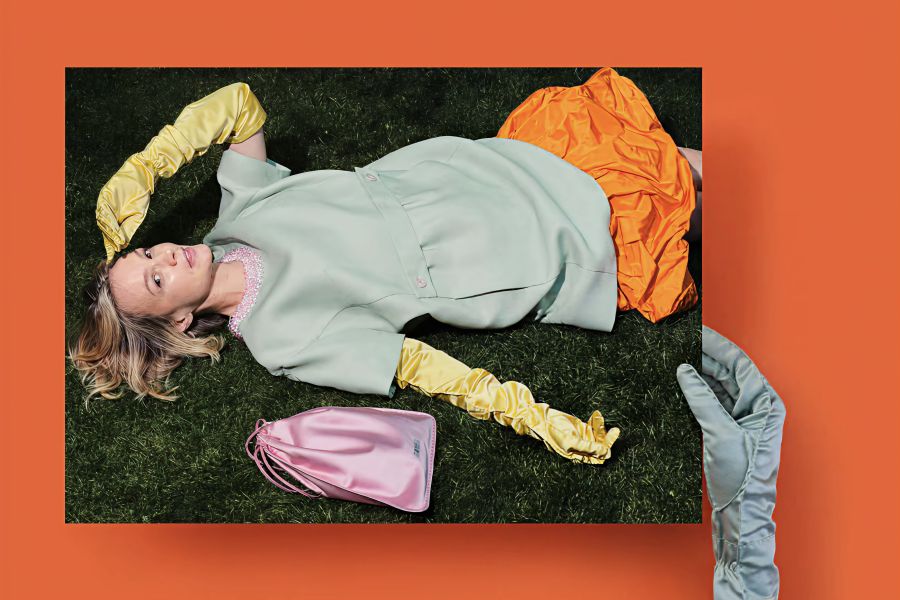
Created under the direction of Miuccia Prada and Raf Simons, the campaign is built on an intervention by American artist Anne Collier. Rather than presenting fashion imagery as a polished, untouchable surface, Collier introduces an unexpected intimacy. In a series of still life compositions, hands hold printed photographs of the collection, images captured by Oliver Hadlee Pearch. The result is both simple and quietly disruptive. The viewer is invited to consider the photograph not as a window, but as a physical artifact, something that can be held, examined and interpreted.
This is not merely a stylistic decision. It speaks to how Luxury Fashion Brands are adapting to a world where the traditional hierarchy of desire has shifted. In an era of endless scrolling, Prada suggests that true luxury is not louder visibility, but deeper contemplation. The campaign invites the 1 percent to look twice, to notice the mechanics behind the image, and to appreciate that the most powerful narratives today are often the most restrained.
The cast as cultural currency
Prada’s casting reinforces the campaign’s conceptual tone. The featured personalities include actors Levon Hawke, Nicholas Hoult, Damson Idris, Carey Mulligan and Hunter Schafer, alongside musician John Glacier and model Liu Wen. Each name carries its own cultural weight, but none overpower the message. The presence of these figures functions less as celebrity endorsement and more as a curated reflection of Prada’s intellectual world, where fashion intersects with cinema, art, and modern identity.
For UHNWIs, this matters. The 1 percent does not purchase purely for trend. They collect signals of cultural fluency. They invest in heritage, but they also invest in relevance. Luxury is increasingly tied to the ability of a house to remain credible in elite cultural circles, not only in boutiques.
This aligns with the broader reality shaping the high end market. While the global luxury sector has experienced uneven momentum, Ultra High Net Worth Individuals continue to sustain demand. Wealth X consistently highlights that UHNW clients represent a small fraction of the population but account for a disproportionate share of luxury spending, making them the true stabilizers of the industry. In other words, when aspirational buyers pause, the 1 percent continues to curate.
Why this campaign reflects the next era of luxury
What Prada achieves with Image of an Image is a reassertion of control. Not over the consumer, but over the narrative. The campaign examines desire as a system, asking the viewer to reflect on what they are looking at, and why. In doing so, Prada positions itself at the forefront of Luxury Fashion Brands that understand the new economy of attention.
The 2025 BCG x Altagamma insights point toward a luxury market where emotional value, cultural depth, and individuality matter more than traditional status signaling. This is exactly where Prada thrives. It does not compete for mass approval. It competes for long term relevance among those who shape taste quietly, privately, and globally.
Anne Collier’s framing makes the campaign feel almost archival, even though it is new. The image becomes collectible. The fashion becomes secondary to the idea. That is the kind of strategy that resonates with UHNW consumers who are increasingly shifting from conspicuous consumption to connoisseurship.
The message behind the medium
Prada’s long relationship with contemporary art is not new, but here it feels especially strategic. By placing the campaign inside a fine art lens, Prada makes a clear statement: fashion is not only product, it is perspective. And in the world of the 1 percent, perspective is often the rarest commodity.
For Luxury Fashion Brands, this is a blueprint. The future belongs to houses that can do more than sell objects. They must shape cultural meaning. They must offer intellectual distinction. They must remain timeless without becoming static.
Prada’s Spring/Summer 2026 campaign succeeds because it understands something essential about modern luxury: the most powerful image is not the one that demands attention, but the one that rewards it.
Share Now
LATEST
POPULAR