

Global Luxury Fashion Brands Navigate a Year of Stagnation as the Industry Moves Toward Recovery
The global luxury sector enters the final stretch of 2025 with a sense of cautious stability. After two years of volatility marked by shifting consumer sentiment and macroeconomic pressure, the luxury industry is closing the year at virtually the same level as 2024. While this plateau confirms a slowdown, it also signals the first signs of recovery in early 2026. For Luxury Fashion Brands and the world’s most affluent clientele, the landscape reveals both challenges and renewed opportunities.
According to the Bain and Altagamma Luxury Goods Worldwide Market Study, global consumer spending across all luxury segments will reach one point four four trillion euros this year. This figure reflects a narrow range of between one percent growth and one percent decline compared to 2024, but importantly, it establishes a base for the sequential improvement expected next year. Against this backdrop, the dynamics shaping luxury demand are changing rapidly.
Ultra wealth continues to anchor growth as aspirational spending fades
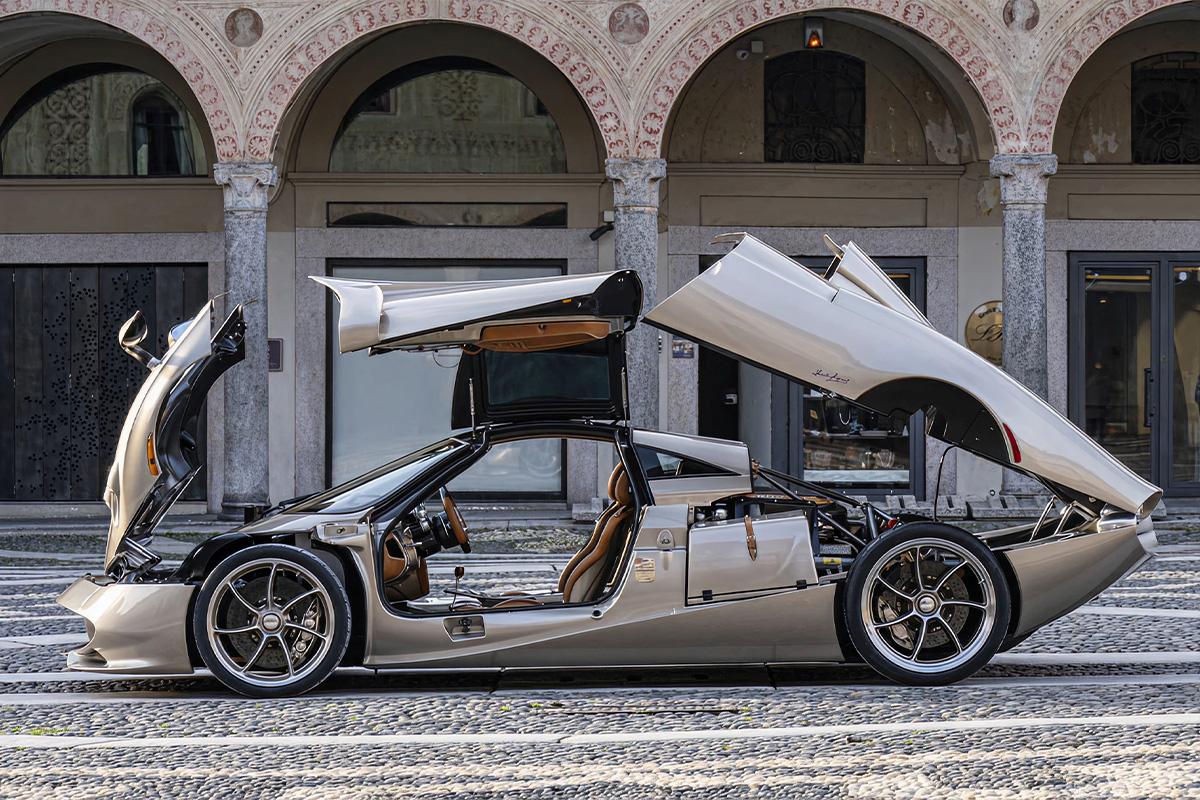
A defining theme of 2025 is the widening divide between the spending power of the ultra wealthy and the retreat of aspirational shoppers. UHNWIs, who now represent the most resilient and influential segment of global luxury consumption, continue to invest in high end goods, exclusive experiences and the world of Luxury Fashion Brands. Data across the sector shows that this elite audience remains largely unaffected by macroeconomic pressure and continues to drive the performance of the most prestigious maisons.
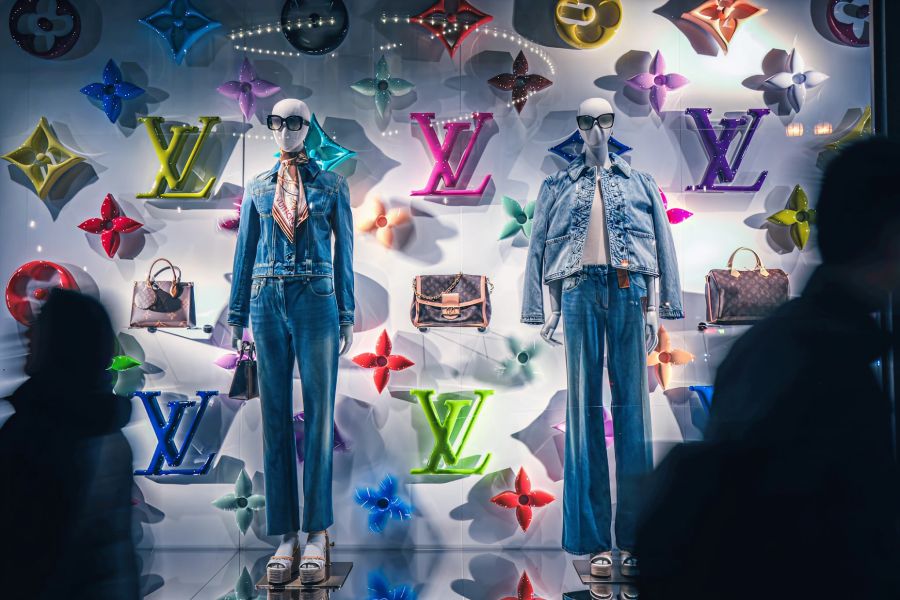
Meanwhile, aspirational consumers have reduced discretionary spending, compressing demand for traditional entry level luxury categories. This shift is visible across ready to wear fashion, leather goods and footwear, where competition from premium alternatives and sportswear has intensified.
This widening consumption gap aligns with broader UHNWI trends. Reports from Knight Frank and Wealth X have already shown that the global ultra wealthy population is expanding faster than any other wealth tier. With the top one percent expected to grow by twenty percent within five years, the center of gravity in luxury is increasingly moving toward this insulated, experience driven audience.
Experience over ownership reshapes the hierarchy of luxury spending
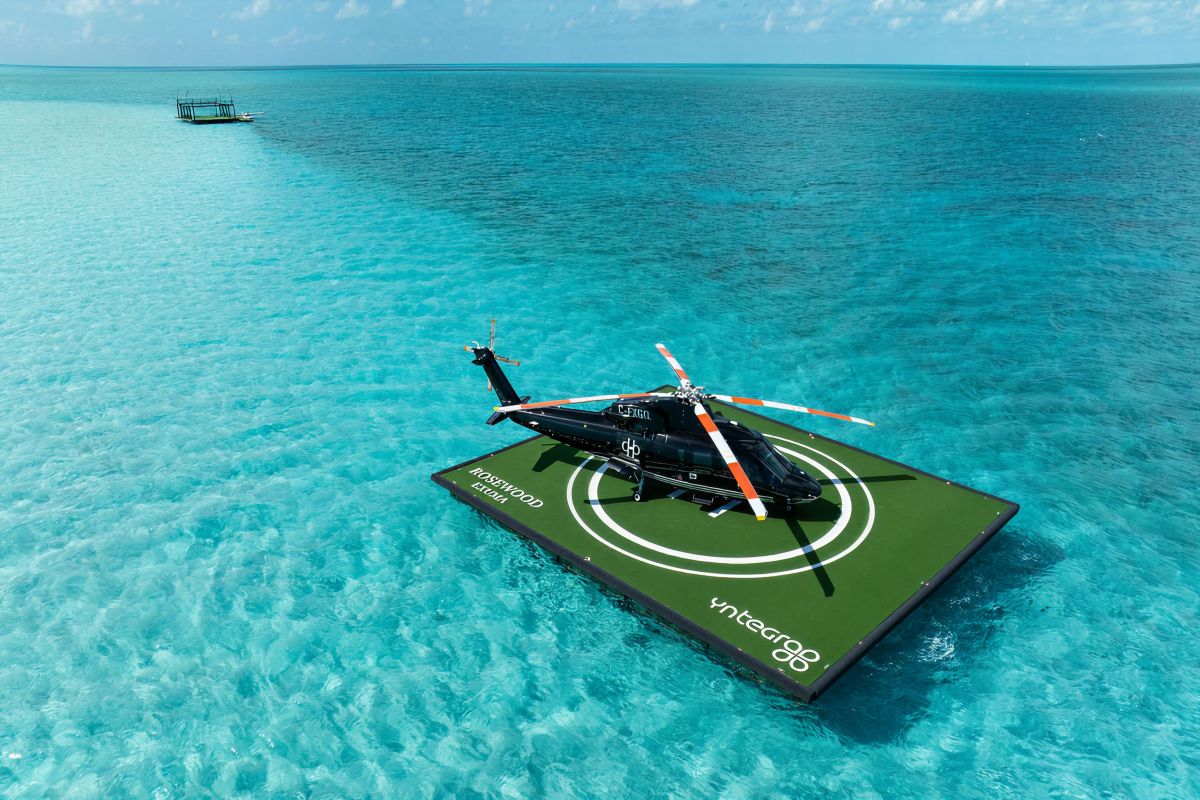
One of the most striking findings of the Bain and Altagamma report is the structural shift away from conspicuous consumption and toward experiential luxury. Gastronomy, immersive travel and wellness focused journeys are now outperforming some traditional product categories.
This shift reflects a deeper cultural evolution among affluent consumers. Status is no longer defined by accumulating objects but by curating experiences that create personal meaning, exclusivity and emotional reward. UHNWIs in particular are leading this trend, as they seek new ways to invest in time, connection and transformation.
While the personal luxury goods market is projected to close 2025 at three hundred fifty eight billion euros, nearly flat compared to last year, experiential categories continue to gain momentum and shape future opportunity for Luxury Fashion Brands.
Key category performance reveals a polarized market
The study highlights uneven growth across luxury categories, with clear winners and areas of recalibration.
- Jewelry leads global performance with expected expansion between four and six percent. The rise of customizable high jewelry, emotional symbolism and investment grade pieces keeps demand strong among UHNWIs.
- Eyewear continues to grow at two to four percent, supported by strong brand desirability and accessible pricing dynamics.
- Fragrance remains the fastest growing beauty subcategory, fueled by niche scent houses and the rise of bespoke perfumery.
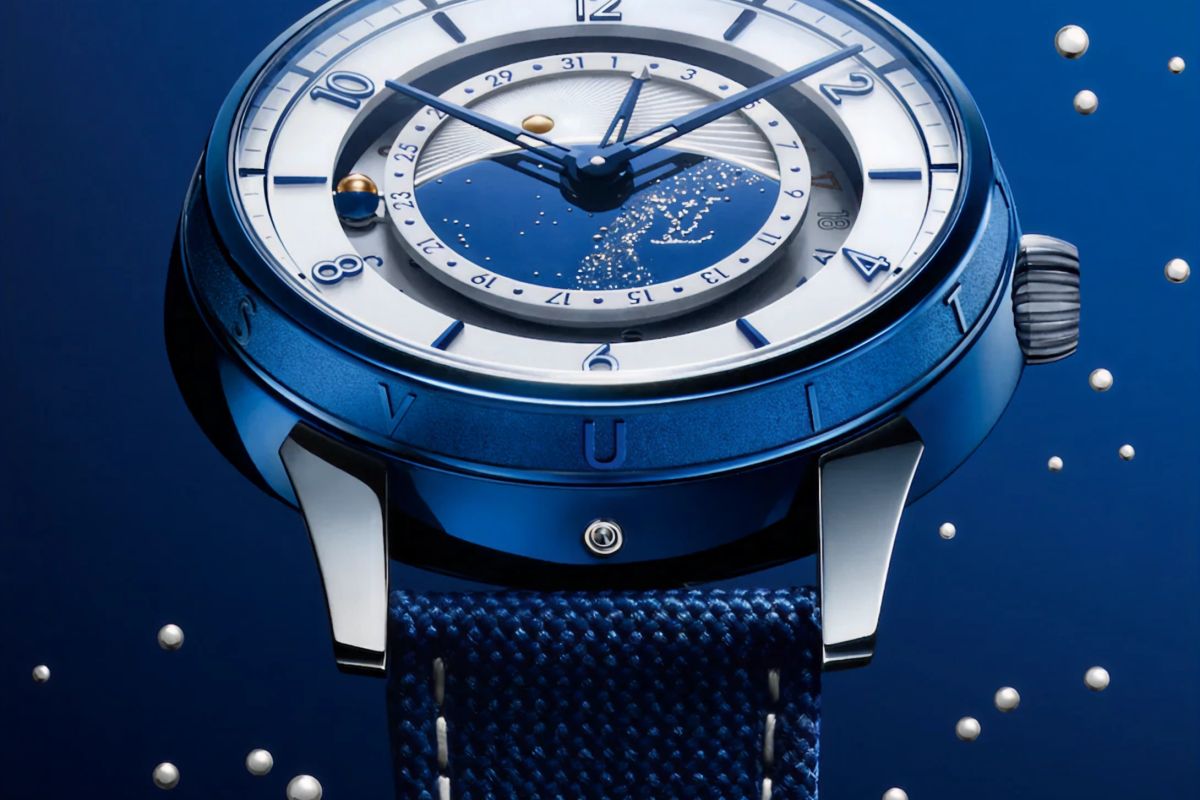
- The watch market is increasingly polarized. High end pieces perform well, while pricing pressure and tariffs support the resale market’s continued expansion.
- Apparel remains stable, driven by the ongoing success of accessible luxury brands that appeal to value conscious consumers.
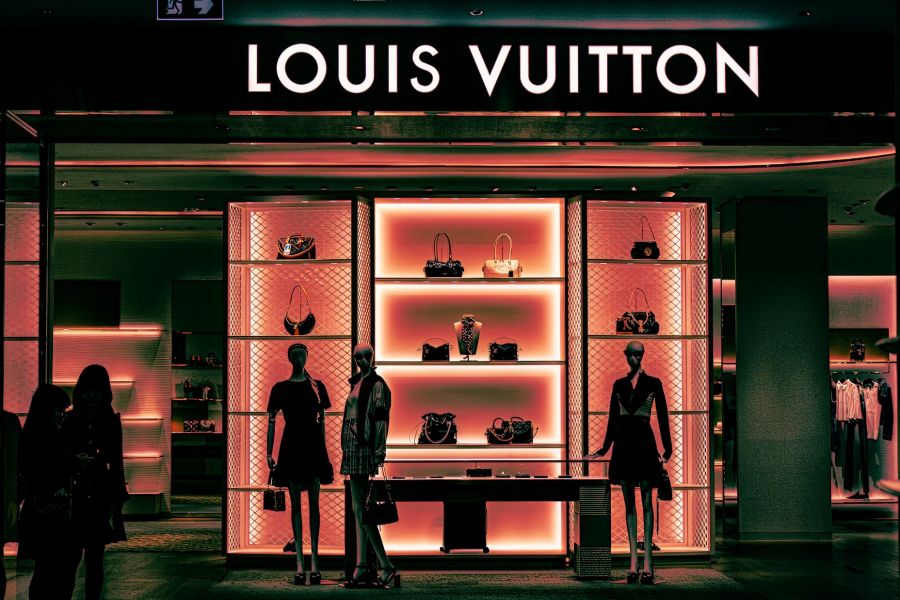
- Leather goods face stagnation, with fewer breakout products and the absence of new iconic bags.
- Footwear underperforms, affected by price sensitivity and competition from premium sportswear.
The recalibration of personal luxury underscores how crucial innovation, brand storytelling and cultural relevance have become for Luxury Fashion Brands aiming to capture future growth.
A maturing market prepares for renewed momentum
While 2025 has been a year of stabilization rather than acceleration, the foundations for recovery are already visible. UHNWIs remain the backbone of global demand and continue to increase their influence on the cultural and financial shape of the luxury world. The shift toward experiential luxury is creating new pathways for brands to expand their value proposition. And the personal luxury market, though flat, shows indicators of maturity rather than decline.
For the one percent, this transitional year marks the beginning of a new era. Luxury is evolving into a multidimensional ecosystem that blends craftsmanship, emotion, experience and identity. The brands that will thrive are those that embrace this evolution with creativity and strategic clarity.
Share Now
LATEST
POPULAR