Prada’s Enduring Vision: How Luxury Fashion Brands Balance Creativity and Heritage
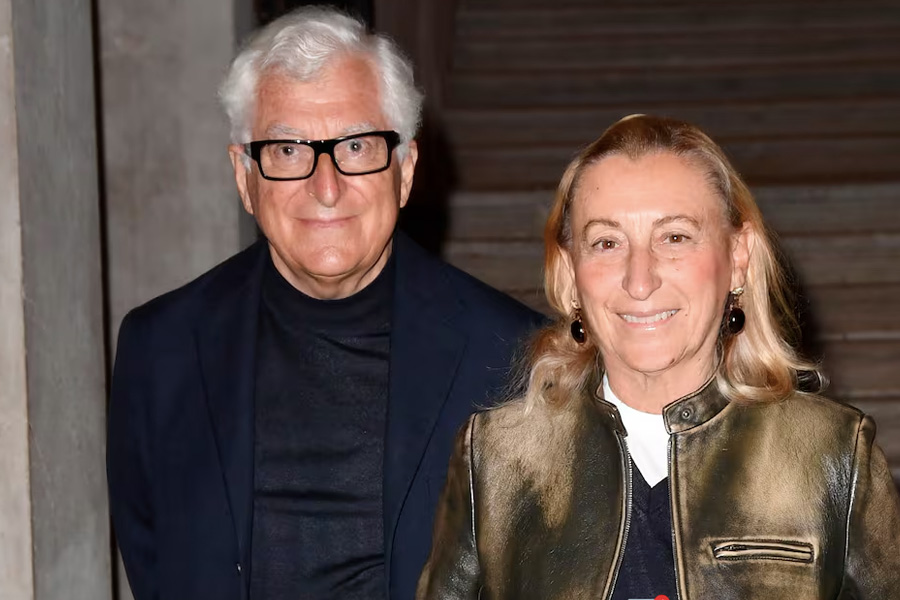
Luxury fashion brands are more than houses of design. They are cultural institutions shaping identity, heritage, and influence. Among them, Prada continues to stand as a symbol of intellectual depth and enduring creativity. Patrizio Bertelli, president of the Prada Group, recently reflected on the maison’s journey and its place in an era where Ultra High Net Worth Individuals, the 1%, are redefining the meaning of luxury.
From Origins to Global Powerhouse
Prada’s story began in 1978 when Miuccia Prada acquired Granello, which later became part of Prada SpA. What began as a playful exploration has grown into a group generating over €5.4 billion in revenue and recently acquiring Versace. Bertelli admits the early years were more experiment than enterprise, yet the maison’s focus on culture and creativity transformed it into one of the most influential luxury fashion brands.
Miuccia Prada as Cultural Force
Miuccia Prada is not only a designer but also a cultural figure. Her work reflects philosophy, art, and politics, giving Prada a dimension that resonates with UHNWIs who value more than aesthetics. According to the 2025 BCG x Altagamma report, top-tier clients represent just 0.1% of luxury consumers yet generate 37% of purchases, spending an average of €360,000 annually across fashion, hospitality, and design. Prada’s intellectual and creative positioning has made it an essential brand for this elite audience.
Defining Luxury for the 1%
For Bertelli, luxury is “an object with authentic content.” From Renaissance garments to modern couture, luxury has always been a reflection of human aspiration. Today, 90% of UHNWI clients demand quality and craftsmanship as a minimum standard, pushing brands to double down on artisanship. Prada continues to invest heavily in craftsmanship while adapting to global scrutiny over ethical practices tied to the Made in Italy label.
Crises, Resilience, and Growth
The Prada Group faced its share of challenges in the early 2000s. A planned stock market listing collapsed after the events of September 11, leaving the house with debt and forcing a shift toward self-financing. Today, Prada owns its factories, offices, and assets outright, ensuring both independence and financial stability. This long-term discipline appeals strongly to UHNW investors who value cultural prestige alongside financial resilience.
Versace and the Next Chapter
Prada’s acquisition of Versace underscores the group’s commitment to expanding its influence. Bertelli notes that true transformation requires time and warns against replacing creativity with marketing alone. For the 1%, creativity remains the ultimate currency of value, distinguishing luxury fashion brands from mass-market players. With Gen Z and Millennials set to control 60% of luxury spending by 2026, the ability to merge heritage with innovation will define future leadership.
The Prada Philosophy
At its core, Prada’s philosophy is not about quick wins but about relevance across generations. The maison’s dedication to creativity, cultural depth, and financial independence positions it as more than a fashion label. For the world’s wealthiest, Prada is a reminder that true luxury lies in authenticity and artistry, values that will continue to guide the house into its next era.