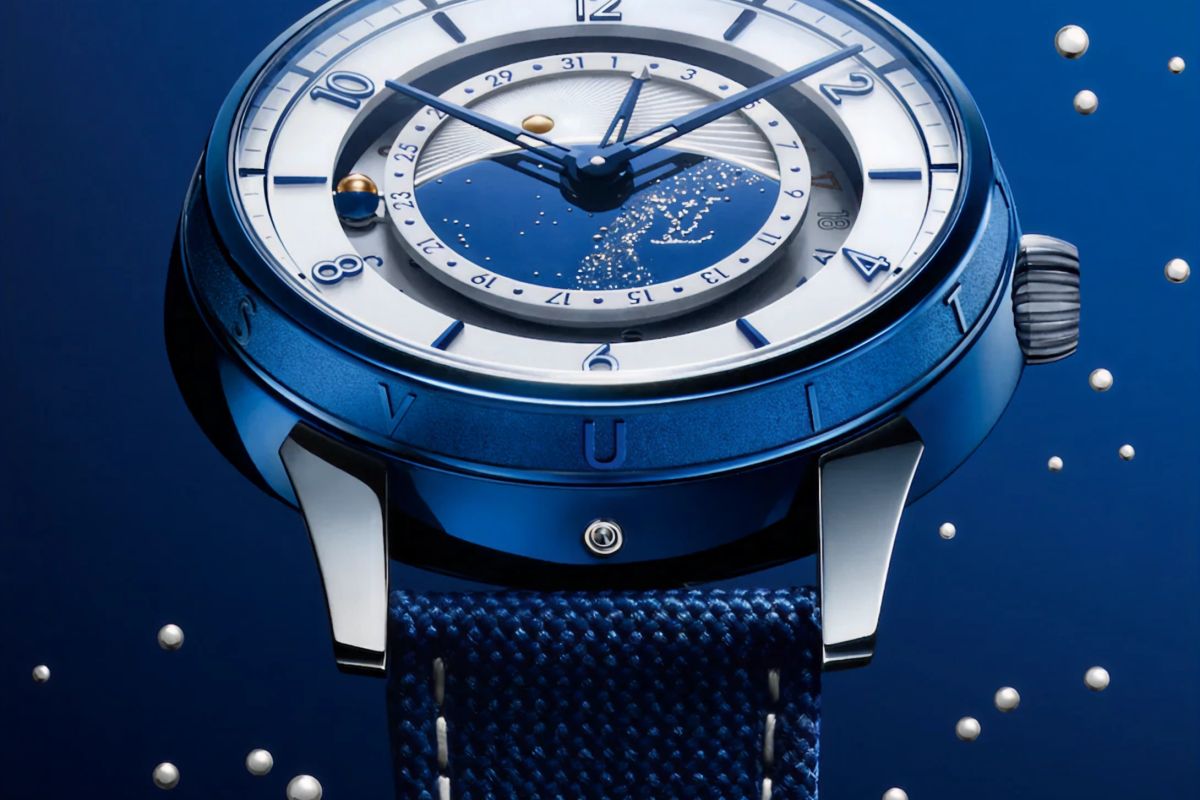


Virgil Abloh: The Codes Honors a Cultural Architect
Paris has unveiled a landmark tribute to one of the most influential voices in contemporary fashion.
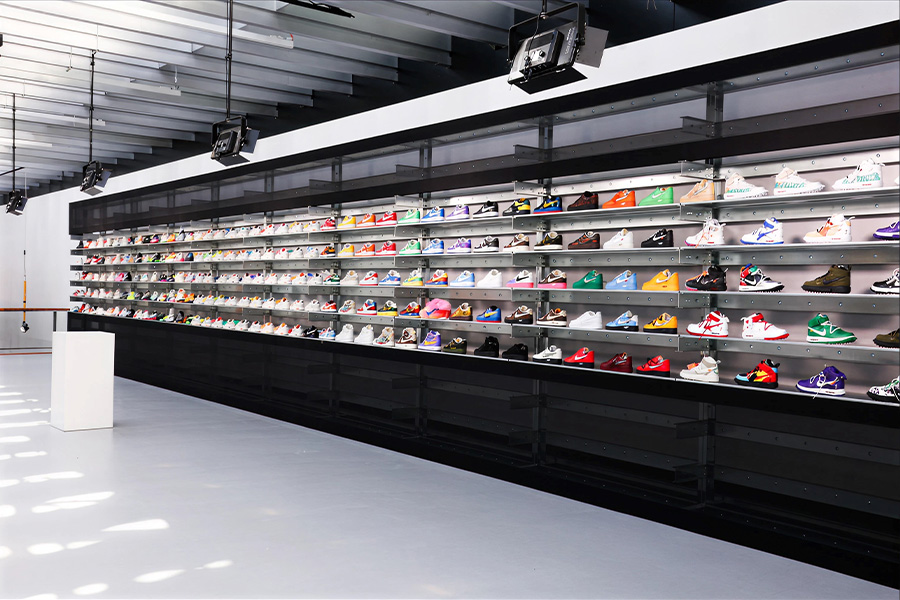
Virgil Abloh: The Codes, a major exhibition at the Grand Palais, honors the visionary designer whose creative reach extended far beyond clothing into art, architecture, music, and culture. Curated by Chloe and Mahfuz Sultan in partnership with Nike, the retrospective is a powerful reminder that Virgil Abloh was not only a designer but also a cultural architect who redefined the role of fashion in the twenty-first century.
This post explores the exhibition’s key themes, Abloh’s impact on luxury brands, and what his legacy means for the future of collectible culture.
A Legacy That Transcended Fashion
The exhibition brings together Abloh’s design principles, which he referred to as “codes,” across disciplines ranging from sneakers and streetwear to advertising, installations, and architectural concepts. His work consistently blurred boundaries, demonstrating how design can act as a language of social commentary and community building.
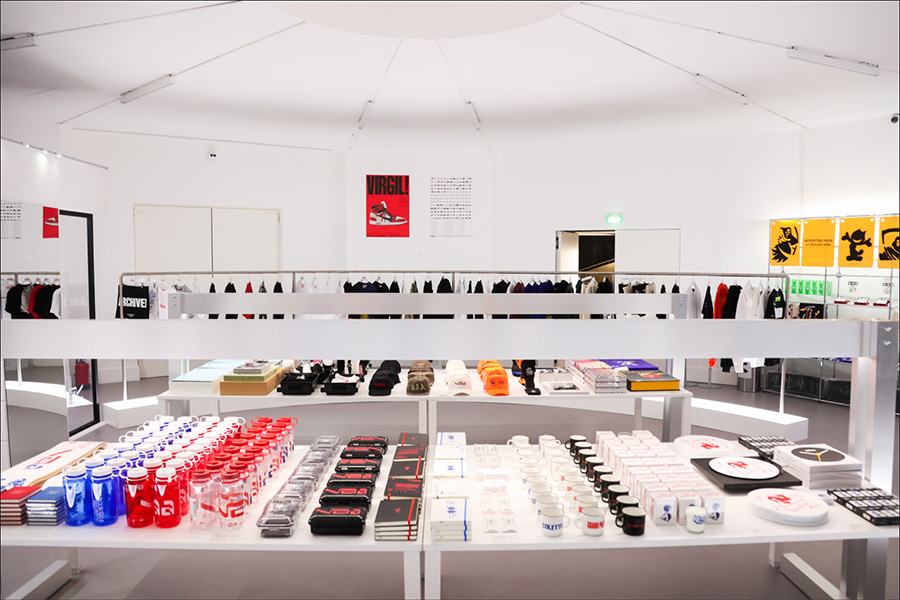
Highlights include collaborations with artists, musicians, and athletes, reflecting Abloh’s ethos of creative dialogue. The show also features Virgil Abloh: World’s Fair, a program of public workshops, talks, and DJ sets across Paris, extending his influence from gallery walls into the city itself. In a nostalgic yet forward-looking gesture, the legendary concept store Colette has been revived within the exhibition, showcasing new designs from Abloh’s collaborators and reissued iconic objects.
The Place of Abloh in Luxury Fashion
Virgil Abloh’s influence was profound not only for streetwear but also for luxury fashion brands at large. As artistic director of menswear at Louis Vuitton, Abloh was instrumental in reshaping how heritage houses engaged with younger generations and new markets. His approach unlocked new pathways for engagement with affluent Millennials and Gen Z, cohorts who are increasingly significant in luxury’s growth trajectory.
According to the 2025 BCG x Altagamma True Luxury report, Gen Z and Millennials will account for nearly 75 percent of luxury purchases by 2030. This growth is driven by values of inclusivity, collaboration, and cultural authenticity—principles embedded deeply in Abloh’s philosophy. For the world’s UHNWIs, who already represent more than one-third of global luxury spending, his work signaled a generational turning point: fashion as both an investment in cultural capital and a reflection of evolving global identities.
The 1% and the Future of Collectible Culture
For the 1%, exhibitions like The Codes underscore how luxury fashion brands increasingly operate at the nexus of art and commerce. Collectible sneakers designed by Abloh, such as the Off-White x Nike collaborations, have already achieved strong resale premiums. This trend further blurs the line between consumer goods and collectible assets.
Wealth-X data reveals that UHNWIs are expanding their spending beyond traditional luxury categories into cultural and creative assets. Art, fashion, and lifestyle experiences now account for a growing proportion of their annual discretionary spending, with personal identity and cultural relevance playing a critical role. Abloh’s body of work aligns perfectly with this trend, transforming everyday objects into cultural signifiers that resonate across generations.
An Exhibition for a New Era of Luxury
The Paris retrospective arrives at a moment when luxury fashion brands are under pressure to remain both culturally relevant and socially responsible. Abloh’s ability to democratize luxury while maintaining exclusivity has become a blueprint for how maisons can evolve. This is especially true in an era where UHNWIs value not only craftsmanship but also cultural storytelling and progressive ideals.
As the 1% continues to redefine what it means to live with distinction, exhibitions such as Virgil Abloh: The Codes are more than memorials. They are signposts pointing toward the next chapter of luxury. Abloh proved that design can be a global conversation, one that resonates as deeply with connoisseurs of art as with collectors of high fashion.
Conclusion
With this exhibition, Paris reaffirms Virgil Abloh’s place among the great cultural innovators of modern times. For UHNWIs, his legacy is a reminder that true luxury today extends beyond objects. It resides in ideas, collaborations, and the ability of a visionary to shape how we perceive culture itself. Abloh’s “codes” are not simply principles of design, but the language of a generation that luxury fashion brands must continue to embrace if they are to remain at the center of global culture.
Share Now
LATEST



POPULAR