

Beyond Adornment: The Timeless Resilience of Luxury Jewelry
In an era often defined by the ephemeral, there remains a quiet longing for the permanent. For the discerning few, true wealth is not merely a figure on a ledger; it is the curation of a life surrounded by artistry that withstands the passage of time. While global markets may oscillate with the unpredictable rhythms of modern economics, one sector stands as a bastion of stability and beauty: luxury jewelry.
Recent financial indicators from the world’s premier maisons suggest that the appetite for high jewelry is not just surviving but thriving. It is a signal that amidst volatility, the allure of rare stones and meticulous craftsmanship remains a steadfast anchor for the ultra-wealthy.
A Testament to Enduring Value
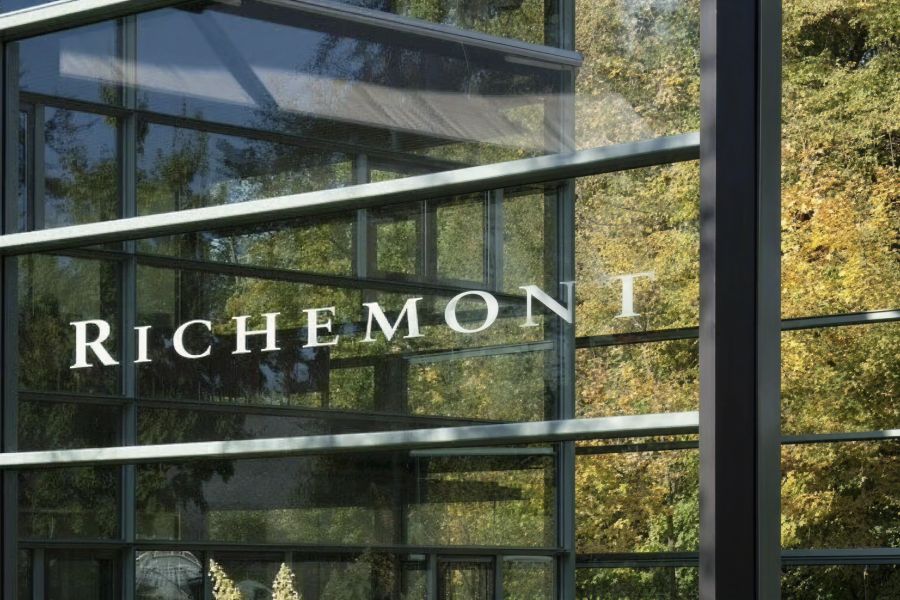
The financial world often speaks in cold, hard numbers, but occasionally, those numbers tell a story of romance and resilience. Richemont, the venerable guardian of iconic maisons such as Cartier, Van Cleef & Arpels, and Buccellati, recently unveiled a performance that speaks volumes about the current state of luxury.
For the six-month period ending in September 2025, the group reported sales of €10.6 billion. This represents a 10 percent rise at constant currency, a figure that commands respect in any economic climate. However, the true narrative lies deeper within the data. During the second quarter alone, luxury jewelry sales surged by an impressive 17 percent.
This is not merely consumerism; it is a affirmation of cultural importance. Even as macroeconomic winds blow cold across other sectors, the jewelry division posted an operating margin of 32.8 percent, securing €2.5 billion in operating profit. These figures serve as a testament to the sustained purchasing power of the world’s most affluent individuals. They reflect a continued commitment to brands that offer not just products, but pieces of history.
The 1% and the Pursuit of Legacy
Who drives this unyielding demand? It is a demographic defined by discernment and distinct capability. We refer to them as the 1%—a group whose influence shapes the very definition of luxury.
Recent data illuminates the growing scale of this elite circle. According to the BCG x Altagamma 2025 report, the ranks of Ultra High Net Worth Individuals (UHNWI) have swelled to over 5.6 million people globally. Together, they command a combined net worth exceeding $88 trillion. Yet, with such vast resources comes a complex challenge: where does one place value in a shifting world?
The answer increasingly points toward tangible assets with legacy value. The 1% are no longer satisfied with purely digital or paper investments. There is a profound psychological shift toward the portable, the discreet, and the enduring. Fine jewelry fits this desire perfectly. It is an asset that can be worn, enjoyed, and eventually passed down—a silent witness to family history.
As noted in a recent Bain & Company report, jewelry remains one of the most resilient categories in the luxury sector. While other verticals face saturation or shifting consumer sentiment, luxury jewelry sales are projected to grow by a steady 3–5 percent year-over-year. This stability is precisely what draws the ultra-wealthy, who view their collections as a sanctuary of value.
America’s Renaissance in High Jewelry
While the appreciation for fine jewelry is global, the United States has emerged as a particularly radiant stronghold. The American market is currently experiencing a renaissance of appreciation for European craftsmanship and heritage brands.
Richemont’s reports indicate double-digit sales growth in the Americas, a clear sign that affluent American consumers are leading the charge. This demand is centered on timeless craftsmanship and the acquisition of rare stones—pieces that transcend seasonal trends.
What is perhaps most telling is the market’s resistance to price sensitivity. Despite measured price increases and the introduction of new U.S. import duties on Swiss-made watches and gold-intensive products, the demand has not faltered. This lack of price elasticity reveals a crucial insight into the mindset of the 1%. For this audience, brand heritage, exclusivity, and the assurance of quality far outweigh pricing concerns. When the object in question is a masterpiece of human skill, the cost becomes secondary to the opportunity of stewardship.
The Tangible Asset: Where Art Meets Investment
For the elite few who move markets, luxury jewelry is a sensual expression of wealth, but it is also a strategic one. We are witnessing a period where the 1% are reassessing asset portfolios amidst economic uncertainty. In this reassessment, jewelry proves its dual status as both an adornment and an asset class.
The Knight Frank Luxury Investment Index provides compelling data to support this view. In 2024, high-value jewelry appreciated by an average of 5 percent. Pieces from heritage houses are fetching increasingly high sums at auction, reinforcing the wisdom of acquiring signed pieces from established maisons.
Whether it is the mesmerizing sparkle of a diamond rivière necklace or the sculptural elegance of a limited-edition Panthère de Cartier, the purchase is rarely impulsive. Today’s UHNWI buyer is a curator. They are building a portfolio of enduring beauty and long-term value. They understand that while currencies may fluctuate, the rarity of a D-flawless diamond or the provenance of a vintage Van Cleef & Arpels piece possesses an inherent value that is recognized globally.
The Intimacy of the Maison
The resilience of luxury jewelry is not accidental. It is the result of a meticulously crafted relationship between the artisan and the patron. Richemont’s strategy reveals the power of this connection.
More than 76 percent of the group’s sales were transacted via direct-to-client channels. This figure highlights the effectiveness of vertical integration, but more importantly, it speaks to the intimacy of the modern luxury experience. By controlling the customer journey—from the hushed quiet of the boutique to the creation of bespoke commissions—maisons cultivate deep, personal relationships with their elite clients.
This is not about retail; it is about trust. When a client commissions a high jewelry piece, they are entering into a dialogue with the brand’s history. Richemont’s robust financial position, with a net cash position of €6.5 billion, allows them to invest heavily in this relationship. It funds the preservation of rare crafts, the sourcing of exceptional gemstones, and the sustainability initiatives that align with the values of next-generation clients.
Conclusion
For the observer of global luxury, the message is unmistakable. Richemont’s performance is more than a report card for investors; it is a validation of a lifestyle that prizes permanence.
As discretionary spending tightens in less established sectors, luxury jewelry remains a sanctuary. It is the result of consistent investment in artistry, heritage storytelling, and customer intimacy—elements that the 1% seek as they navigate a world that often feels increasingly transient.
In the glow of gold and the fire of diamonds, we find a reminder that true luxury is timeless. It is a strategic asset, a personal legacy, and above all, an enduring celebration of the human capacity to create beauty.
Share Now
LATEST


POPULAR