

U.S. Luxury Jewelry: The Bright Spot When the Globe Hits Slowdown
In a world where tariffs loom, inflation bites, and global consumer sentiment wobbles, one region still shines for luxury jewelry: the United States. While many markets weather turbulence, U.S.
high-end consumption remains resilient—a crucial signal for the 1% who view luxury jewelry as both personal expression and strategic asset.
Why the U.S. Still Captures the Spotlight
The luxury jewelry and fine goods market is facing one of its most difficult cycles in over a decade. The U.S. continues to be a bright spot—even as spending decelerates globally and trade frictions build.
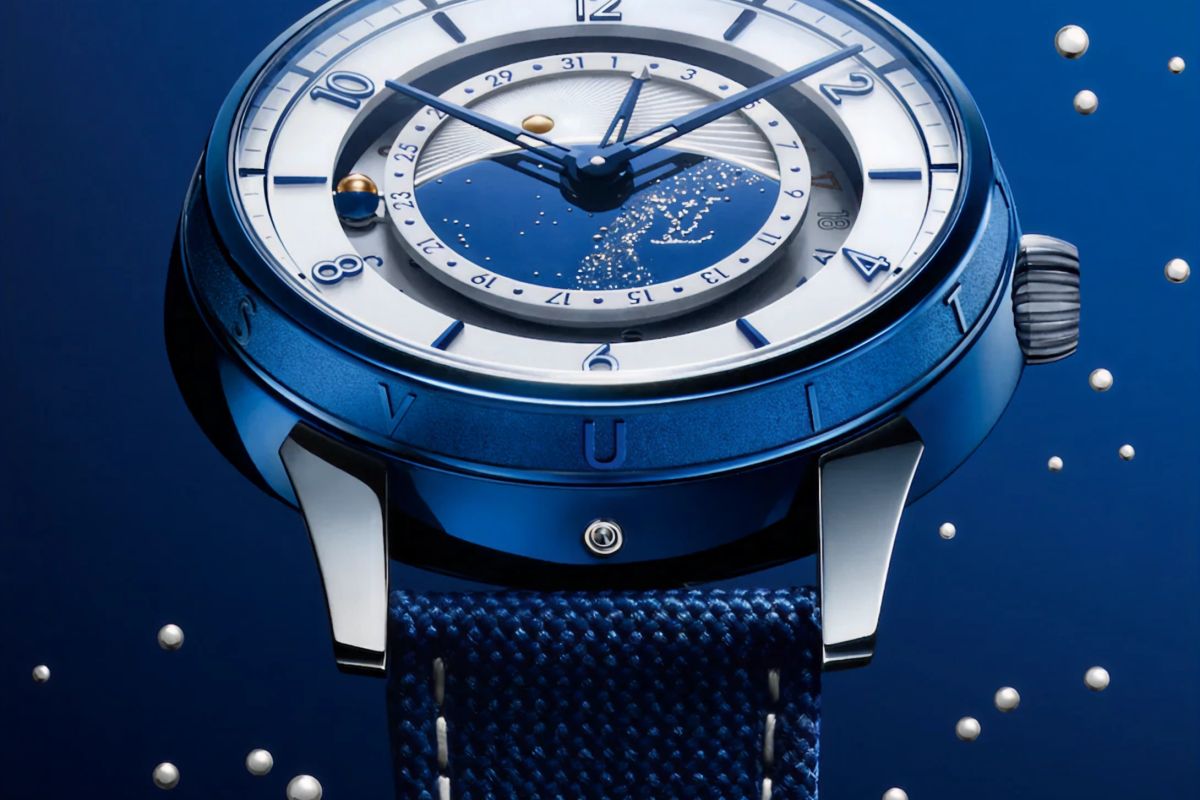
Consumer demand in the U.S. has largely held up. Summer spending on discretionary retail among affluent segments grew ~7% before slowing to ~4% in early September—largely driven by wealth accumulation, equity gains, and confidence among top earners. For the 1%, this matters: stable spending means premium categories like rare gemstones, bespoke high-jewelry and luxurious watches remain viable investments.
Tariffs Loom—but the Market Endures
Tariffs and protectionist policies have rattled many sectors. Luxury jewelry, heavily reliant on imported materials and craftsmanship, is not exempt. But despite an environment of uncertainty, U.S. buyers are still opening their wallets. While price sensitivity is emerging, the top-tier clientele remain insulated—reinforcing the notion of luxury jewelry not just as ornamentation, but as a durable store of value.
Luxury Jewelry as Investment Class
For the 1%, luxury jewelry is no longer simply decorative. With global UHNWIs (those with wealth above $30 million) numbering over 392,000 and commanding more than $42.4 trillion in assets, the strategic role of rare jewels continues to rise. These individuals seek assets that whisper legacy, scarcity and craftsmanship. Luxury jewelry fits that mold. Although global growth may slow, niche segments—exceptional stones, bespoke pieces, limited editions—often outperform.
Why U.S. Demand Matters Right Now
In Europe and China, luxury spending is looking more fragile. Tourists are spending less in Europe, and Chinese consumer tastes are shifting. In contrast, America’s wealthy remain actively engaged, making the U.S. a reliable base for prestige brands and elite collectors alike.
For luxury-jewelry collectors, this means timing, location and provenance matter. Buying in the U.S. not only taps into stable demand but also secures access to services, resale channels and market liquidity—factors critical when deploying jewelry as an asset.
What the 1% Should Focus On
- Provenance and rarity: Exceptional gems with unique origins continue to draw U.S. buyers, reinforcing long-term value.
- Brand strength in the U.S.: Jewellery houses with deep U.S. retail, servicing and legacy stand to benefit in this market-resilient environment.
- Portfolio diversification: With global headwinds, U.S.-based holdings in luxury jewelry help balance geographic and currency risk.
- Timing and access: When U.S. demand remains strong, early access to limited pieces and U.S. releases matters—both for enjoyment and future value.
Conclusion: An Opportunity in the Midst of Uncertainty
While the global luxury industry navigates its slowest phase in years, the United States stands out as a haven. For the 1% investing in luxury jewelry, this insight changes how strategy is shaped. The U.S. offers a stable platform, robust demand and a home market for premium pieces. In other words, when the world slows down, America offers luxury jewelry collectors one thing they value most: confidence.
The message is clear—luxury jewellery is not just about shine. It’s about timing, geography and the right market. And right now, U.S. demand makes all the difference.
Share Now
LATEST



POPULAR