

Why Asia’s New Elite Is Redefining the Future of the Luxury Private Jet Market
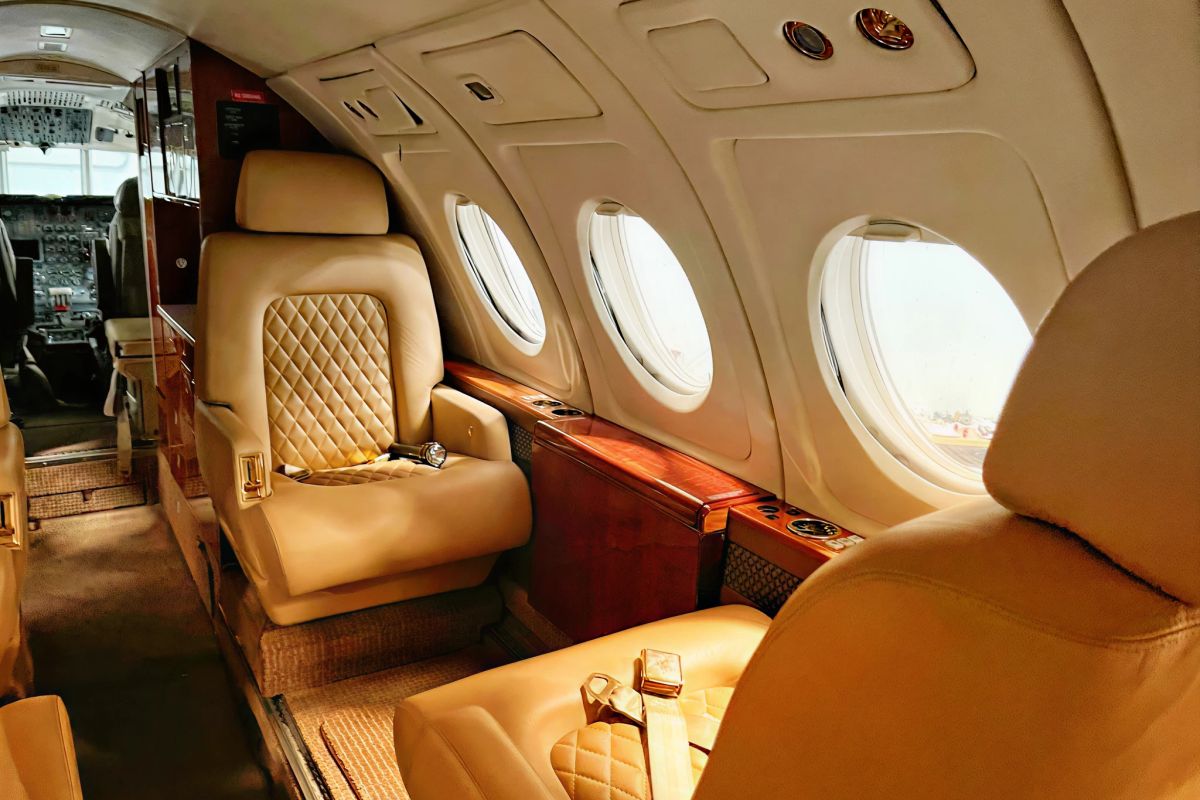
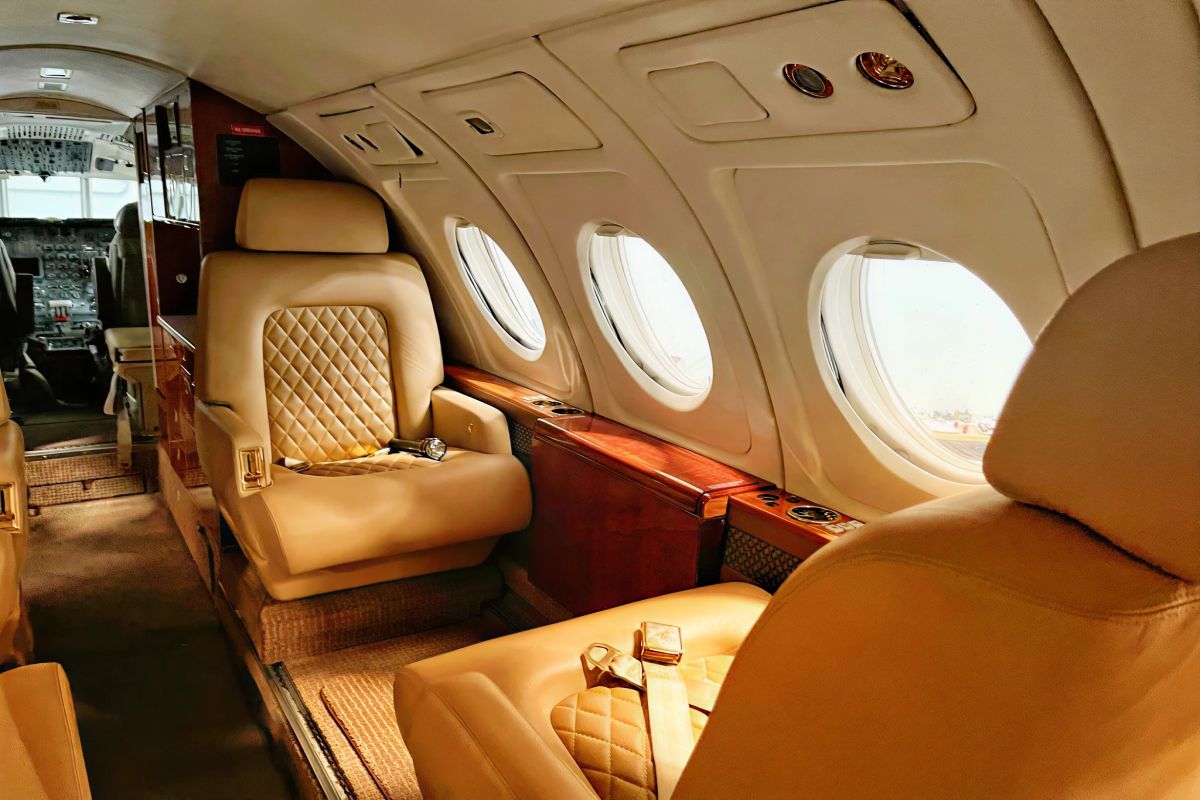
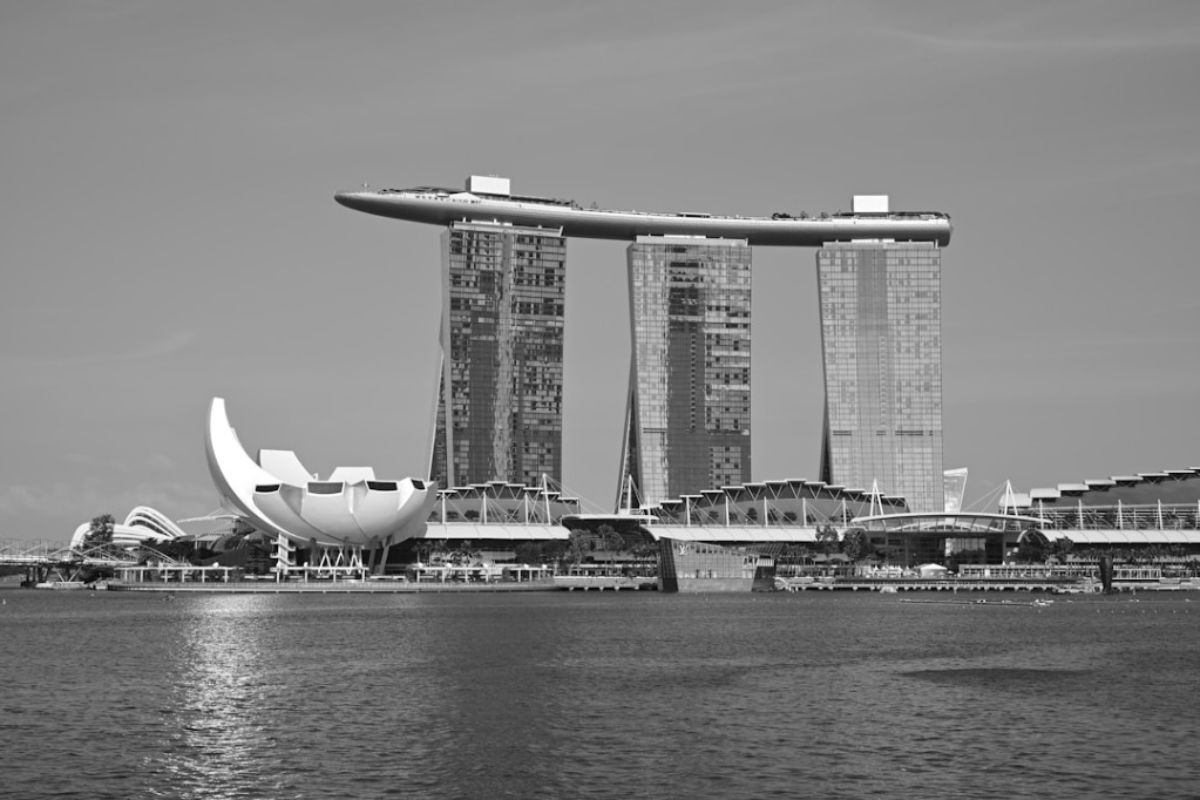
At this year’s Singapore Airshow, the most telling queues were not around commercial airliners or defense platforms. They formed quietly beside ultra long range business aircraft, where founders, family office executives, and corporate leaders stepped inside cabins designed less as transport and more as private residences in the sky.
This is not spectacle. It is structural capital movement.
The luxury private jet sector has entered a new growth phase, and Asia Pacific is becoming one of its most important theaters.
The Wealth Engine Behind the Surge
Between 2020 and 2025, the global population of Ultra High Net Worth Individuals expanded dramatically. Independent wealth intelligence data shows that the number of individuals with assets exceeding 30 million dollars has grown by more than 70 percent in that period. Asia accounts for a significant share of that acceleration, particularly in India, Southeast Asia, and selective corridors of Greater China.
At the same time, global private jet activity has reached record levels. In 2025, more than 3.8 million private jet flights were recorded worldwide, surpassing previous highs set during the post pandemic surge. That represents sustained growth rather than a temporary anomaly.
When capital compounds, mobility requirements compound with it.
For the 1%, a luxury private jet is not an indulgence. It is infrastructure.
Asia Pacific as the New Strategic Corridor
Asia Pacific is geographically vast and economically fragmented. Business leaders often operate across multiple jurisdictions in a single week. Commercial aviation, while improving, cannot always match the flexibility required by multinational entrepreneurs and global family offices.
Ultra long range aircraft capable of flying nonstop between Asia, Europe, the Middle East, and North America are increasingly central to this equation. Aircraft manufacturers report strong regional demand for larger cabin jets that reduce stopovers and compress travel time.
Time arbitrage is one of the most valuable assets in high level decision making. A luxury private jet eliminates connection risk, minimizes fatigue, and protects confidentiality during cross border negotiations.
For executives whose businesses span continents, that advantage is material.
The Rise of First Generation Wealth
The profile of the private aviation client in Asia is evolving.
The traditional base of industrial dynasties and property magnates is now joined by technology founders, artificial intelligence entrepreneurs, digital platform builders, and electric mobility pioneers. Many are in their thirties and forties. Most operate globally from inception.
These individuals value speed, privacy, and control. They are digitally fluent and operationally demanding. They are also less interested in overt opulence and more focused on performance.
Manufacturers are responding accordingly. Cabin design emphasizes wellness, lower cabin altitude, advanced air filtration, and acoustic refinement. Efficiency and range are now marketed as aggressively as aesthetics.
The modern luxury private jet in Asia is defined by capability, not excess.
The Corporate Shift
Corporate use of business aircraft is also expanding. As companies extend operations across Asia Pacific and into Western markets, executives require direct routing to secondary cities that are underserved by commercial airlines.
Industry surveys show that roughly 20 percent of global operators now have at least one aircraft on firm order, an increase from previous years. This signals forward confidence rather than reactive purchasing.
Unlike commercial airlines, which often operate on profit margins of two to four percent, business jet manufacturers generate significant revenue from high value aircraft sales and long term support programs. This financial model incentivizes continuous innovation in performance and sustainability.
For the 1%, that translates into more advanced fleets entering service at a faster pace.
Sustainability and Efficiency
Environmental scrutiny remains part of the conversation. However, manufacturers are investing heavily in fuel efficiency and sustainable aviation fuel compatibility.
New generation aircraft are achieving meaningful reductions in fuel burn compared with prior models, in some cases by more than 30 percent for comparable missions. The ability to operate with higher blends of sustainable aviation fuel is expanding, even as supply remains constrained.
For Ultra High Net Worth Individuals managing global portfolios that increasingly incorporate ESG considerations, operational efficiency matters.
A luxury private jet that combines range, performance, and improved environmental metrics aligns with a broader capital strategy.
The Numbers Still Favor the United States
It is important to recognize scale. The United States still accounts for roughly 70 percent of the global business aviation fleet. Asia Pacific remains a smaller share of total aircraft in operation.
Yet growth rates tell a different story. International traffic in Asia Pacific has been outpacing global averages. Premium demand remains elevated compared with pre pandemic levels. New aircraft deliveries into Southeast Asia, India, and Australasia continue to rise.
Emerging markets do not need to dominate global share to influence global direction. They only need to grow faster.
The Long View for the 1%
The expansion of luxury private jet demand in Asia is not about aspiration. It is about structural shifts in wealth creation and geographic power.
As more Ultra High Net Worth Individuals emerge from technology, energy transition, and advanced manufacturing sectors across Asia, mobility becomes a strategic lever.
The luxury private jet is evolving into a tool of global integration. It connects capital hubs. It accelerates decision cycles. It protects privacy in an era of digital exposure.
For the 1%, the question is no longer whether private aviation makes sense.
The question is how to deploy it most effectively as part of a long term global strategy.
Share Now
LATEST


POPULAR