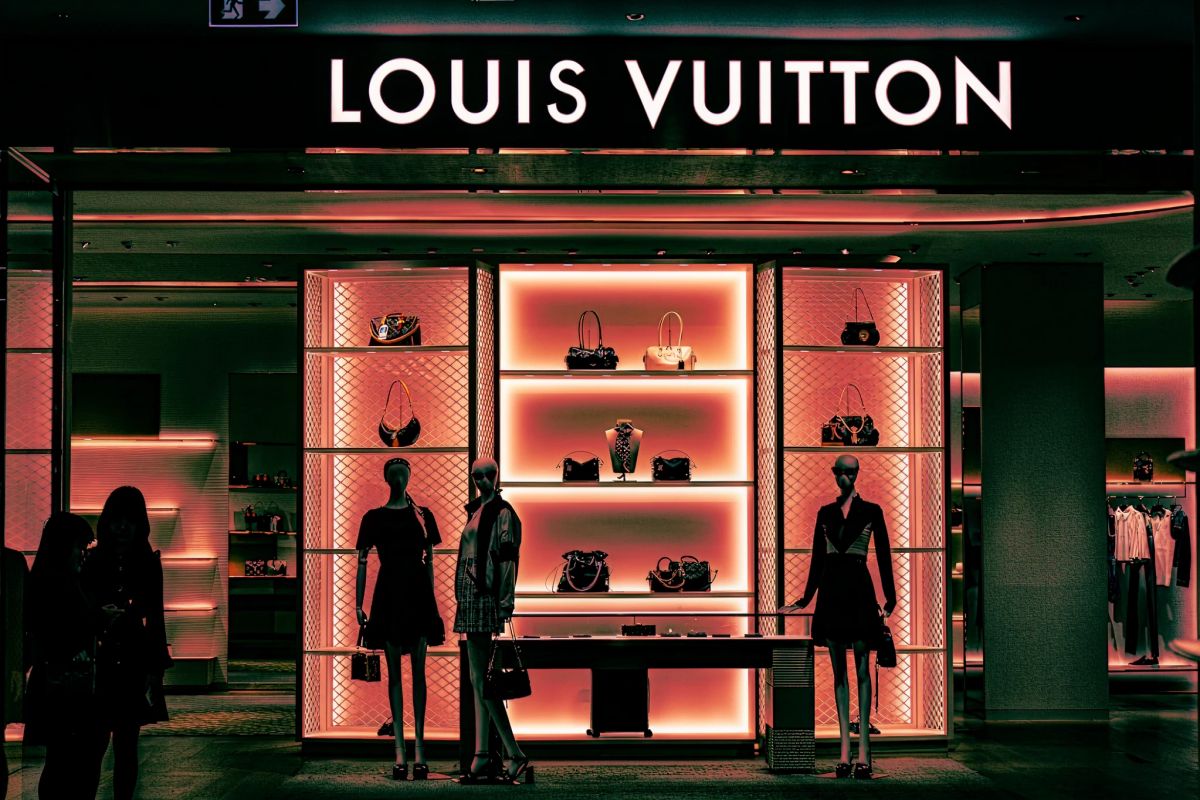


LVMH’s Potential $1 Billion Sale of Marc Jacobs: A Shift in the Luxury Landscape
Luxury powerhouse LVMH is reportedly exploring the sale of Marc Jacobs, a storied maison within its portfolio, for an estimated $1 billion. This move, if finalized, would signify not only a monumental deal but also a broader transformation in the way the world’s largest luxury group calibrates its strategy.
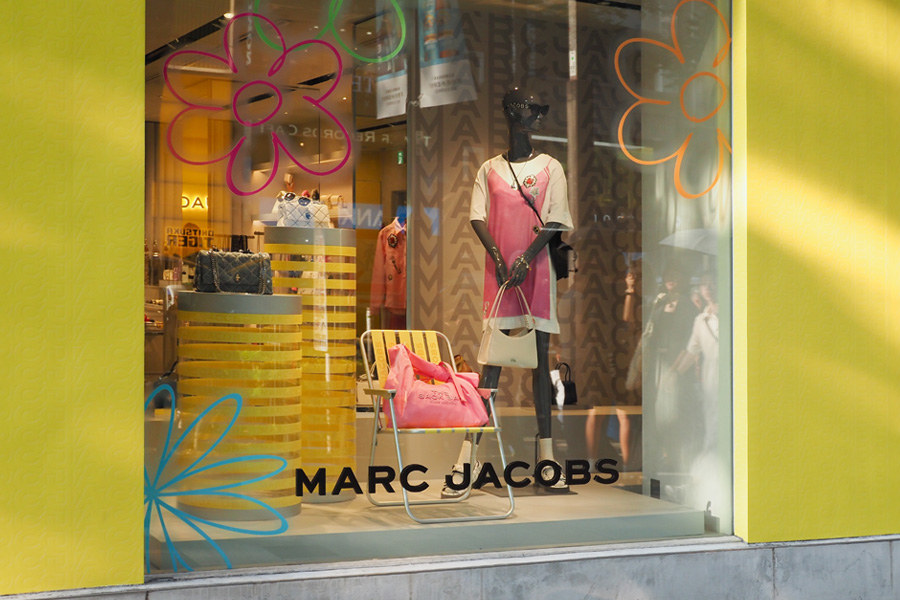
At the core of this potential transaction lies a reimagination of how LVMH defines performance and focus within its architectonic empire-a pivot driven by the evolving aspirations of ultra-high-net-worth individuals (UHNWIs) and an unrelenting pursuit of refinement.
A $1 Billion Question
Marc Jacobs, celebrated for its elegant yet eclectic designs, has been a treasured creative asset in LVMH’s portfolio since the late 1990s. The brand carved out a distinct identity, merging youthful exuberance with high-fashion sophistication. However, as rumors of the sale emerge, questions arise about how Marc Jacobs fits into LVMH’s future ambitions.
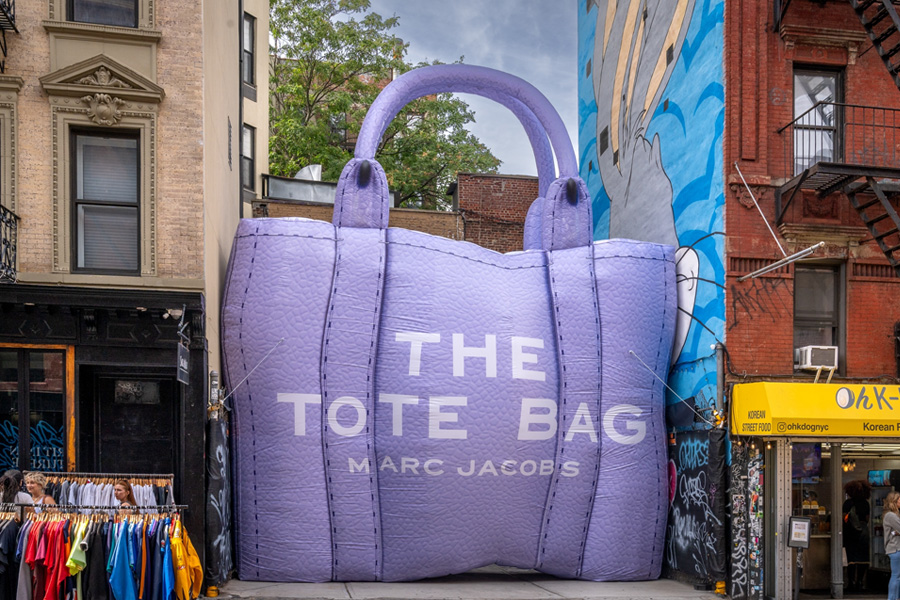
The $1 billion valuation is emblematic of the brand’s legacy, yet it also illustrates a potential divergence from LVMH’s recent emphasis on high-growth maisons. Over the past decade, LVMH has doubled down on its best-performing assets, a strategy evident in its significant investments across divisions such as Louis Vuitton, Christian Dior, and Tiffany & Co.
The Rise of Performance-Focused Portfolios
If Marc Jacobs transitions to new ownership, it would align seamlessly with LVMH’s sharpened focus on refining its portfolio around high-performing maisons. The group has shown increasing interest in brands that dominate their categories, innovate at scale, and solidify leadership in their respective markets.
This evolving ethos reflects a strategic recalibration—not a retreat—shaped by consumer preferences among UHNWIs. Today’s luxury brands thrive not merely on heritage but on their ability to anticipate and elevate lived experiences. It’s not enough to represent luxury; they must define worlds that only a select few inhabit.
The Role of UHNWIs in Redefining Luxury
The pivot toward tailoring portfolios underscores LVMH’s deeper understanding of ultra-high-net-worth individuals. These discerning clients, who anchor the luxury segment, are not just consumers but patrons of a lifestyle rich in storytelling, exclusivity, and meaning.
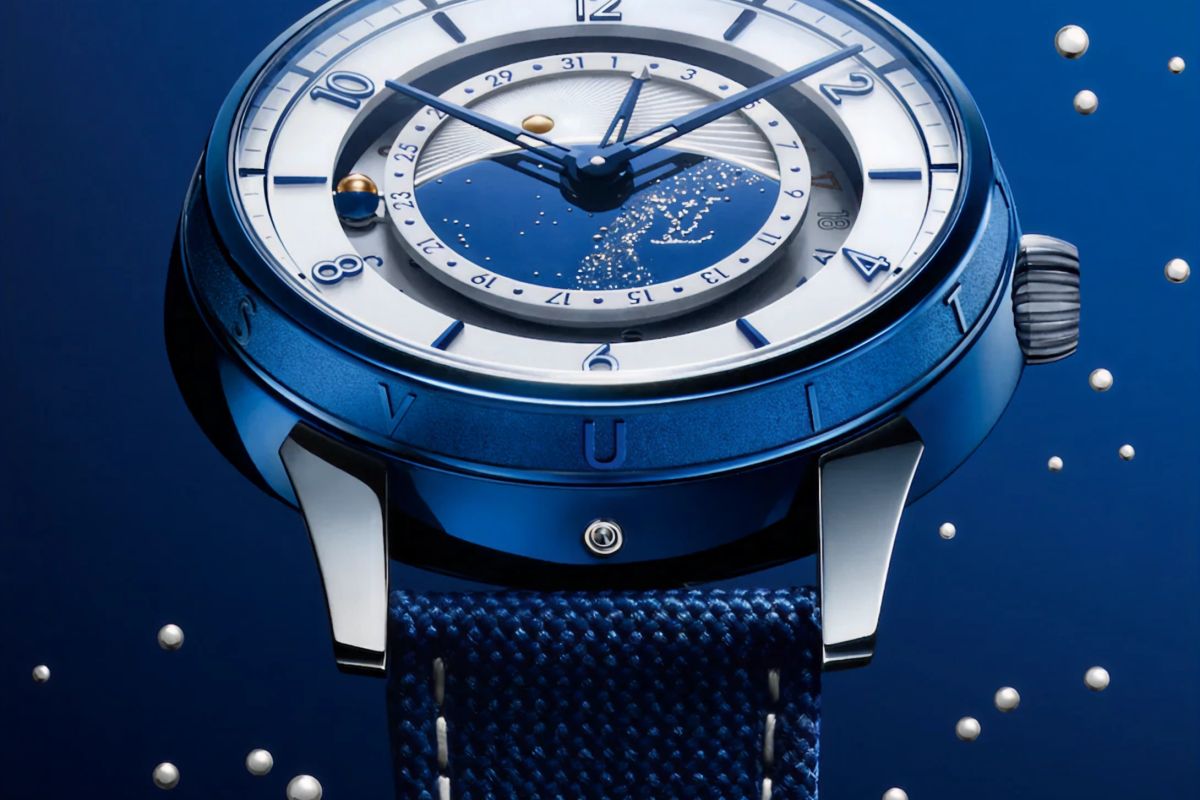
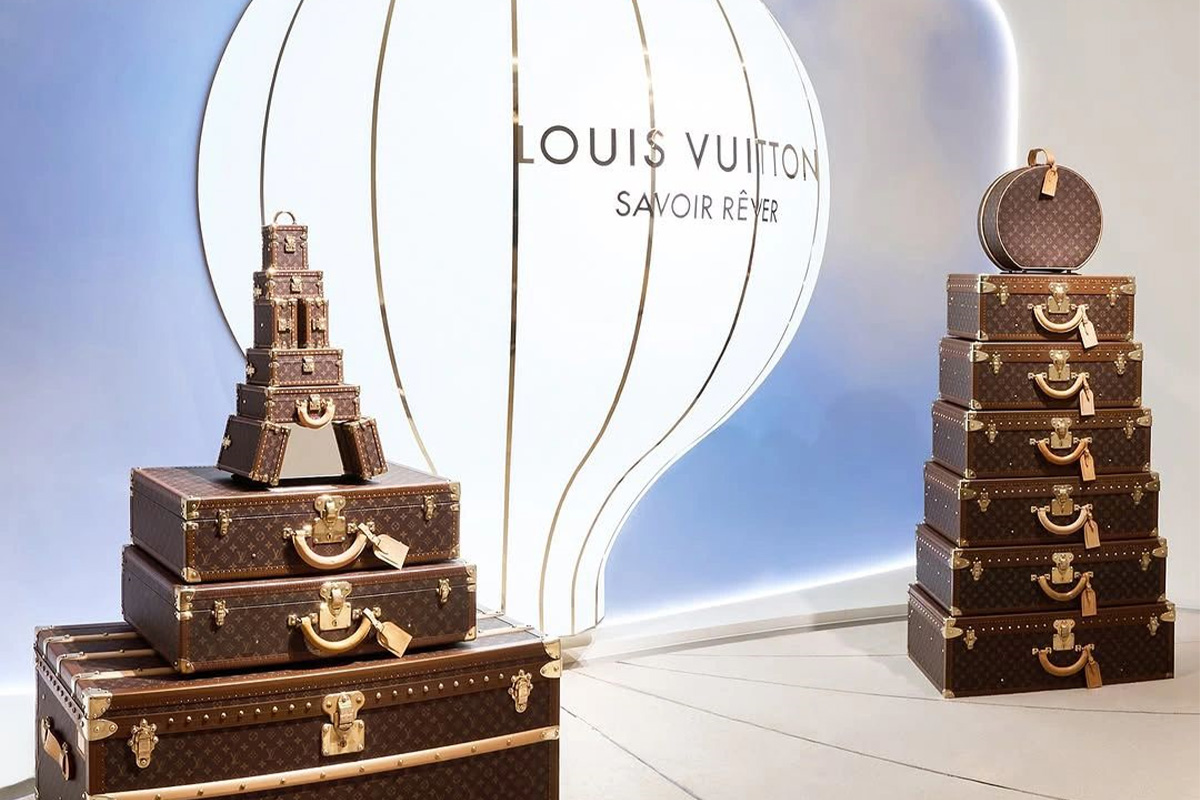
Marc Jacobs may represent youthfulness and charm, but in a landscape where UHNWIs favor time-honored craftsmanship, there’s growing pressure for luxury conglomerates to invest in thoroughly elevated brands. An exquisite leather trunk handcrafted in Paris or a timepiece imbued with generational artistry holds unmatched resonance in their realm of desire-objects that transcend commerce to attain an intimacy with legacy. This drive for the extraordinary ensures that luxury brands looking toward the future adopt both modern appeal and historical permanence.
A Glimpse at Rumored Buyers
Though no official buyers have stepped forward, whispers within the industry suggest that potential suitors are likely to include private equity firms or other fashion conglomerates seeking to either reinvigorate or incorporate the Marc Jacobs maison into a fresh narrative.
Private equity typically crafts avenues for reinvestment and revitalization. Depending on the direction, this could lead to a renaissance for Marc Jacobs, one that integrates renewed creative visions while still respecting the ethos that has defined the house for decades. Alternately, a competing luxury conglomerate might seek to use Marc Jacobs as a springboard to target emerging audiences without sacrificing aspirational status.
Implications for the Broader Luxury Market
Should LVMH finalize this sale, it would ripple beyond the immediate transaction. It would signal an undeniable trend of streamlining portfolios in favor of resource allocation toward brands that promise growth, exclusivity, and legend-like status.
Further, it hints at a dynamic segmentation of the market. While some brands pivot toward niche, boundary-pushing orientations, others build cathedrals of timeless indulgence—offering less breadth but exacting precision. Both paths are valid, though each illustrates a different definition of success in today’s luxury economy. Lastly, for Marc Jacobs itself, such a sale could usher in a new chapter. What stakeholders, creatives, and clients will keenly watch is whether this transition will evolve its potential without dimming its iconic verve.
The Future of Exclusivity
Ultimately, the rumored sale underscores how an empire like LVMH calibrates to meet not just the moment but what lies beyond it. For the one percent of the one percent, luxury is less about excess and more about deeply personal narratives, beautifully crafted legacies, and their place within them.
Should this sale materialize, it will mark both an end and a beginning-an elegant, perhaps poetic reminder of the ceaseless artistry that is the heart of true luxury.
Share Now
LATEST
POPULAR