Takashi Murakami and Louis Vuitton Elevate Art Basel Paris with a Whimsical Octopus and a Cultural Milestone
In the vaulted majesty of the Grand Palais, Art Basel Paris welcomed something more than another installation.
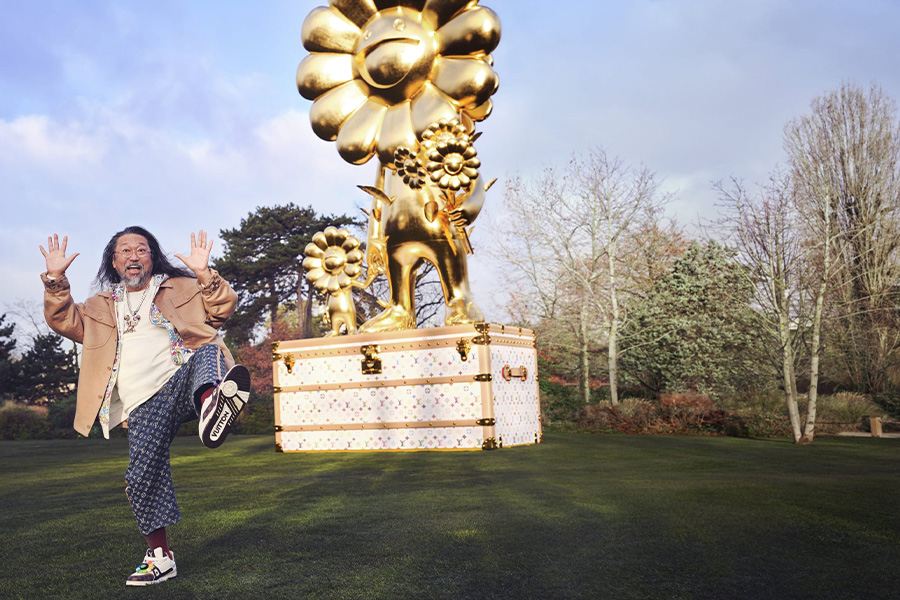
It unveiled a vision. Towering eight meters above the Balcon d’Honneur, Takashi Murakami’s surreal marine creature—an octopus stitched with joy, memory, and luxury—greeted visitors in a spectacular convergence of fashion and art. At its core: the seventh chapter of Louis Vuitton’s Artycapucines collection.
For the 1 percent, this was not simply a moment to admire—it was a moment to invest in legacy. Art is no longer just collected. It is worn, embodied, and celebrated across disciplines. And with UHNWIs driving nearly $4.3 trillion in global wealth, according to the Knight Frank 2025 report, their evolving relationship with fine art is reshaping culture itself.
Louis Vuitton’s Artistic Reawakening
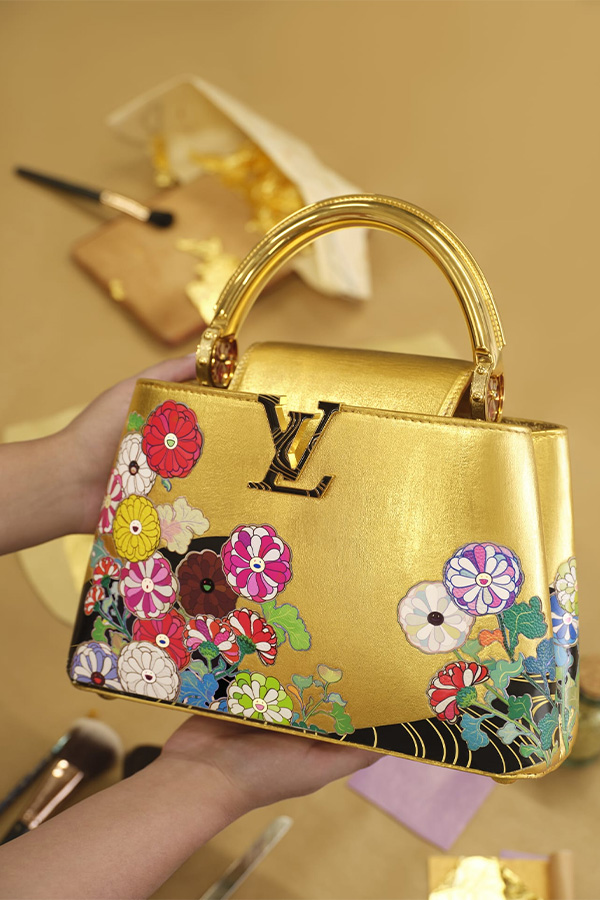
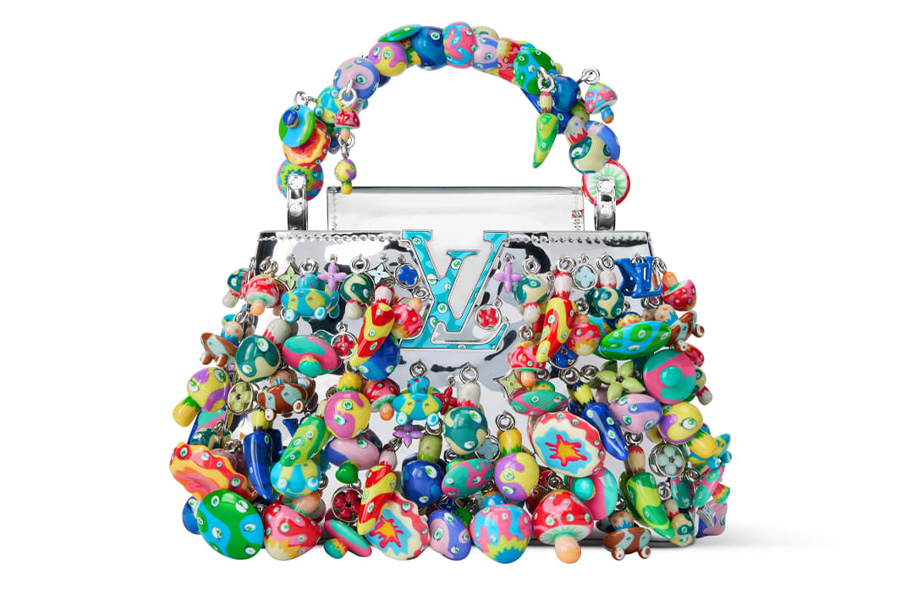
As an Associate Partner of Art Basel Paris for the third year running, Louis Vuitton continues to shape the fair’s aesthetic evolution with bold collaborations. This year, their dialogue with Takashi Murakami deepens with Artycapucines VII—a collection of 11 handcrafted handbags transformed into kinetic icons of color, imagination, and cultural hybridity.
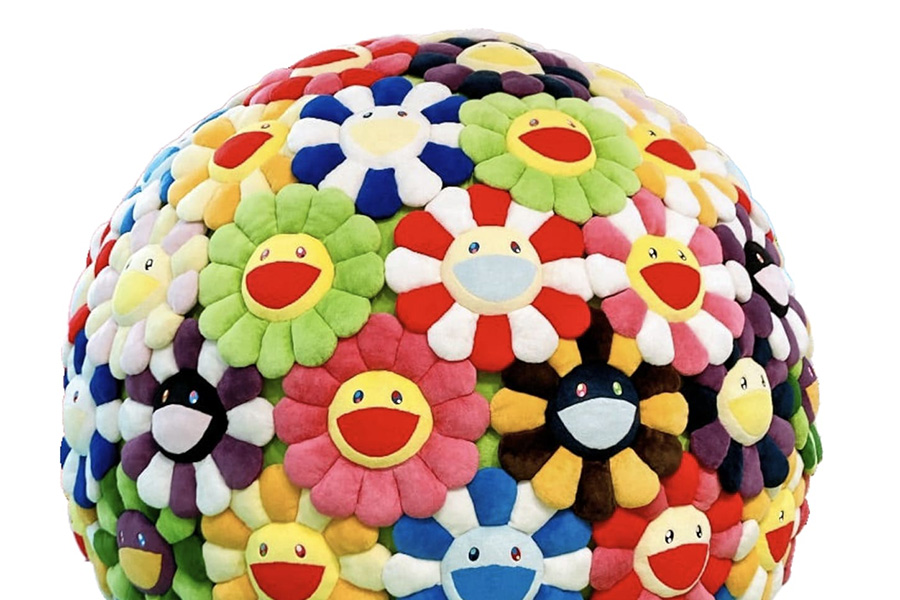
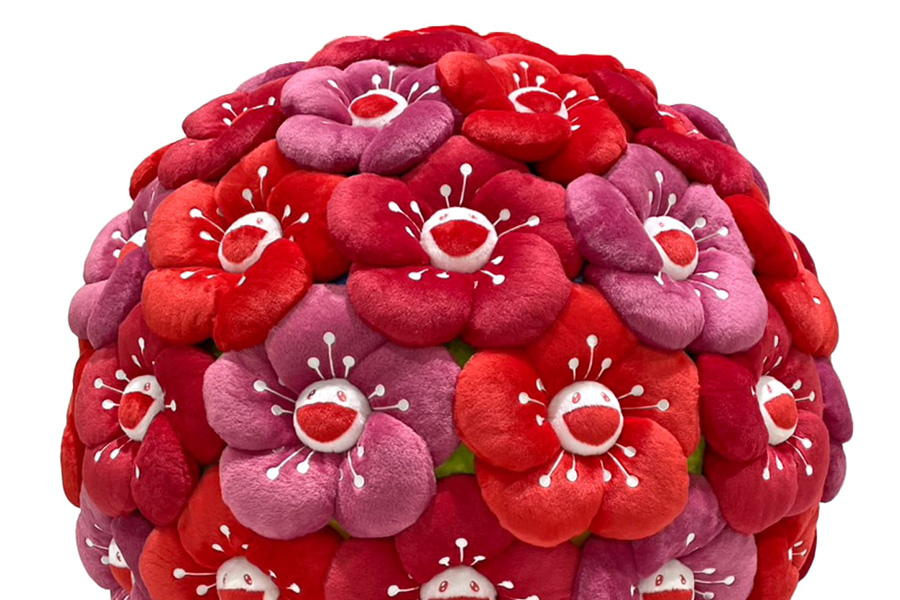
Murakami’s marine-themed installation unfolds like a fever dream: dragons, pandas, flowers, and mushrooms cascade across the floor, a fantastical environment enveloping guests in a universe at once whimsical and philosophical. The Superflat movement—Murakami’s signature concept merging Japanese manga, pop art, and French decorative sensibilities—serves as the collection’s artistic and emotional foundation.
The Artist as Entrepreneur of the New Age
Born in 1962 and trained in Nihonga painting before earning a PhD in 1993, Murakami has blurred the lines between pop and fine art for over three decades. His early admiration for Andy Warhol and his engagement with Japonisme have led to an artistic language that feels both scholarly and commercial, reverent and irreverent.
Murakami’s work—often misunderstood by critics—resonates deeply with UHNW collectors because it embodies a luxury of vision, not just of value. He was among the first to transform the artist’s studio into a full-scale production model. His company, Kaikai Kiki Co., not only supports emerging artists but operates across fine art, fashion, and merchandise—an entrepreneurial framework that echoes the strategic structures of family offices and investment holdings embraced by today’s elite.
A Cultural Partnership That Transcends Fashion
Murakami’s collaboration with Louis Vuitton dates back to 2002, when Marc Jacobs commissioned him to reimagine the Maison’s iconic Monogram canvas. What followed was one of the most influential crossovers in contemporary fashion and art, culminating in a 13-year collaboration that reshaped how luxury brands engage with culture.
The partnership’s legacy is undeniable. Today, the artist’s work resides in permanent collections at the Centre Pompidou and Fondation Louis Vuitton, and the ripple effect of his partnership has inspired similar ventures with Yayoi Kusama, Richard Prince, and Sol LeWitt.
At the Intersection of Art Basel and the Global Collector Class
Art Basel Paris is rapidly becoming a continental epicenter of cultural capital, offering UHNWIs a canvas for influence, not just acquisition. With 43 percent of global art market sales still centered in the United States, the rise of Paris as a prestige art destination signifies a broadening of power—a trend UHNW collectors are watching with keen interest.
What Murakami offers here is more than an artwork—it is a story of confluence: of Japanese myth, French refinement, commercial futurism, and abstract expression. While not strictly abstract art, his sculptural language speaks to the same sensibility—layered, emotional, gestural—positioning him within a market where younger UHNWIs increasingly seek narrative and cultural depth in their acquisitions.
Why It Matters to the One Percent
For the 1 percent, investing in a Murakami x Louis Vuitton piece is not just a lifestyle statement—it’s a form of cultural patronage. It signals a belief in art that transcends galleries, an embrace of playfulness as a form of power, and a commitment to supporting visionaries who redefine the role of the artist in the modern world.
The octopus, that joyful titan of the Grand Palais, does more than greet. It gestures forward—toward a new age of collecting where art becomes immersive, democratic, and alive.