

Old Money: Timeless Elegance Redefining Quiet Luxury
Amid a world obsessed with visibility, conspicuous branding, and fleeting digital approval, a more refined, enduring form of luxury is quietly asserting itself. Known as the Old Money aesthetic, this is far more than a mere trend. It is a philosophy, an inheritance, and for the ultra-affluent, an instinctual expression of generations spent crafting a life of distinction.
A Heritage Beyond Wealth
Old Money signifies more than financial prosperity; it reflects a rare amalgamation of legacy, influence, and cultural refinement passed down through time. Names like Rockefellers, Astors, and Vanderbilts in the United States, or the aristocratic dynasties of France and England, come to mind. These families epitomize not just wealth, but deeply rooted traditions and an attachment to understated elegance.
Today’s Ultra High Net Worth Individuals (UHNWIs)—a group of over 395,000 globally in 2025, each with net worths starting at $30 million—are finding their values increasingly aligned with these principles. Rather than ostentation, they now gravitate towards authenticity, discretion, and timeless style, values that define Old Money.
Quiet Luxury in Fashion
Far removed from the seasonal highs and lows of fashion trends, Old Money attire exudes permanence. Generational brands like Brunello Cucinelli, Loro Piana, Hermès, and Valextra deliver craftsmanship so impeccable it only whispers its quality. Silhouettes and materials transcend momentary fads, offering a sartorial language of restraint and sophistication.
For men, the archetype is simple yet profound—well-cut navy blazers, Oxford shirts, and luxurious cashmere knitwear create the foundation of a quietly elegant wardrobe. Women find grace in silk blouses, tailored wool coats, and flowing trousers. The palette is deliberate; muted, often monochromatic tones dominate.
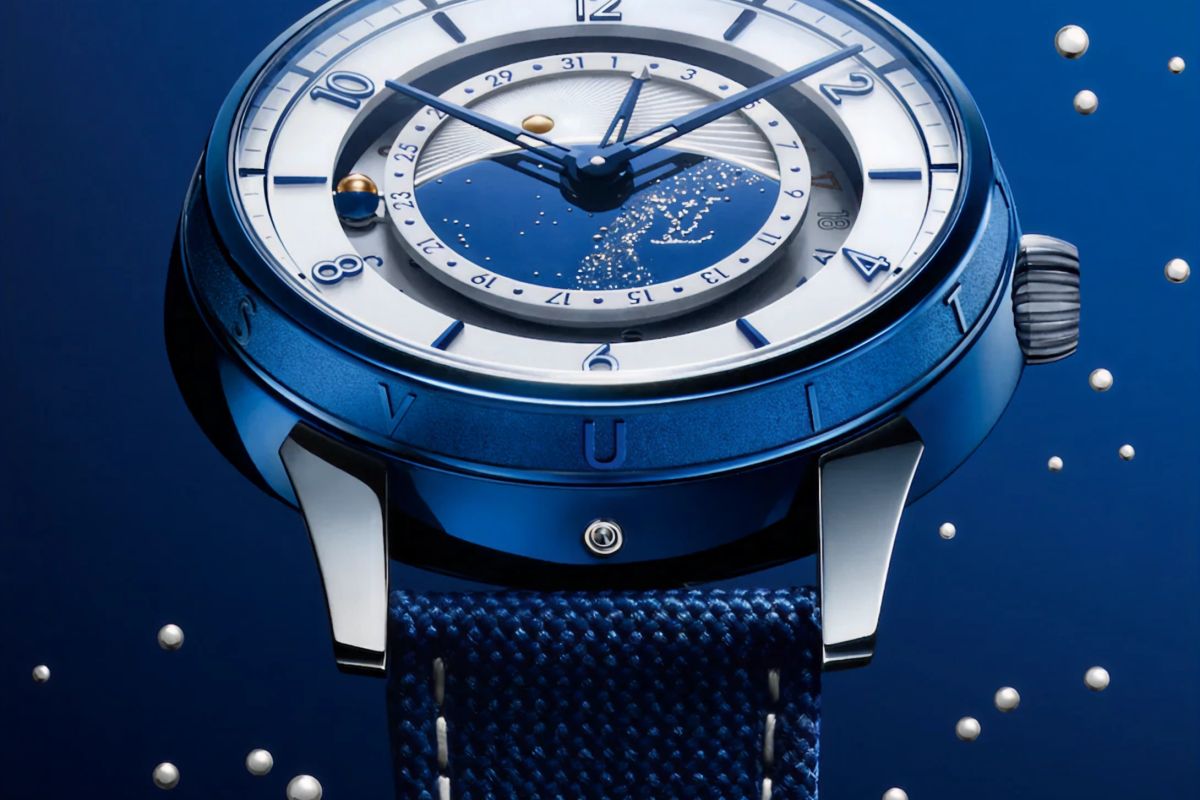
Equally telling are the accessories. These are not statement pieces meant to draw attention, but tokens of heritage and taste. Watches by Patek Philippe or vintage Cartier, discreetly structured handbags, and heirloom jewelry worn with nonchalance all mark the wearer as belonging to the discerning few.
This shift in values is not merely anecdotal. Data points to an 11% faster growth rate for logo-free premium fashion brands compared to louder, trend-driven luxury items, reflecting a sea change in UHNWIs’ preferences. Increasingly, understated detail carries more significance than overt display.
Old Money as a Broader Lifestyle
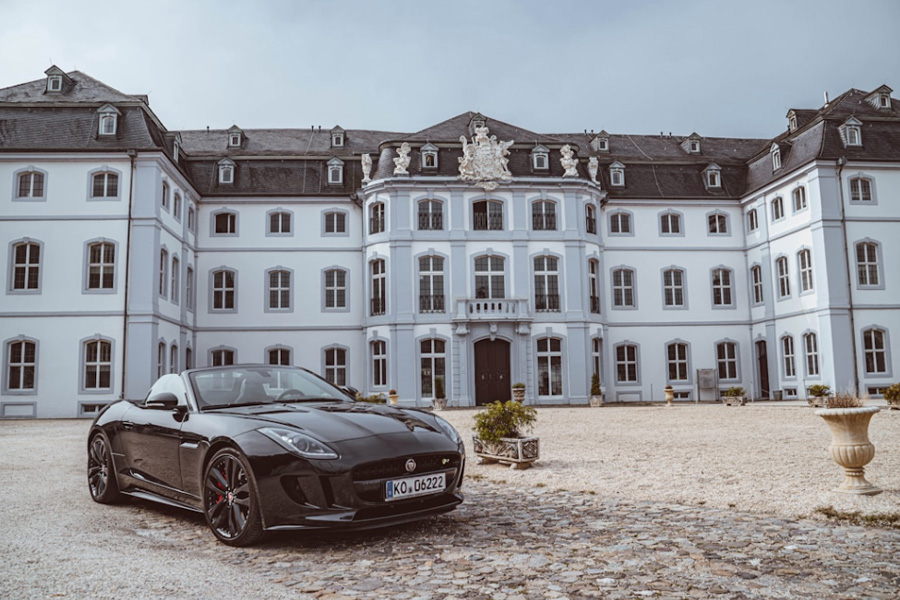
To truly align with an Old Money ethos, dressing isn’t enough—the philosophy must extend into daily living. Residences are crucial; sprawling, glass-filled structures may dazzle the masses, but their temporariness is antithetical to inherited wealth. Instead, heritage homes—estates that preserve a family’s history—stand as hallmarks of legacy. Restorations on ancestral properties or purchases of centuries-old countryside villas speak louder than new builds.
Leisure pursuits further cement these ideals. Rather than publicized getaways to overrun resorts, relaxation takes place in private villas, secluded chalets, or members-only havens such as the Eagle Club in Gstaad or the Kulm Hotel in St. Moritz. Weekends revolve around Christie’s auctions, Philharmonic concerts, or engagement in philanthropic networks discreetly managing generational wealth.
Education plays a pivotal role in maintaining this culture. Familiar names—Le Rosey, Eton, The Sorbonne—are more than institutions; they are incubators of the next generation’s leaders. This, coupled with a persistent respect for the arts and humanities, creates well-rounded legacies where intellect and taste hold more currency than material possessions.
Why Old Money Resonates Now
By 2025, a cultural phenomenon referred to as “luxury fatigue” has taken hold within the uppermost echelons. The omnipresence of brands plastered across social feeds has dulled their exclusivity, leading many UHNWIs to pivot inward. Authenticity, privacy, and the provenance of one’s choices carry far greater weight than being part of the next big trend.
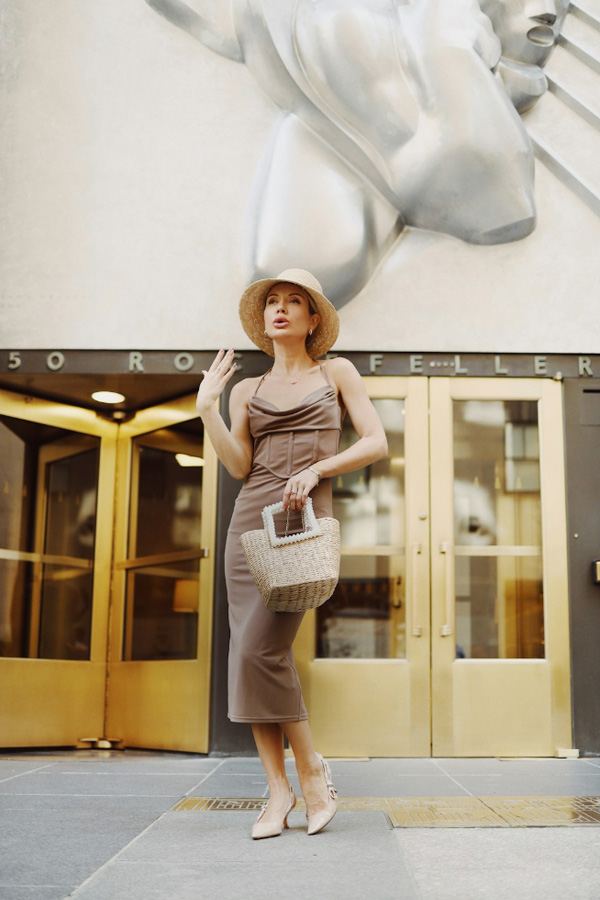
Old Money offers an antidote to this oversaturation. It is not a manufactured aesthetic—it cannot be fabricated overnight or outsourced by a stylist. Instead, it champions a worldview rooted in timeless values and cultural depth. Respect for storied traditions, reverence for understated elegance, and acknowledgment of one’s place within history make it deeply resonant for those seeking significance over spectacle.
The Ultimate Legacy
At its core, Old Money luxury symbolizes something that transcends material wealth—it embodies the quiet confidence of those who are truly secure in who they are. Where the many chase fleeting visibility, the few understand that true exclusivity lies in what remains unseen, yet deeply felt. For the ultra-affluent, the ultimate luxury is not in demonstrating wealth, but in building a life that ensures they—and their legacy—are remembered long after visibility fades.
Quiet luxury isn’t just a movement; it’s the ultimate expression of a life thoughtfully, elegantly lived.
LATEST

POPULAR