

The Art of Human Creativity: Why Prada and Hermès Are Celebrating Handcrafted Art in the Age of AI
As artificial intelligence reshapes the creative industries, luxury houses are celebrating the artistry of human hands, bringing traditional animation, craftsmanship and artistic expression into the spotlight.
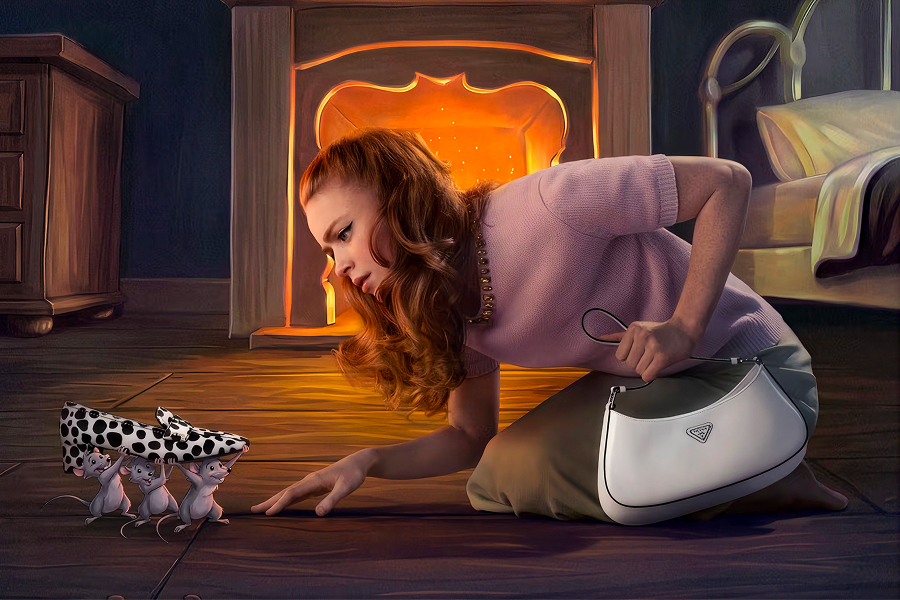
The luxury industry is entering a fascinating chapter in its relationship with art, as the growing influence of artificial intelligence inspires a renewed appreciation for traditional craftsmanship and human creativity. From hand-drawn animation to intricate textile compositions and carefully constructed visual narratives, international luxury houses are embracing artistic techniques that celebrate the talent, dedication and individuality of their creators.
Prada and Hermès are among the brands bringing this philosophy into their creative communications, placing artists and traditional techniques at the center of their campaigns. Their recent projects highlight the artistic processes behind the finished work, inviting audiences to discover the hours of preparation, specialist knowledge and creative imagination involved in producing handcrafted visual experiences.
For Ultra High Net Worth Individuals, referred to as The 1%, the relationship between craftsmanship and luxury has long been associated with artistic excellence, heritage and the appreciation of exceptional objects. The growing visibility of handmade art within luxury communications reflects an enduring fascination with authenticity, artistic provenance and the distinctive qualities of individual creative expression.
Prada Celebrates Traditional Animation in Its Holiday 2026 Campaign
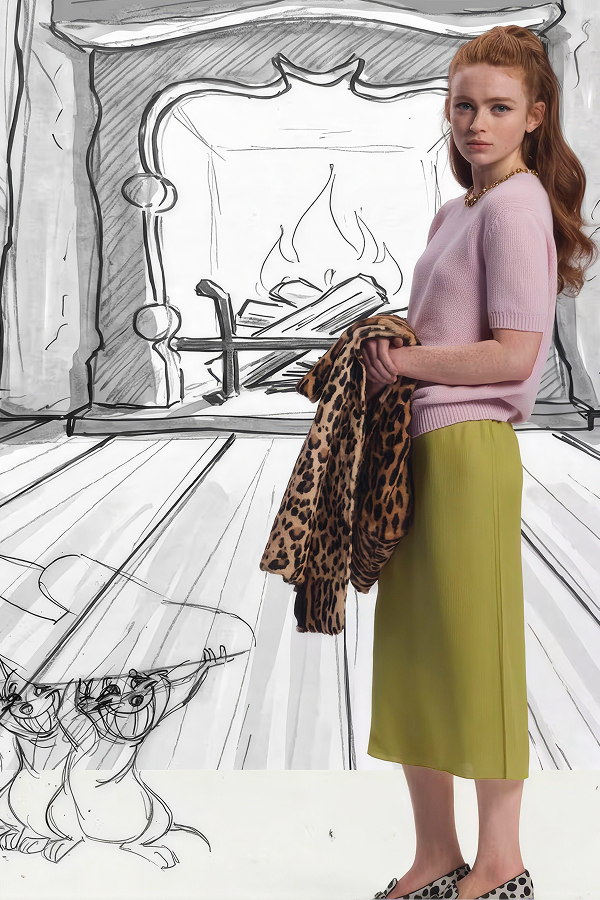
Prada’s Holiday 2026 campaign, titled Drawing Prada, places the artistry of traditional animation at the center of its seasonal storytelling. Featuring actress Sadie Sink and developed with veteran animator John Pomeroy, the campaign combines cinematic imagery with hand-drawn animated characters, celebrating the craftsmanship of artists whose expertise has been developed through years of creative practice.
Pomeroy, whose career includes extensive experience at Disney, brings a traditional approach to animation that begins with pencil, paper and the careful construction of individual drawings. The campaign’s introductory film offers audiences a glimpse into this creative process, revealing the preliminary sketches and geometric foundations that gradually develop into expressive animated characters.
The visual narrative connects Prada’s fashion identity with the artistic heritage of classical animation, creating a campaign that celebrates imagination, technical skill and the personality of handcrafted imagery. Through the collaboration, the Italian luxury house places the creative process itself within the story, allowing audiences to appreciate the human talent involved in bringing the campaign to life.
Animator Jon Densk, who contributed to the project under Pomeroy’s direction, has highlighted the years of dedication required to develop proficiency in traditional animation. The campaign’s reception illustrates the audience interest surrounding artistic techniques that reveal the skill and personal involvement of their creators.
For luxury collectors and enthusiasts, this appreciation of artistic process resonates with the principles that define exceptional craftsmanship. Whether expressed through fine watchmaking, haute couture, jewelry or contemporary art, the value of a creative object frequently reflects the expertise, vision and dedication of the individuals responsible for its creation.
Hermès and the Enduring Appeal of Artistic Craftsmanship
Hermès has also placed handcrafted artistic expression within its recent communications, celebrating the creative individuals and specialist techniques involved in producing distinctive visual projects. The French luxury house has cultivated a longstanding relationship with artisans, illustrators and designers, making artistic craftsmanship an integral part of its identity.
The brand’s approach reflects a philosophy in which artistic creativity and technical excellence contribute to a unified expression of luxury. From its silk scarves and leather goods to its collaborations with contemporary artists, Hermès has developed a visual language shaped by intricate detailing, artistic heritage and the individuality of its creative contributors.
By highlighting the people involved in its artistic projects, the house brings attention to the relationship between creative vision and execution. This emphasis on human participation connects with the growing appreciation of handmade visual content, particularly as digital technology expands the possibilities available to creative professionals.
The artistic identity of Hermès also demonstrates how craftsmanship can connect generations of creative talent. Its continuing engagement with traditional techniques and contemporary artistic expression reflects the importance of heritage within the luxury industry, where specialist knowledge and creative imagination contribute to a distinctive cultural identity.
The Human Artist Becomes Part of the Luxury Narrative
The growing visibility of traditional art forms in luxury campaigns reflects an emerging interest in the individuals responsible for creating visual content. Artists working in animation, illustration, textiles and handcrafted production are increasingly becoming visible participants in brand storytelling, with their creative processes presented alongside the finished campaigns.
Prague-based stop-motion artist Alina Golovlova has observed growing recognition of handcrafted artistic work among commercial clients. Her recent collaboration with Anthropologie involved the creation of a short film featuring a needle-felted rabbit, embroidered stars and carefully constructed stop-motion sequences, with each element developed through the work of a team of artists.
The campaign attracted enthusiastic responses from audiences who appreciated the visible craftsmanship and human creativity involved in its production. Such reactions highlight the emotional connection that audiences can develop with artistic work when the creative process becomes an important part of the experience.
For luxury houses, recognizing individual artists also creates opportunities to communicate the depth of expertise involved in their creative projects. The visibility of illustrators, animators and craftspeople reinforces the relationship between artistic authorship, provenance and the cultural identity of a brand.
This appreciation of individual creativity extends into the world of contemporary art, where collectors frequently engage with the artistic journey, materials and personal vision of the creator. From traditional painting and sculpture to abstract art and experimental installations, the identity of the artist remains central to the cultural significance of the work.
Artificial Intelligence and the Evolution of Luxury Creativity
Artificial intelligence is contributing to an evolving creative landscape, introducing new possibilities for visual development, digital production and artistic experimentation. Within this environment, luxury brands are exploring how technological innovation and established artistic techniques can contribute to their identities and communications.
The renewed attention surrounding handcrafted campaigns illustrates the cultural importance of artistic processes that reveal the presence of human creativity. Traditional animation, stop-motion filmmaking, illustration and textile artistry offer opportunities to celebrate the physical techniques and specialist knowledge involved in producing distinctive visual experiences.
For luxury brands, these techniques also connect naturally with the principles of heritage and craftsmanship that have shaped their reputations. A hand-drawn animation can communicate the precision of an illustrator, while an intricately constructed textile composition can reveal the patience and expertise of its creator.
The relationship between technology and artistic practice is likely to remain an important subject within the creative industries. As new tools become integrated into production processes, the cultural appreciation of artistic authorship, traditional techniques and individual imagination continues to shape the way audiences engage with creative work.
Ultra High Net Worth Collectors and the Value of Artistic Authenticity
The global expansion of private wealth provides an important perspective on the cultural and economic significance of artistic craftsmanship. According to Altrata’s World Ultra Wealth Report 2025, the worldwide population of Ultra High Net Worth Individuals, defined as those possessing at least $30 million in net worth, reached approximately 510,810 in June 2025, collectively holding an estimated $59.8 trillion.
This exclusive demographic represents approximately 1.1% of the global millionaire population while controlling 32.4% of its combined wealth. Altrata projects that the worldwide Ultra High Net Worth population could reach approximately 676,970 individuals by 2030, illustrating the expanding international audience with the resources to participate in collecting, cultural patronage and luxury experiences.
The international art market offers additional context for this appreciation of artistic excellence. According to the Art Basel and UBS Global Art Market Report 2025, worldwide sales of art and antiques reached approximately $57.5 billion in 2024, reflecting an established global ecosystem of galleries, auction houses, private dealers and collectors.
For The 1%, the appeal of handcrafted art encompasses artistic provenance, cultural heritage and the opportunity to engage with exceptional creative talent. Collectors often develop relationships with artists, galleries and cultural institutions, cultivating an understanding of the creative processes and traditions that contribute to the significance of individual works.
Within the luxury industry, these interests extend into haute couture, fine jewelry, bespoke interiors and exceptional objects created through specialist artisanal techniques. The appreciation of craftsmanship connects the worlds of art and luxury through a shared emphasis on creative vision, material excellence and individual expertise.
The Future of Luxury Belongs to Meaningful Creative Expression
The recent campaigns from Prada and Hermès illustrate the enduring relevance of artistic craftsmanship within contemporary luxury. By placing traditional techniques and individual artists at the center of their communications, these houses celebrate the relationship between creative imagination, cultural heritage and the skills that contribute to exceptional artistic production.
Prada’s collaboration with John Pomeroy demonstrates how classical animation can become a distinctive form of luxury storytelling, while the artistic heritage of Hermès reflects the continuing importance of craftsmanship within the identity of an established maison. Together, these examples highlight the creative possibilities that emerge when brands place artistic talent and the processes of making at the center of their visual narratives.
For Ultra High Net Worth Individuals and international collectors, the renewed visibility of handcrafted creativity reflects a longstanding appreciation for artistic authorship and cultural significance. As luxury brands continue to explore the relationship between technology, art and craftsmanship, the human imagination remains a defining source of creative expression.
In an era shaped by rapid technological development, the careful movement of a pencil across paper, the construction of an animated character and the intricate work of an artisan continue to communicate the beauty of human creativity. Through these artistic traditions, luxury houses are celebrating the individuals whose knowledge, dedication and imagination give exceptional creative work its enduring cultural identity.
Share Now
LATEST
POPULAR