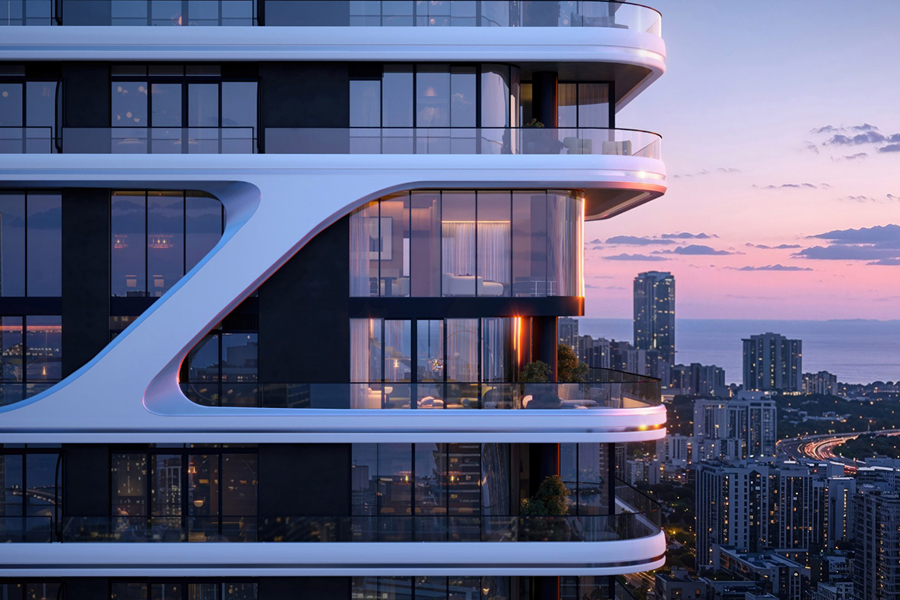


Vietnam Leads Asia's $40 Billion Branded Residences Real Estate Market
Vietnam has become Asia’s leading branded residences destination by market value. It now holds 20 percent of a regional sector worth about $40 billion.
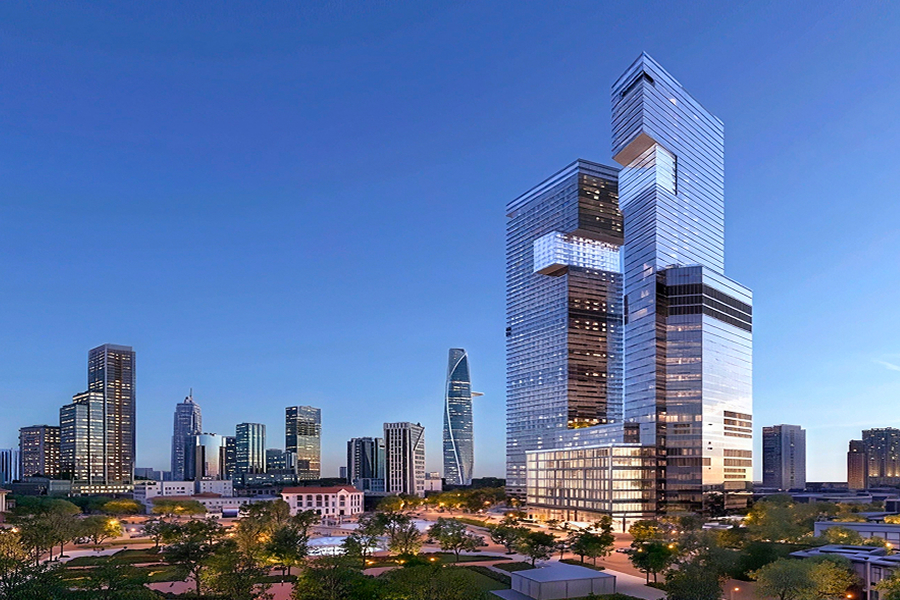
The country’s branded residential market has reached an estimated $8 billion, a quiet but striking shift in its luxury real estate landscape. International hospitality groups, property developers and global investors have taken notice.
According to the Asia Branded Residences Market Review 2026, published by C9 Hotelworks, Vietnam now leads the region in total branded residential market value. Thailand follows at about $6.4 billion, with South Korea at $5.8 billion. The findings place Vietnam at the heart of Asia’s luxury real estate market, supported by economic growth, international tourism, infrastructure investment and a growing collection of prestigious residential projects.
For The 1%, Vietnam is an emerging opportunity on the international property stage. Here, established luxury hospitality brands meet contemporary architecture, sunlit coastlines and fast-rising metropolitan centers. The rise of branded residences speaks to the country’s growing appeal for affluent buyers seeking distinctive homes tied to internationally recognized luxury names.
Vietnam Becomes Asia's Largest Branded Residence Market by Value
Vietnam’s branded residential sector has reached about VND 211.2 trillion, or $8 billion. That figure represents one fifth of Asia’s total market value. It reflects the scale of investment flowing into the country’s residential hospitality sector and the growing weight of premium developments within its property market.
The regional branded residences industry is valued at about $40 billion. Together, Vietnam, Thailand and South Korea account for more than half of that total. These three markets have become key destinations for international hospitality brands and property developers seeking opportunity across Asia’s evolving luxury residential landscape.
Vietnam’s position stands out because so many of its developments sit in the upscale and luxury segments. About 38 percent of its branded residential projects fall within the luxury category, lifting the country’s overall market valuation.
For The 1%, this concentration of premium residences reveals the rising sophistication of Vietnam’s luxury property offering. International hotel brands, architectural practices and developers are shaping residential environments around hospitality services, lifestyle amenities and contemporary design.
A Pipeline of More Than 15,700 Branded Residences
The scale of Vietnam’s development pipeline offers another sign of its growing stature in the Asian real estate market.
C9 Hotelworks identifies about 15,762 branded residential units across 47 projects, including launched developments and future inventory. This pipeline places Vietnam at the forefront of regional branded residential development by total planned supply.
Thailand currently leads in launched units, with about 13,124 residences. Vietnam follows closely with about 12,592 launched units. Its broader pipeline shows just how much future residential investment is taking shape across the country.
Both metropolitan and resort destinations are driving this growth. The result is a diverse collection of residential opportunities across urban centers, coastal communities and emerging leisure markets.
For international investors, this activity underscores what matters most: location selection, brand positioning, architectural quality and long-term demand within Vietnam’s evolving luxury real estate market.
The 1% Is Influencing Asia's Luxury Property Landscape
Vietnam’s branded residential expansion is unfolding during a period of remarkable growth in global private wealth.
The worldwide Ultra High Net Worth population exceeded 510,000 individuals by mid-2025, together controlling wealth approaching $60 trillion. The number of Ultra High Net Worth Individuals is projected to rise significantly through 2030. This creates an increasingly influential audience for exceptional residential developments and international property investment.
This wealth expansion is reshaping luxury real estate across Asia. Internationally mobile entrepreneurs, family offices and affluent investors are seeking residences that pair investment potential with distinctive lifestyle experiences.
For The 1%, branded residences bring together architecture, hospitality, privacy, wellness and professional management. These qualities hold particular value for buyers who maintain multiple homes across international destinations.
Vietnam’s rise as a major branded residence market reflects the growing attention on Southeast Asia, where economic growth, tourism development and improving infrastructure are opening new residential horizons.
Ho Chi Minh City Becomes a Center for Luxury Branded Living
Ho Chi Minh City plays a central role in Vietnam’s residential transformation, with about 2,903 branded residential units identified in the market review.
The country’s principal commercial center has drawn international investment through its expanding business environment, contemporary urban developments and growing hospitality sector.
One of its most significant projects is One Central Saigon, a mixed-use development that includes The Ritz-Carlton Residences. The arrival of this internationally recognized hospitality brand marks an important milestone for the city’s luxury residential market.
The Ritz-Carlton name carries a heritage of personalized hospitality and residential service. Here, that legacy finds a home within one of Vietnam’s most dynamic metropolitan settings.
For The 1%, residences tied to established international hospitality brands promise a consistent standard of service, paired with contemporary architecture and close access to major commercial and cultural destinations.
Ho Chi Minh City’s expanding collection of luxury properties also reflects the growing maturity of the local real estate market. Developers are introducing internationally recognized residential concepts to meet the expectations of affluent domestic and international buyers.
Da Nang Leads Vietnam's Branded Residential Destinations
Da Nang has emerged as Vietnam’s leading branded residence location by unit count, with about 3,034 residences identified in the report.
The coastal city has earned a strong reputation for luxury hospitality, beachfront resorts and contemporary residential developments. Its blend of natural beauty, international tourism and expanding infrastructure has attracted major hospitality operators and property developers.
Da Nang’s appeal rests on its beaches, its proximity to cultural landmarks and its growing collection of luxury hotels and resorts. Together, these create an inviting setting for branded residences designed around leisure, wellness and coastal living.
For The 1%, Da Nang offers a residential proposition shaped by resort life, where private ownership meets hospitality services and recreational amenities, and every morning begins with the hush of the sea.
The city’s standing within Vietnam’s branded residential market also shows how tourism destinations are shaping the country’s luxury property development.
Hanoi Strengthens Its Luxury Residential Position
Hanoi, Vietnam’s capital, is another significant center within the country’s branded residences sector, with about 1,817 units identified in the market review.
The city’s residential landscape blends established cultural heritage with expanding commercial districts, contemporary architecture and rising international investment.
As a political, cultural and business center, Hanoi supports strong demand for high-quality residential developments. This demand comes particularly from affluent Vietnamese buyers, entrepreneurs and internationally mobile professionals.
For The 1%, Hanoi offers a distinctive urban setting shaped by historic architecture, cultural institutions, international hospitality and a growing collection of premium residential communities.
As the city’s infrastructure and luxury hospitality offerings continue to develop, branded residences are becoming an increasingly visible part of its property landscape.
Luxury Hospitality Brands Are Driving Residential Development
One of the defining features of Vietnam’s branded residences market is the close bond between residential development and international hospitality.
According to C9 Hotelworks, about 83 percent of branded residential projects are associated with hotels. Another 13 percent form part of mixed-use developments, while 4 percent operate as standalone residential projects.
This structure reflects the influence of Vietnam’s expanding hotel industry and the central role of hospitality services in the country’s luxury residential offering.
International hotel operators bring established service standards, global recognition and deep expertise in guest experience. This allows developers to create residential environments where private ownership and luxury hospitality exist in seamless harmony.
For The 1%, these developments offer access to concierge services, wellness facilities, private dining, leisure amenities and professionally managed residential environments.
The integration of hotel services into residential property also mirrors a broader shift in the global real estate market. Luxury ownership increasingly means a complete lifestyle experience, not simply a set of keys.
Elie Saab Introduces Fashion Branded Residences to Vietnam
Vietnam’s branded residential market is also attracting international luxury brands from beyond the world of hospitality.
The Rivus by Elie Saab, which opened in Ho Chi Minh City in 2025, marked the first residential property in Vietnam associated with an international fashion house.
The development captures the growing dialogue between luxury fashion, architecture and residential design. It carries the aesthetic signature of a celebrated designer into the property sector.
Fashion branded residences have become an important category within the international luxury real estate market. Names such as Armani, Fendi, Versace and Missoni are associated with residential developments across major global destinations.
For The 1%, these projects offer distinctive environments where architecture, interior design and brand heritage become woven into the experience of ownership.
Elie Saab’s arrival in Vietnam reflects the expanding diversity of the country’s luxury residential market and its rising relevance to international lifestyle brands.
Coastal Destinations Expand Vietnam's Real Estate Market
Vietnam’s branded residential development stretches across many coastal and emerging destinations, revealing the national scale of investment.
Quang Tri accounts for about 2,600 branded residential units, while Lam Dong represents another significant market with about 2,288 units. Developments associated with international hospitality groups, including Wyndham and Accor, are helping expand residential offerings in these regions.
Additional projects are spread across destinations including Phu Quoc, Khanh Hoa, Dong Nai, Lao Cai and Hai Phong. Together, they form a geographically diverse collection of residential opportunities.
For The 1%, Vietnam’s coastal regions open the door to a range of lifestyle experiences, from beachfront resorts and private villas to residences connected with international hotel operators.
These destinations also show the close link between tourism infrastructure and residential investment. As access improves and hospitality develops, new luxury property locations continue to emerge.
Infrastructure Investment Supports Vietnam's Property Ambitions
Vietnam’s expanding branded residences market is closely tied to the country’s broader infrastructure development.
Preparations for hosting the APEC Economic Leaders’ Week in 2027 are fueling significant investment in transportation, hospitality and urban infrastructure.
Major initiatives include Long Thanh International Airport, proposed high-speed rail connections between Hanoi and Ho Chi Minh City, new highway networks and extensive development across tourism and business destinations.
These projects aim to strengthen connectivity and ease the movement of international visitors, investors and residents throughout the country.
For the luxury real estate market, infrastructure plays a key role in shaping the appeal of residential destinations. Better transportation links, international airports and hospitality facilities can influence accessibility, property demand and the long-term development of surrounding communities.
Vietnam’s infrastructure ambitions therefore provide essential context for the growth of its branded residential sector.
Branded Residences Become a Distinct Investment Category
The growth of Vietnam’s luxury residential market reflects a wider transformation in how developers approach branding, marketing and international investment.
Branded residences unite real estate development with the identity, services and cultural associations of established hospitality and luxury brands. This union creates a distinctive proposition for affluent buyers seeking recognizable standards of quality and service.
The global branded residence sector has expanded considerably over the past decade, with hundreds of completed and planned projects across major international destinations.
For developers, success increasingly depends on strategic positioning, architectural distinction, brand relevance and the ability to tell a compelling residential story.
For investors, evaluating branded residences involves several key factors:
- Acquisition pricing
- Ownership structures
- Service charges
- Rental potential
- Resale demand
- The reputation of the associated brand
Vietnam’s expanding supply gives developers room to establish distinctive residential identities, and gives buyers a growing collection of internationally branded properties to explore.
Vietnam's $8 Billion Market Signals a New Era for Luxury Real Estate
Vietnam’s rise as Asia’s largest branded residences market by value marks a significant milestone in the evolution of the region’s luxury property sector.
With about $8 billion in market value, 15,762 planned and launched residences across 47 projects, and a substantial concentration of luxury developments, the country has secured an important place within Asia’s $40 billion branded residential industry.
This expansion is supported by international hospitality brands, luxury fashion houses, infrastructure investment and the continued development of metropolitan and coastal destinations.
For The 1%, Vietnam offers an increasingly refined residential landscape. It brings together international brand recognition, contemporary architecture, luxury hospitality and access to one of Southeast Asia’s most promising economic environments.
As global Ultra High Net Worth wealth continues to grow, the country’s branded residential developments are poised to draw rising attention from affluent buyers and international property investors.
Vietnam’s transformation highlights the growing importance of Southeast Asia within the global luxury real estate market. It establishes the country as a significant destination for branded residential development, international investment and exceptional lifestyle experiences. Here, a home becomes more than an address. It becomes an invitation to live within a story still being written.
Share Now
LATEST
POPULAR