

Luxury Fashion Branding: The Guide to Building an Elite Brand
Luxury fashion branding is undergoing its most decisive recalibration in a generation. Heritage houses are replacing creative directors at an unprecedented pace. Consumers are questioning relentless price increases. The playbooks that built fortunes in the previous decade no longer guarantee relevance. In 2026, the global luxury market is projected to grow between four and six percent, yet that growth is sharply K-shaped: brands at the summit thrive while aspirational tiers falter.
This is the environment where luxury fashion branding separates the enduring from the ephemeral. What follows is a comprehensive exploration of the pillars that make a fashion brand truly luxury, seven proven strategies for 2026, a step-by-step framework for building a luxury brand from the ground up, and the trends reshaping the industry. Whether you lead an established house or are laying the foundation for a new luxury fashion brand, these insights are designed to sharpen your strategic edge.
The Luxury Fashion Branding Landscape in 2026
Luxury fashion branding in 2026 is defined by a K-shaped market where top-tier houses accelerate through craftsmanship, cultural authority, and experiential innovation, while aspirational brands struggle with consumer skepticism and pricing fatigue.
The numbers set the stage. McKinsey frames 2026 as a year of recalibration for the luxury industry. Deloitte reports that nearly 67 percent of luxury executives expect stable or growing revenues, and BNP Paribas estimates six percent organic growth for the sector. Yet these headline figures mask a divergence: top-tier consumers continue to drive value, while aspirational buyers are priced out or shifting to resale and local alternatives. New trade barriers add further complexity, as tariffs reshape luxury fashion supply chains and pricing strategies across borders.
The shift from product-centric to experience-led branding is accelerating. Flagship boutiques are becoming experiential destinations, wellness and longevity crossovers are entering the luxury conversation, and AI-powered clienteling is transforming how brands serve their most valuable clients. The emphasis is no longer on what you sell but on the world you invite clients to inhabit.
Gen Z and Millennials dominate cultural momentum even if they do not yet represent the majority of luxury revenue. They legitimize or discredit brands based on values, authenticity, and cultural relevance. Meanwhile, regional dynamics are shifting: the United States remains essential, but the Middle East, India, and Southeast Asia are emerging as growth engines with distinct expectations for cultural craftsmanship blended with global modernity.
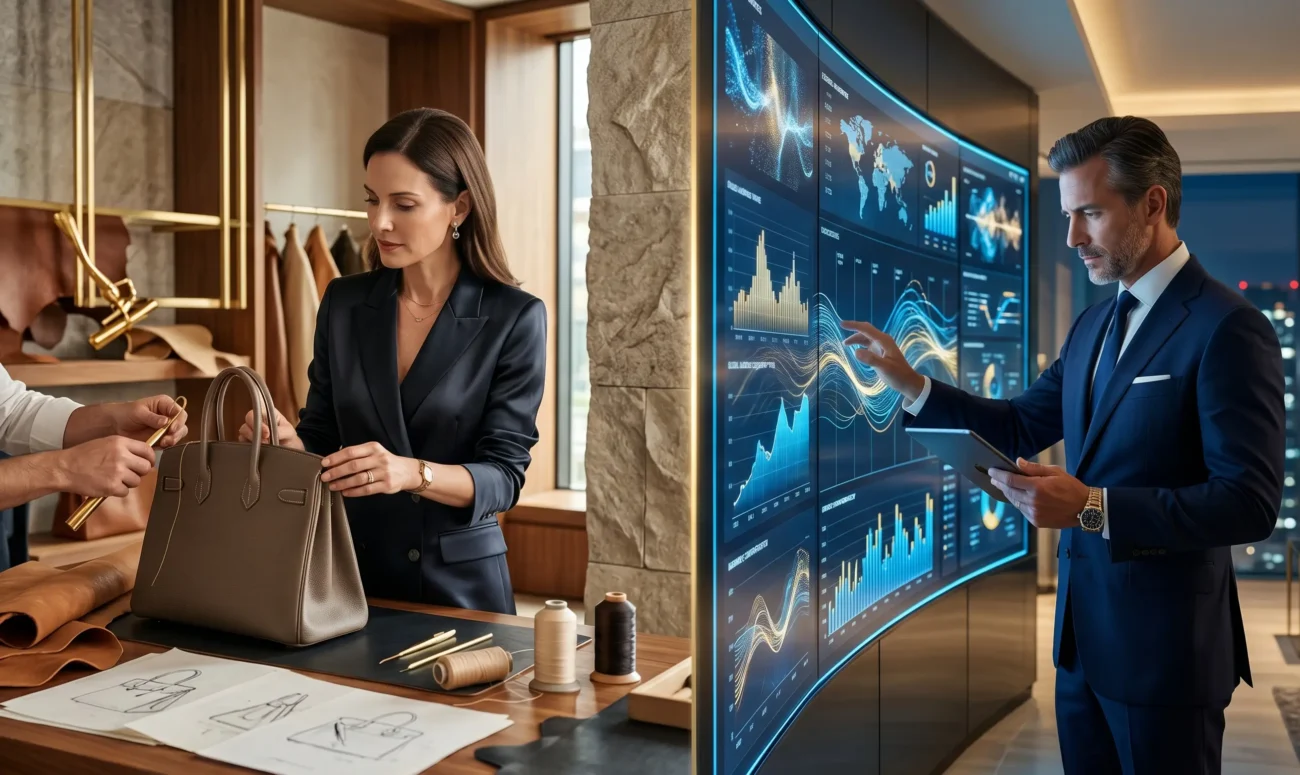
Consider Hermès as the defining case study. Positive brand-value growth, a seamless client experience, and an unwavering commitment to artisanal craftsmanship have made it the standout performer in a turbulent market. Its discipline offers a masterclass in what luxury fashion branding demands in 2026: consistency, restraint, and cultural authority.
What Makes a Fashion Brand Truly Luxury? The 6 Non-Negotiables
Not every premium price tag earns the right to be called luxury. True luxury fashion branding rests on six foundational pillars that no amount of marketing can fabricate. These are the non-negotiables that separate a luxury brand from a merely expensive one.
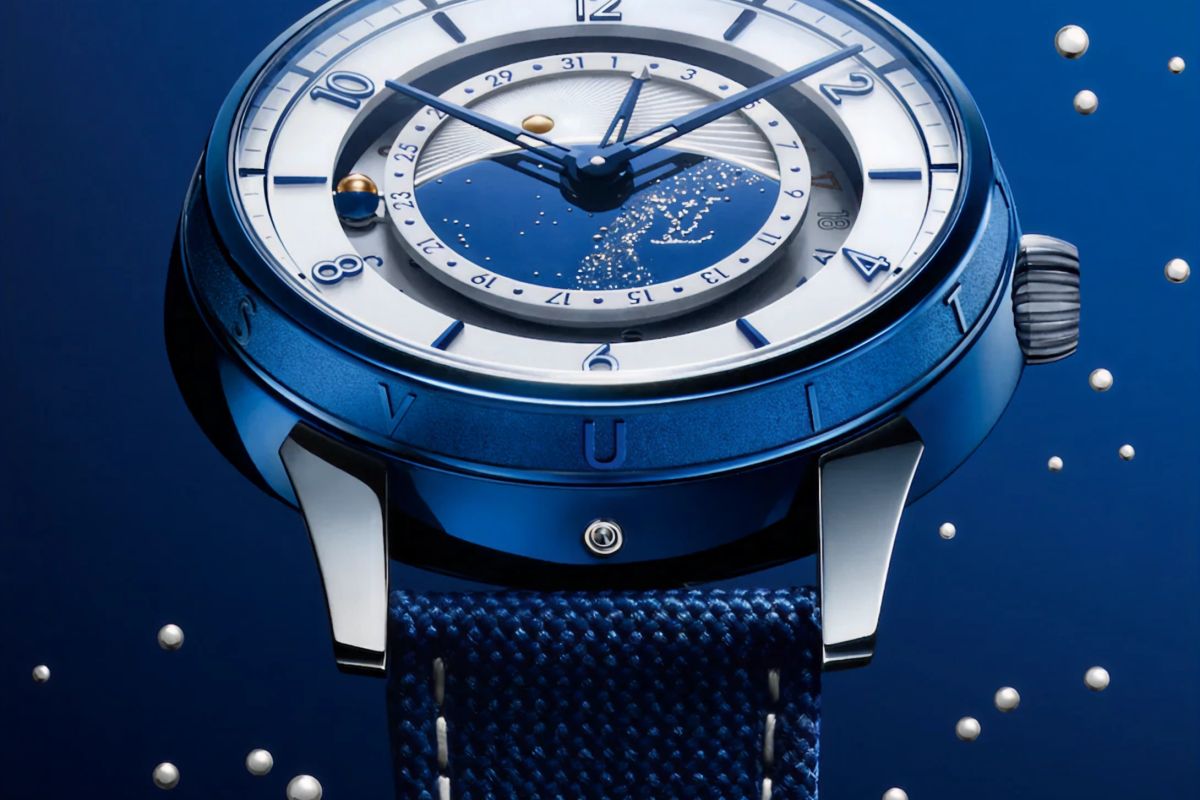
- Superb Craftsmanship. The product must be demonstrably superior. Hermès artisans undergo multi-year apprenticeships before they are entrusted with hand-stitching a single bag. The same obsessive precision defines luxury brand watchmaking, where houses like Louis Vuitton and De Bethune push mechanical artistry to its limits. This level of commitment to craft is not a marketing narrative; it is the foundation of perceived and actual value.
- Rich Heritage and Brand Story. Heritage is an activated asset, not a dusty archive. Louis Vuitton transformed a trunk-maker’s origin into a global cultural force by continuously reinterpreting its archives through contemporary creative direction. The lesson: the history of luxury must be translated into living culture.
- Controlled Scarcity and Exclusivity. Limited editions, waitlists, invitation-only access. In 2026, scarcity tactics have become more sophisticated, extending beyond product limits to experiential gates: private exhibitions, members-only residences, and bespoke travel itineraries reserved for top clients.
- Distinctive Visual Identity. Recognizable brand codes that invite identification at a glance: color signatures, monograms, silhouettes, signature materials. The bold evolution of houses like Roberto Cavalli illustrates how visual reinvention, when rooted in brand DNA, can reignite desirability. The current “end of blanding” trend marks a return to heritage serif typography, textured materials, and quiet luxury aesthetics that prize confidence over volume.
- Emotional Connection. Luxury consumers purchase identity, not products. The brand must trigger emotional responses through storytelling, cultural moments, and aspirational lifestyle narratives. When Chanel stages a show inside the Grand Palais, it is not selling garments; it is selling belonging.
- Premium Pricing Architecture. Price communicates value, but 2026’s critical lesson is that indiscriminate price inflation erodes trust. Pricing must align with perceived quality and brand equity. The brands that raise prices without elevating the experience are the ones losing ground.
Pillar | Core Principle | Brand Example |
Superb Craftsmanship | Demonstrable product superiority | Hermès |
Rich Heritage | Archives activated as living culture | Louis Vuitton |
Controlled Scarcity | Experiential and product exclusivity gates | Patek Philippe |
Visual Identity | Recognizable codes across all touchpoints | Chanel |
Emotional Connection | Identity-driven storytelling | Dior |
Premium Pricing | Price aligned with perceived value | Rolls-Royce |
7 Core Strategies That Define Luxury Fashion Branding in 2026
Strategy is what separates a luxury brand from a fashion label with ambition. The following seven strategies represent the consensus of industry leaders, validated by data from McKinsey, Deloitte, and Euromonitor, and observed in the moves of the world’s most successful luxury houses.
1. Lead With Heritage, Activate With Culture
Heritage is only valuable when it is activated. Brands must codify their DNA: signature materials, founding motifs, the creator’s original intent. Then they must translate that DNA into contemporary culture through collaborations, bold creative direction, and strategic partnerships. Dior’s Lady Dior Art Series, which commissions blue-chip artists to reinterpret the iconic bag, is a masterclass in heritage activation. The archive becomes a living dialogue between past and present.
2. Master Quiet Luxury Visual Branding
The era of loud logos is receding. 2026 belongs to confident, restrained design: heritage serif typography, blind embossing, textured materials, and hyper-curated digital experiences. Bottega Veneta abandoned social media entirely, letting its intrecciato leather speak for itself. This philosophy applies beyond fashion to luxury hospitality, private wealth, and bespoke agencies. Quiet luxury is not about being invisible; it is about being unmistakable to those who understand.
3. Forge Emotional Connections Through Storytelling
Storytelling in luxury fashion branding is not content marketing. It is brand mythology. The psychological mechanism taps into identity formation: consumers see brand ownership as an extension of their personal narrative. Cartier’s “Love” campaign did not sell bracelets; it embedded the brand into the emotional architecture of relationships. Effective storytelling weaves products into aspirational lifestyles and cultural moments, transcending promotional messaging entirely.
4. Build Experiential Brand Worlds
Boutiques are becoming destinations, not stores. Immersive retail, wellness crossovers, and cultural programming are redefining what it means to engage with a luxury brand. Louis Vuitton’s Visionary Journeys exhibition in Seoul exemplifies this shift, transforming a retail moment into a cultural pilgrimage. The move from ownership to membership is accelerating: luxury in 2026 is defined by how you live, not what you own. Luxury travel, wellness retreats, and cultural immersion now rank above product acquisition in consumer priorities.
5. Leverage AI-Powered Personalization Without Losing Mystique
Artificial intelligence is transitioning from add-on to infrastructure. Hyper-personalization of clienteling, predictive engagement, and AI shopping agents are reshaping how luxury brands serve their highest-value clients. The art lies in serving quietly and personally, never letting the technology overshadow the human relationship. Brand presence in generative engine optimization is now essential, as McKinsey’s latest research confirms.
6. Control Distribution and Maintain Exclusivity
Selective distribution remains the backbone of luxury brand identity. Controlled digital presence, meaningful gates of exclusivity, and strategic retail footprints protect brand equity. The tension between accessibility and scarcity defines 2026’s distribution challenge. Pre-owned and resale programs are emerging as controlled alternatives: Deloitte reports that 68 percent of luxury companies now offer repair or refurbishment services.
7. Invest in Sustainability as a Strategic Lever
Sustainability is no longer branding garnish. It is tied to return on investment, cultural relevance, and new revenue streams. Circularity programs, transparent sourcing, and buy-less-but-better messaging resonate with luxury consumers who demand purpose alongside prestige. The most sophisticated houses in 2026 treat sustainability not as a cost center but as a competitive advantage.
Building or refining a luxury fashion brand requires strategic expertise at the intersection of heritage, identity, and market positioning. Explore how Charley Signature, a leading luxury branding agency, partners with elite brands to architect enduring brand equity.
How to Build a Luxury Fashion Brand From the Ground Up
Building a luxury fashion brand is not a marketing exercise; it is a strategic act of cultural creation. The following seven-step framework provides a roadmap from concept to market, grounded in the principles that define the evolution of luxury brands across generations.
- Define Your Brand DNA and Values. What does your brand stand for? What will it never compromise? Clarify your positioning, your audience, and your non-negotiables before designing a single visual asset. The strongest luxury brands begin with conviction, not aesthetics.
- Craft a Compelling Origin Story. Every luxury brand needs mythology. Whether it is a founding narrative rooted in a specific craft or a cultural mission born from personal experience, the story must be authentic, emotionally resonant, and repeatable across every touchpoint.
- Design a Distinctive Visual Identity. Logo, typography, color palette, brand codes. Your visual identity must be recognizable at a glance and flexible across digital and physical environments. Partnering with a luxury branding agency ensures that quiet luxury aesthetics communicate confidence rather than volume from the very first touchpoint.
- Develop an Exceptional Product. Quality materials, superb craftsmanship, thoughtful design. The product must justify the premium pricing and deliver a tactile experience that reinforces the brand promise.
- Create Scarcity and Exclusivity Architecture. Limited editions, waitlists, invitation-only experiences. Design meaningful gates that feel aspirational, not arbitrary. The distinction matters: exclusivity should reward loyalty, not punish demand.
- Build Your Digital Presence Strategically. Platforms like Instagram demand a curated, editorial approach. Selective influencer partnerships, generative engine optimization for AI discovery, and content strategy that reflects the brand’s visual and tonal DNA are essential. Digital is not a channel; it is an environment.
- Measure and Iterate. Brand equity scores, engagement metrics, customer feedback, and SERP visibility provide the data to refine your approach. Balance leading indicators with lagging ones, and treat measurement as a discipline, not an afterthought.
Luxury Fashion Branding Trends Reshaping 2026
The landscape is evolving at a pace that punishes complacency. Six trends are defining luxury fashion branding in 2026, each demanding strategic attention from brand leaders and creative directors.
The End of Blanding. Flat minimalism and sans-serif uniformity are giving way to heritage typography, bespoke serif logos, and tactile brand identities. Visual distinctiveness is once again a competitive weapon.
From Ownership to Membership. Luxury is shifting from possessions to experiences. Wellness retreats, cultural immersion programs, and members-only communities are replacing product-driven engagement models.
AI as Infrastructure. AI-driven personalization, predictive clienteling, and generative engine optimization are no longer experimental. They are operational imperatives for any brand serious about maintaining relevance.
Circularity Goes Mainstream. Pre-owned programs, repair services, and resale platforms are becoming controlled, margin-conscious extensions of the origins of luxury philosophy: buy less, buy better, preserve value.
Regional Divergence. The US remains a critical market, but the Middle East, India, and Asia bring distinct expectations. Cultural intelligence now outperforms global uniformity as a growth strategy.
Micro-Influencer Renaissance. Small creator accounts with highly engaged audiences are proving as profitable for luxury brand marketing as celebrity endorsements. Trust outperforms reach in the luxury sector.
Whether you are launching a new luxury fashion brand or repositioning an established house, strategic guidance makes the difference. Discover how Charley Signature’s luxury brand development experts help brands build identities that command attention and loyalty.
Frequently Asked Questions About Luxury Fashion Branding
What is luxury fashion branding?
Luxury fashion branding is the strategic process of building a fashion brand’s identity, positioning, and desirability around principles of exclusivity, craftsmanship, heritage, and emotional connection. It extends beyond logos and advertising to encompass every touchpoint of the client experience, from product design and retail environments to storytelling and cultural engagement.
What makes a fashion brand truly luxury?
A truly luxury fashion brand combines six core elements: superb craftsmanship, rich heritage, controlled scarcity, distinctive visual identity, deep emotional connections with consumers, and a premium pricing architecture that reflects genuine value. These pillars are non-negotiable and cannot be manufactured through marketing alone.
How much does it cost to start a luxury fashion brand?
Starting a luxury fashion brand requires significant investment in product development, brand identity design, and initial marketing. Typical costs range from 150,000 to 500,000 USD or more, depending on product category and market entry strategy. The highest costs are in sourcing quality materials, artisan production, and building a credible digital presence.
What are the biggest luxury fashion branding trends in 2026?
The dominant trends include the shift from loud logos to quiet luxury aesthetics, AI-powered hyper-personalization, experience-led retail, circularity as a strategic lever, regional diversification with culturally intelligent brand narratives, and the rise of micro-influencer partnerships that prioritize trust over reach.
How do luxury brands create emotional connections?
Through storytelling that positions products within aspirational lifestyles and cultural moments, tapping into identity formation where consumers see brand ownership as an extension of their personal narrative. This includes heritage activation, art collaborations such as Boucheron’s legacy-defining museum donations, immersive brand experiences, and curated content that resonates on an emotional rather than transactional level.
Share Now
LATEST
POPULAR