

- The Danieli reopens in August 2026 as Danieli, Venezia, A Four Seasons Hotel, after a multi-year restoration.
- 120 keys across three interconnected palaces on the Riva degli Schiavoni, steps from Piazza San Marco.
- Interiors by Pierre-Yves Rochon, with Murano glass, Rubelli fabrics and the 15th-century Palazzo Dandolo atrium as the centrepiece.
- The commercial question is not the restoration. It is whether an operator brand adds anything to a building that was already legendary.
Venice’s Danieli returns this month under the Four Seasons flag, closing a multi-year restoration of one of the most recognisable hotels in Europe. The property reopens with 120 keys across a trio of interconnected palaces on the Riva degli Schiavoni, minutes from Piazza San Marco, with interiors by Pierre-Yves Rochon. The interesting part is not the building, which was always exceptional. It is the branding decision. A hotel that has been famous under its own name since the nineteenth century has added an operator’s name to the door, and that trade-off is worth examining. Here is what has been restored and what the flag is actually buying.
What Has Been Restored
The Danieli occupies three connected palaces, with the 15th-century Palazzo Dandolo at its heart. The atrium there is the property’s signature space: soaring pink marble columns and a grand staircase that has appeared in more photographs than most hotels manage in their entirety.
The restoration has preserved the historic register rather than modernising away from it. Brocade, gilded mirrors and Carrara marble remain the visual language, alongside a collection of Murano glass, locally woven Rubelli fabrics and oil paintings.
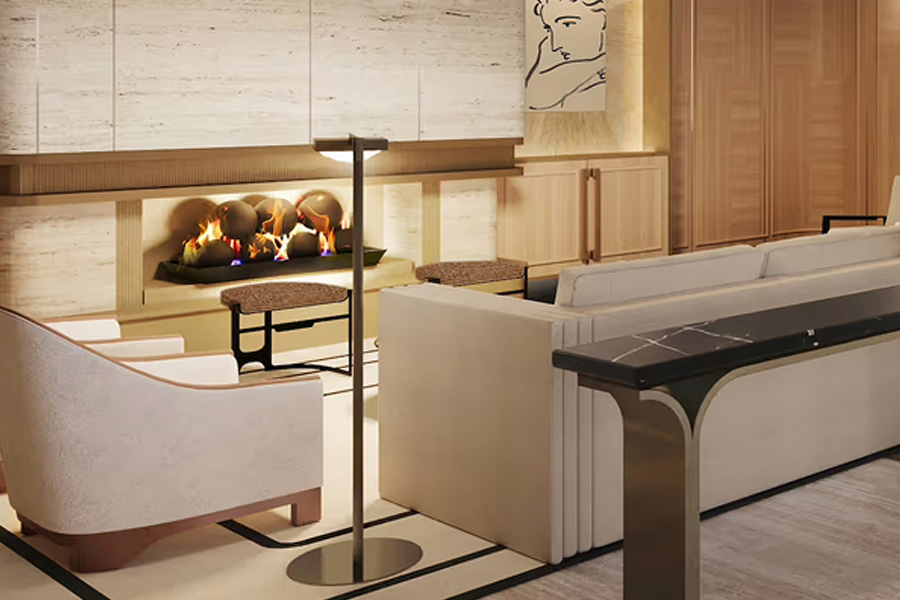
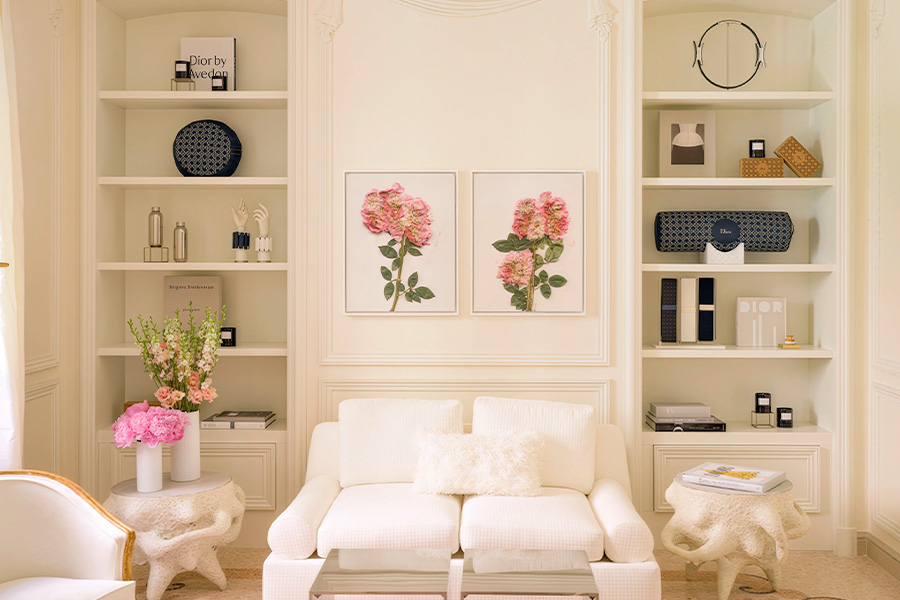
Accommodation runs from one-bedroom suites conceived as private Venetian residences, with velvet living areas, through to lighter rooms in cream and honey tones facing the lagoon. Pierre-Yves Rochon, whose portfolio includes several of Europe’s most significant hotel restorations, led the interiors.
What Does the Four Seasons Name Add?
This is the question the announcement does not address, and it is the commercially interesting one.
The Danieli did not need awareness. It has been one of the most recognised hotel names in Europe for well over a century, with a guest history that markets itself. Adding an operator brand to a property with that level of independent recognition is not an awareness decision.
Three things it does buy:
- Distribution and loyalty. Access to an existing global client base with established booking behaviour and a recognised loyalty relationship. For a single property, that is expensive to build alone.
- Service standards as a system. A hotel is the only luxury product where the promise is delivered nightly by people. An operator supplies training, protocol and management depth rather than an aesthetic, which is the layer that a restoration cannot address.
- Consistency of expectation. A guest who has stayed at the brand elsewhere arrives with a calibrated sense of what will happen, which reduces the risk of a historic property disappointing against its own legend.
The trade-off is the one every endorsed brand faces: the property gains a system and cedes some singularity. Hospitality is the category where that exchange usually makes sense, for reasons we set out in luxury hotel marketing strategy, because a traveller booking an unfamiliar property genuinely wants a guarantee.
Where This Sits in the Current Wave
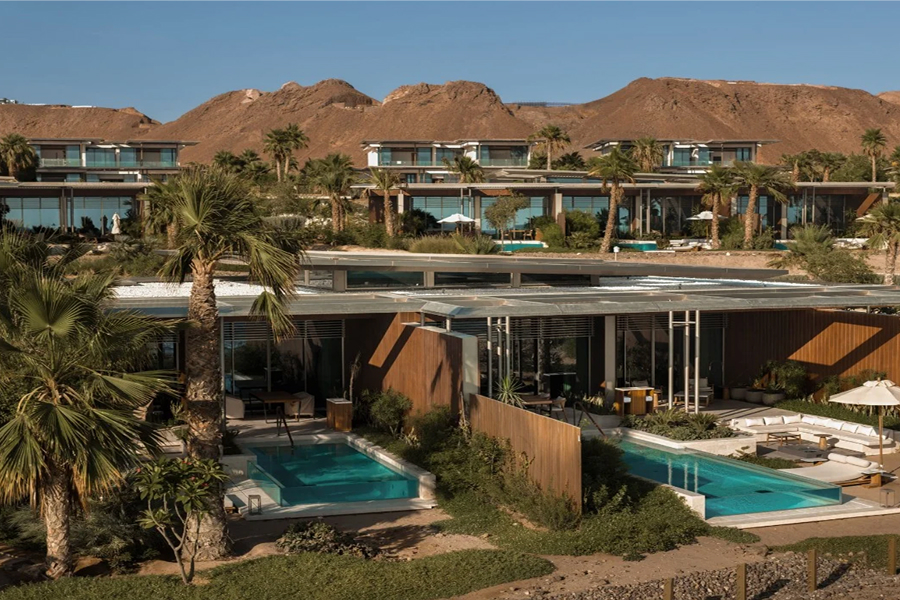
The Danieli is part of an unusually dense run of luxury openings and reopenings this year. Four Seasons Resort Red Sea at Shura Island has opened, Mamula Island by Banyan Tree has joined that group’s portfolio in Montenegro’s Bay of Kotor, an Aman is arriving on Baja California Sur’s East Cape, and Admiralty Arch in London is due to take overnight guests for the first time since 1912, with stays bookable from March 2027.
What separates the Danieli from most of them is that it required no market creation. New destinations have to build demand and air access alongside the property, which is the constraint we examined in our read on the Red Sea finally getting its access. Venice has the opposite problem: demand that arrives regardless, in volumes the city actively manages.
That changes what the property is competing on. Not visibility, but the ability to offer calm in a city where calm is the scarce commodity.
Bottom Line
The Danieli reopens in August as a Four Seasons with 120 keys across three palaces on the Riva degli Schiavoni, interiors by Pierre-Yves Rochon, and the Palazzo Dandolo atrium restored as its centrepiece. The restoration preserves rather than reinterprets, which is the right decision for a property whose value is its continuity. The branding move is the part to watch: a hotel with more independent recognition than most operators have acquired a flag, trading a degree of singularity for service infrastructure and global distribution. In hospitality that exchange usually pays, because the promise has to be delivered by people every night and no amount of marble solves for that. The heritage logic underneath is set out in heritage brand strategy.
FAQ
When does the Danieli reopen?
August 2026, following a multi-year restoration. It reopens as Danieli, Venezia, A Four Seasons Hotel, located on the Riva degli Schiavoni close to Piazza San Marco, with 120 rooms and suites across three interconnected historic palaces.
Why do historic hotels join operator brands?
Primarily for global distribution, loyalty programme access and service management depth rather than for awareness. A single property cannot economically replicate a worldwide reservation network or the training infrastructure of a large operator, and the service layer is the part of a hotel that a physical restoration cannot address.
What is a hotel management agreement?
An arrangement in which the property owner retains the real estate while an operator runs the hotel under its brand for management fees, typically calculated on revenue and profit. The owner carries the asset risk, the operator supplies standards, systems and distribution. It is the standard structure for branded luxury hotels in landmark buildings.
Does rebranding a famous hotel risk its identity?
It can, and the risk rises with the property’s independent recognition. The usual mitigation is to keep the original name in the primary position with the operator as endorsement rather than replacement, which preserves the historic identity while signalling the service standard. Guests generally accept the arrangement when the physical character is left intact.