

- Four Seasons Resort Red Sea at Shura Island has opened, adding to a cluster of ultra-luxury properties built on a coastline that had almost no hotel capacity five years ago.
- The constraint was never rooms. It was how guests reach them.
- Premium airline beOnd is launching direct all-premium flights to The Red Sea from London, Paris, Zurich, Munich and Moscow from December 2026.
- Saudi tourism and aviation authorities are supporting the expansion, which suggests incentives are part of what makes these routes viable.
The Red Sea has spent five years building hotels for guests who could not easily get there. That is changing. Four Seasons Resort Red Sea at Shura Island has opened, joining a cluster of ultra-luxury properties along a coastline that had effectively no capacity at the start of the decade, and premium leisure carrier beOnd is launching direct all-premium services from five European cities from December. The interesting development is not another resort opening. It is the arrival of the air access the resorts were built in anticipation of, and the commercial arrangement behind it deserves attention.
What Has Actually Opened
Shura Island is the anchor of the Red Sea development, and the Four Seasons property joins a portfolio that has been arriving in sequence rather than all at once. The regional context also includes a wider wave of openings across luxury hospitality this summer, from Mamula Island by Banyan Tree in Montenegro’s Bay of Kotor to the reopening of Venice’s Danieli as a Four Seasons and a Waldorf Astoria arriving in Miami South Beach.
What separates the Red Sea from those is that the others sit in established destinations with existing air links. The Red Sea properties were commissioned into a market that had to be created around them, which makes the access question structural rather than logistical.
Our coverage of the wider destination build-out sits in Six Senses Amaala and Shebara.
Why Access Is the Whole Story
A luxury resort is a fixed asset with a fixed catchment. Its addressable market is not the number of wealthy people in the world, it is the number who can reach it in a single comfortable journey. Every connection removed from that journey widens the catchment disproportionately, because at the top of the market the currency being spent is time rather than money.
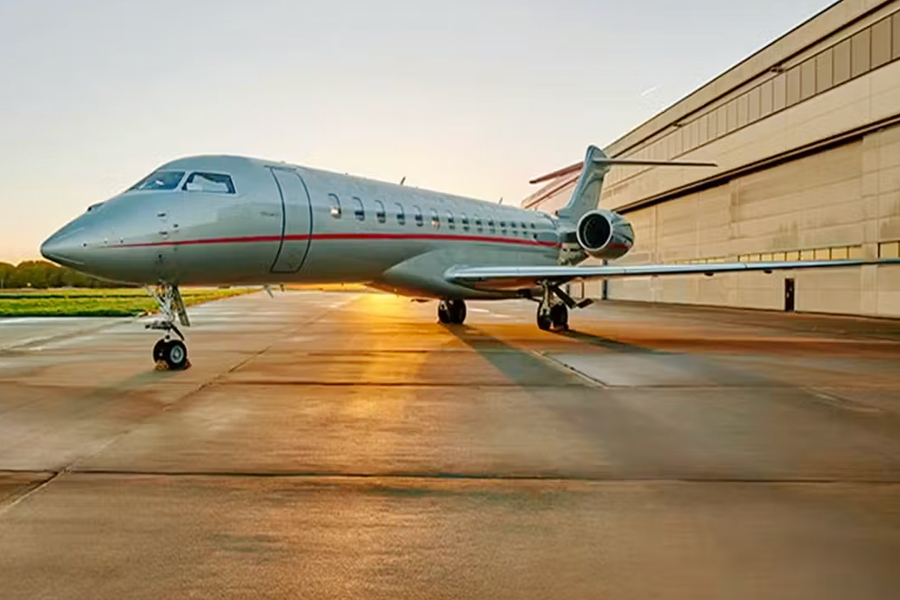
beOnd’s expansion addresses exactly that. The carrier is adding direct all-premium flights to The Red Sea from London, Paris, Zurich, Munich and Moscow from December 2026, with its Milan service returning in October, operating up to three times weekly on Airbus A320-family aircraft configured with lie-flat seats and full-service dining.
The detail worth noting is that this also reduces beOnd’s reliance on Dubai as an intermediate stop. The Red Sea is being positioned as a destination in its own right rather than as an add-on to a Gulf itinerary, which is a different commercial proposition and a more demanding one.
The Part Worth Reading Carefully
Saudi tourism and aviation authorities are supporting the expansion. That is stated openly, and it changes how the route economics should be read.
All-premium narrowbody flying on thin long-haul routes is among the hardest models in commercial aviation. Several operators have attempted variations and few have sustained them. When a state tourism authority backs such a service, the question is not whether the routes are profitable today but whether demand builds fast enough to make them profitable before the support tapers.
Two open questions follow:
- Durability. Incentivised routes can be withdrawn as easily as they are launched. A resort whose access depends on subsidised flying carries a risk that does not appear on its balance sheet.
- Service norms. Questions remain over how onboard alcohol service will be handled on Saudi-bound flights, which is a live consideration for the European leisure traveller these routes are designed to attract.
What This Means for Travellers and Operators
- The Red Sea becomes a realistic winter alternative. With direct European service from December, it competes with the Maldives and the Gulf on journey time rather than only on novelty.
- Early-stage destinations reward flexibility. Properties in a market still building its access tend to offer availability, attention and rates that mature destinations do not. That advantage closes as the flights fill.
- Operators elsewhere should watch the model. A state backing premium air access to support hospitality investment is a template other developing luxury destinations will study, and it puts established resort markets on notice.
The underlying discipline for any of these properties remains the same one we set out in luxury hotel marketing strategy: the promise is delivered nightly by people, and no amount of access solves a service problem.
Bottom Line
Four Seasons Resort Red Sea at Shura Island has opened into a destination that is finally acquiring the access its hotels were built for, with beOnd launching direct all-premium flights from London, Paris, Zurich, Munich and Moscow from December 2026 and Milan returning in October. The properties are genuinely exceptional and the coastline is unlike anything else at this price point. The caveat is that the air service carries state support, which makes the route economics a question rather than a settled fact, and open issues remain around onboard service norms. For travellers, the window where an early-stage destination offers space and attention that a mature one cannot is open now and will close as the flights fill. The wider regenerative positioning is covered in Amaala and regenerative travel.
FAQ
How do you currently reach the Red Sea resorts from Europe?
Predominantly through connecting itineraries via Gulf hubs, alongside charter and private aviation, which is why the segment has skewed heavily toward guests with access to private aircraft. The direct all-premium services announced for December 2026 from five European cities are intended to change that by removing the connection entirely.
What is an all-premium airline?
A carrier operating aircraft configured entirely in a premium cabin, typically with lie-flat seating and full-service dining, rather than mixing economy and business classes. The model targets leisure travellers willing to pay for comfort on routes that would not support a conventional widebody. It is commercially demanding because load factors have to hold at high fares.
Is the Red Sea a year-round destination?
The main season runs through the cooler months, which is why direct European services launching in December align with peak demand. Summer temperatures on the coastline are extreme, and properties in the region generally plan around a winter and shoulder-season pattern rather than uniform year-round occupancy.
Why do luxury resorts open before the flights arrive?
Because construction timelines and route planning run on different clocks. A resort takes three to five years to build, while an airline can add a route within months once demand is evident. Developers therefore commit capital first and access follows, which is why early guests at new destinations are disproportionately those travelling privately.