

Discus Pushes for Tariff Exemptions as Fine Wine and Spirits Continue to Shape Global Luxury Consumption
The global Fine wine and spirits sector continues to play a powerful role in international trade, hospitality, and luxury consumption, particularly among the world’s Ultra High Net Worth Individuals.
This week, the Distilled Spirits Council of the United States reinforced the strategic importance of the category as Discus president and CEO Chris Swonger formally called for tariff exemptions on spirits during testimony before the Section 301 Committee in Washington.
The appeal arrives at a pivotal moment for the international spirits industry, where premiumisation, cross border demand, and luxury hospitality experiences continue to drive value creation across the Fine wine and spirits landscape.
Fine Wine and Spirits Remain a Major Economic Force
According to Discus, the American spirits sector currently generates more than 250 billion dollars in economic activity while supporting approximately 1.7 million jobs throughout the United States. The industry also sources more than 2.7 billion pounds of grain annually from American farmers, reinforcing its influence across agriculture, manufacturing, hospitality, tourism, and luxury retail.
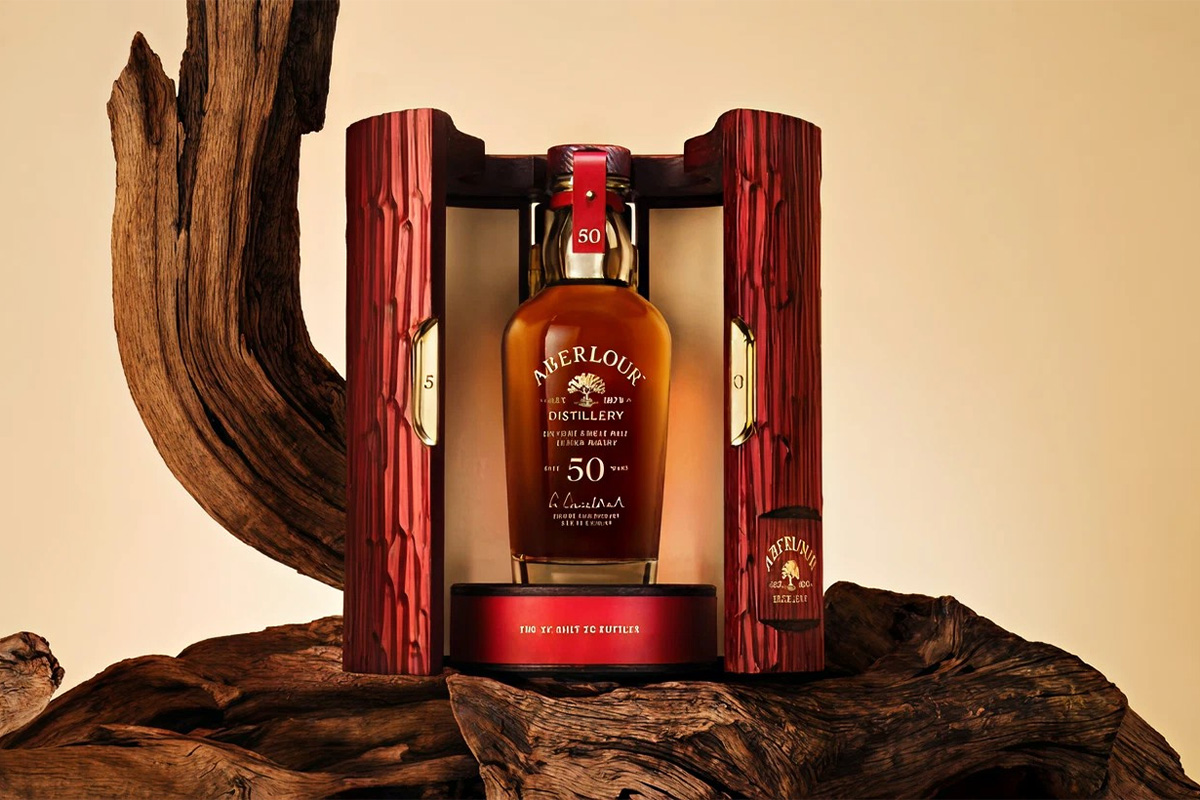
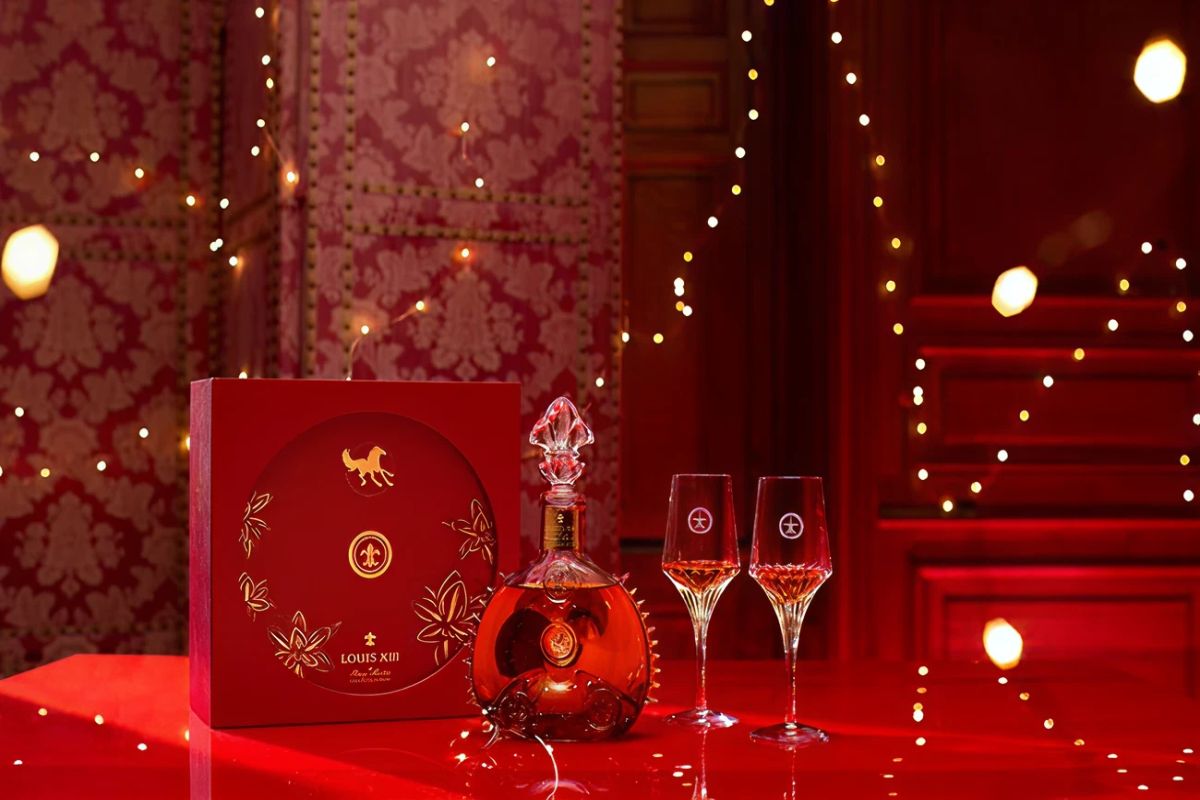
For the 1%, Fine wine and spirits remain deeply embedded in modern luxury culture. Global Ultra High Net Worth Individuals now represent more than 395,000 people worldwide, collectively controlling over 45 trillion dollars in wealth. Within this audience, collectible whisky, Cognac, Champagne, and ultra premium tequila continue to emerge as symbols of refinement, status, and cultural sophistication.
Rare bottles, private cellar collections, invitation only tastings, and luxury hospitality activations have transformed Fine wine and spirits into a lifestyle category closely aligned with art, watches, yachts, and high jewellery.
The Global Luxury Spirits Economy Continues to Expand
Swonger highlighted the importance of maintaining open international trade for spirits producers and hospitality operators. Export growth remains a crucial pillar for American distillers, particularly as international appetite for premium Bourbon, rye whiskey, and luxury tequila continues to rise across Europe, Asia, and the Middle East.
The Fine wine and spirits industry has evolved into one of the most resilient sectors within luxury consumption. Industry analysts estimate the global premium spirits market now exceeds 380 billion dollars, with Ultra High Net Worth Individuals driving substantial growth in aged expressions, limited releases, and investment grade collections.
Luxury hospitality also continues to benefit from this momentum. Alcohol sales account for approximately 21% of total revenue for full service restaurants in the United States, illustrating how Fine wine and spirits contribute directly to elevated dining experiences and destination driven hospitality.
Fine Wine and Spirits as Cultural Capital
Across private clubs, luxury resorts, Michelin starred restaurants, and members only lounges, Fine wine and spirits have become central to experiential luxury. For affluent consumers, provenance, craftsmanship, heritage, and rarity now define purchasing behaviour as much as flavour profiles themselves.
This shift explains the increasing relevance of categories such as aged American whiskey, ultra premium Cognac, collector Champagne, and artisanal tequila among the world’s wealthiest consumers. The category now operates at the intersection of investment, entertainment, gastronomy, and culture.
For luxury groups and global spirits houses, maintaining seamless international access remains essential to supporting this ecosystem.
The Future of Global Spirits Trade
Discus continues to advocate for trade conditions that support export growth and international collaboration across the Fine wine and spirits sector. Swonger also encouraged the acceleration of trade agreements with key global partners, including the European Union and United Kingdom, alongside the development of new strategic export markets.
As luxury consumption continues to globalise, Fine wine and spirits are expected to remain one of the most influential pillars of premium lifestyle spending for the 1%.
From rare Bourbon collections to private Cognac tastings and ultra exclusive whisky releases, the category continues to embody craftsmanship, celebration, and long term cultural value within the world of Ultra High Net Worth Individuals.
Share Now
LATEST
POPULAR
The latest trade data highlights the international influence of the UK's distilling expertise while reinforcing the long term appeal of collectible spirits for The 1%.

Diageo, among the world's most distinguished premium drinks companies, now enters a new chapter under the leadership of CEO Sir Dave Lewis.

The collaboration brings together the storied Maison and independent master watchmaker Denis . . .