

At a glance
- Coty is handing the Gucci Beauty licence back to Kering for approximately USD 400 million, a year ahead of its original expiry.
- L’Oreal takes over from 1 July 2027 under a fifty-year exclusive agreement, subject to regulatory approval.
- This completes the EUR 4 billion Kering and L’Oreal alliance struck in October 2025, which already moved Creed, Bottega Veneta and Balenciaga.
- Read it as an architecture decision rather than a beauty one. Kering no longer operates a category it once wanted to own.
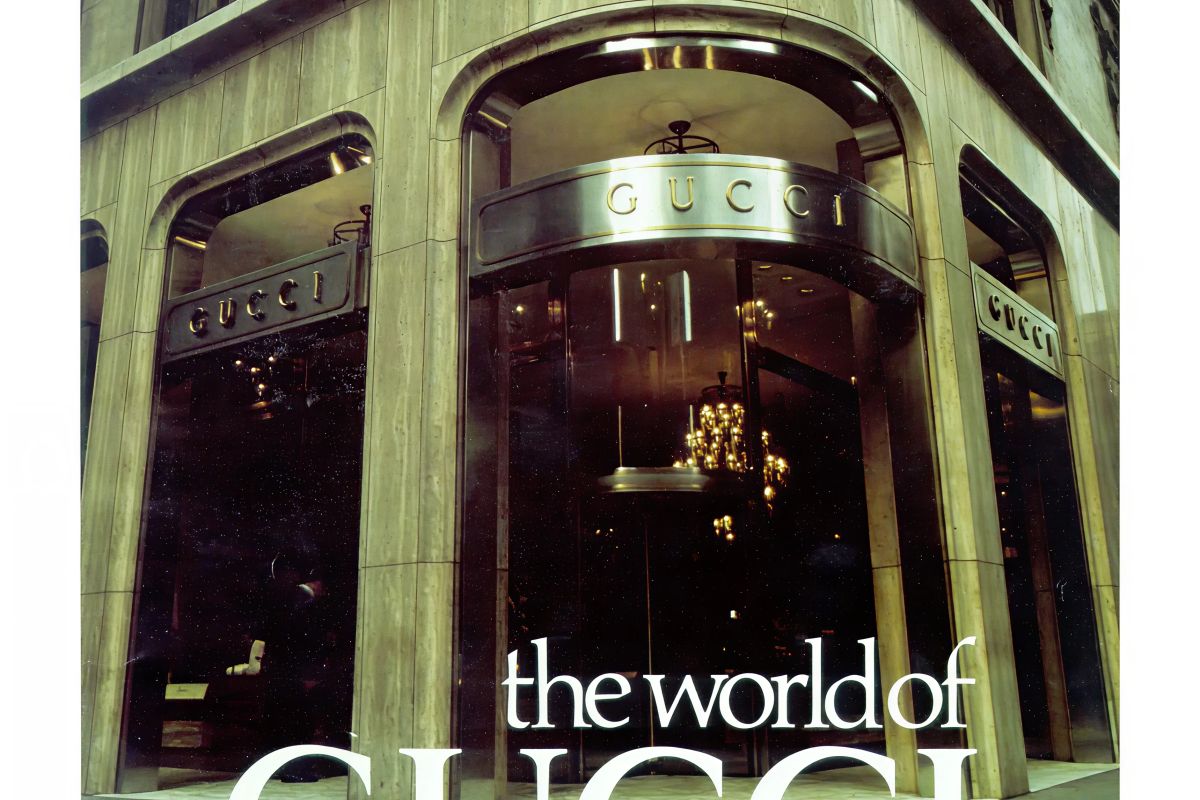
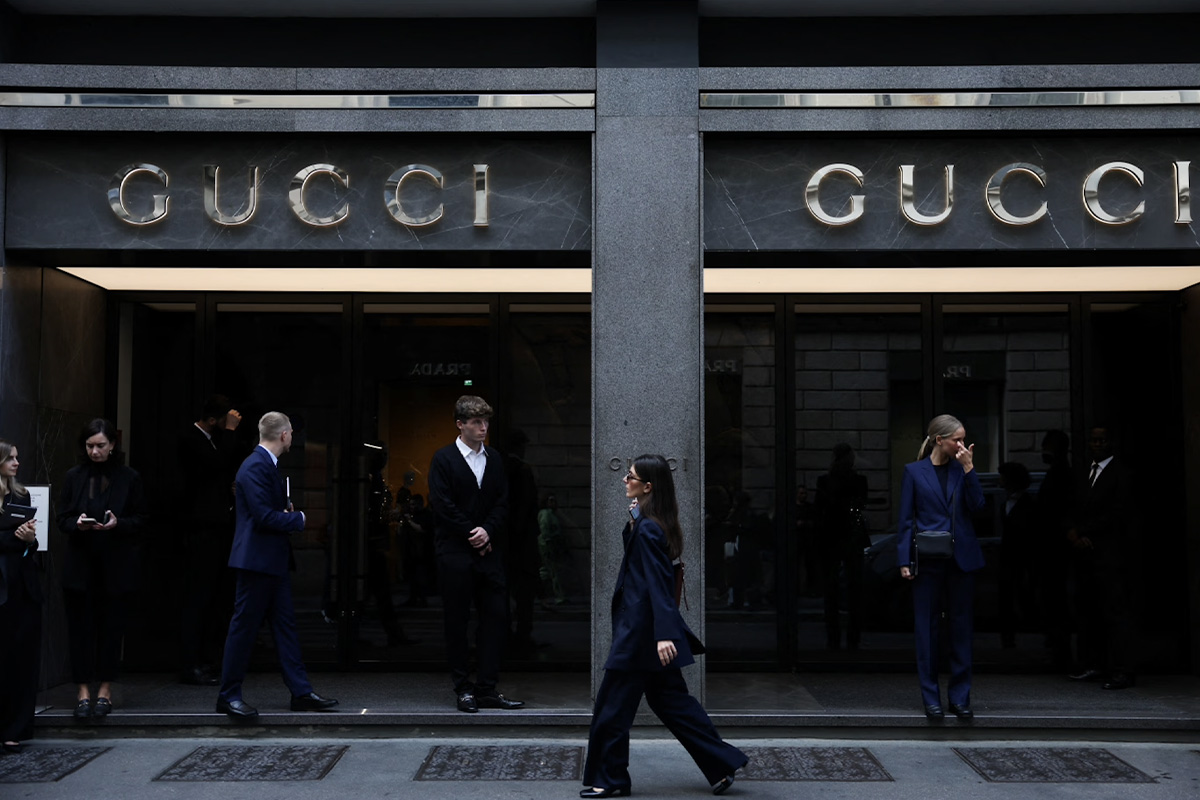
Kering has closed the last open question in its beauty strategy. Coty will transition the Gucci Beauty licence back to the group for roughly USD 400 million, ending its agreement a year early, and L’Oreal will take it on from 1 July 2027 under a fifty-year exclusive licence. The headline is a licence transfer. The substance is a group finishing the job of removing an entire operating layer from its business. Here is what the deal contains, why the year matters, and what it says about how luxury groups now think about categories they do not control.
What the Agreement Actually Contains
The terms are unusually explicit for a licence negotiation, which is itself a signal that all three parties wanted the matter settled.
- Coty receives approximately USD 400 million for the early redemption: USD 250 million during 2026 and up to USD 150 million by 30 September 2027, with a portion of the later payment contingent on certain criteria.
- Coty continues to operate Gucci Beauty through at least 30 June 2027, rather than to the original expiry of 30 June 2028.
- L’Oreal covers roughly 70% of the early redemption costs and inventory transfer, paid to Kering as consideration for organising the handover.
- Selected inventories are acquired as part of the transition, on top of the redemption sum.
- Coty and Kering agreed a mutual resolution of all pending litigation and claims concerning the licence.
That last point is the quiet one. A negotiated exit that also clears outstanding disputes is worth more than its cash value to both sides, because it removes a source of friction from a handover that has to run for another year.
Key figureFifty years. The length of the exclusive licence L’Oreal has taken on Gucci Beauty. In an industry that changes creative directors every two or three years, a half-century commitment is a statement about which layer of the business is meant to be permanent.
Why Does the Extra Year Matter?
Because a licence in run-off is a licence nobody invests behind. Under the original terms, Coty would have held Gucci Beauty until mid-2028 while knowing since October 2025 that it was leaving. That is two and a half years of managing a brand on behalf of a successor, with no incentive to launch, reformulate or build.
Buying that year back costs Kering and L’Oreal real money and removes the dead period. Luca de Meo, Kering’s chief executive, framed the agreement as accelerating the transition so that Gucci and L’Oreal can begin shaping the brand a year earlier than planned. Cyril Chapuy, president of L’Oreal Luxe, described the ambition in terms of building a multi-billion-euro house.
The commercial logic is straightforward: fragrance is a category where momentum compounds and gaps are expensive. Coty grew Gucci Beauty revenues by more than 60% since 2019, with franchises including Flora, Bloom, Guilty and Alchemist Garden. Handing that over mid-stride is worth paying to avoid.
The Real Story Is Architecture, Not Beauty
Step back and this is the final piece of a much larger restructuring. The Kering and L’Oreal alliance was announced on 19 October 2025 and completed on 31 March 2026, valued at EUR 4 billion. It moved Kering Beaute including Creed to L’Oreal, along with fifty-year exclusive licences for Bottega Veneta and Balenciaga. Gucci was the outstanding item.
Two years earlier, Kering had been building the opposite. It bought Creed for EUR 3.5 billion in 2023 and created a beauty division to operate the category itself. The group extended its houses into a new layer under its own control, concluded the extension was not earning its cost of capital, and converted it into a licence. The brands stay. The category stays. Only the ownership of the layer changes.
That is a textbook brand architecture decision, and we set out the framework for reading it in brand architecture examples from luxury conglomerates. The wider reset under de Meo is covered in Kering’s strategic evolution.
Good to knowBeauty is the accessibility valve on a business built around inaccessibility. A fragrance is how most people first own a luxury house, which makes it commercially enormous and strategically delicate: the entry product recruits a client who may trade up over decades, and it also puts the house’s name on an item sold in airports. Managing that tension requires manufacturing, regulatory and mass-distribution capabilities most fashion groups do not have, which is why the category is so often licensed rather than operated.
What Each Side Gets
Kering completes its exit from operating beauty and keeps the economics through a long licence, without carrying the industrial burden. It also frees management attention at a moment when Gucci’s core fashion business needs all of it.
L’Oreal adds a globally recognised name to L’Oreal Luxe a year sooner, with fifty years of runway to build behind it. For a group whose competitive advantage is scale in innovation and distribution, an extra year of ownership compounds.
Coty converts a licence it was always going to lose into USD 400 million of capital, which it has indicated will go toward debt reduction, reinvestment in its priority prestige brands and organisational streamlining. Markus Strobel, executive chairman and interim chief executive, described the outcome as recognising the value created under Coty’s stewardship. That is the language of a seller who negotiated rather than one who was pushed.
Key takeawayThe most common answer to the beauty question in luxury is now to license rather than to operate. Kering tried ownership, paid EUR 3.5 billion for Creed to prove it, and reversed within three years. When a group with that much capital concludes the layer is better rented, smaller houses should take the finding seriously.
What to Watch Next
Three things will determine whether this reads as a good deal in five years.
- Regulatory approval. The licence is expected to take effect in mid-2027 subject to customary clearances, and a fifty-year exclusive arrangement between two market leaders is not a formality.
- Whether Gucci’s identity stabilises. A beauty licence performs in proportion to the desirability of the house behind it, and Gucci has cycled through creative direction repeatedly. Fragrance cannot outrun an unclear brand.
- The transition year itself. Kering and L’Oreal have committed to work within a defined framework to maintain continuity until mid-2027. Handovers of this size are where value quietly leaks.
Bottom Line
Gucci Beauty moves to L’Oreal on 1 July 2027 under a fifty-year exclusive licence, with Coty compensated approximately USD 400 million to leave a year early and L’Oreal covering around 70% of that cost. It completes a EUR 4 billion realignment that began in October 2025 and closes the last open item in Kering’s beauty portfolio. The interesting part is not the transaction but the reversal it confirms: a group that spent EUR 3.5 billion in 2023 to own this category has decided within three years that renting it is better. For anyone running a portfolio, that is the more transferable lesson, and the operating economics behind it are set out in beauty branding. The wider results picture for Kering’s fashion houses sits in the return to growth across the sector.
FAQ
Why do fashion houses license their beauty business?
Because fragrance and cosmetics require manufacturing, regulatory compliance and mass distribution at a scale most fashion groups do not possess. A licensee supplies those capabilities and pays royalties, which converts a capital-intensive operation into a margin stream. The trade-off is control: the licensee makes volume and distribution decisions that affect how accessible the house’s name becomes.
What did Coty do with Gucci Beauty?
Coty acquired the licence in 2016 and has said it grew the brand’s revenues by more than 60% since 2019, building global franchises including Gucci Flora, Bloom, Guilty and Alchemist Garden. The early redemption compensates Coty for the remaining value of an agreement that would otherwise have run to mid-2028.
Is a fifty-year licence unusual in beauty?
It is long even by industry standards, where twenty to thirty years is more typical. The length signals that both parties intend the arrangement to outlast several cycles of creative leadership at the house, and it gives the licensee enough runway to justify sustained investment in formulation, retail and marketing infrastructure.
Does this affect Gucci’s fashion business?
Not directly, since fashion and beauty are separate operations. Indirectly it matters a great deal, because beauty is where most consumers first encounter the name, and its positioning either supports or undermines the desirability the fashion house depends on. A beauty partner that widens distribution too aggressively can erode the exclusivity the core business is built on.