

- Prada Group grew first-half revenue to USD 3.5 billion, up 5%, and the growth came from product mix rather than from raising prices.
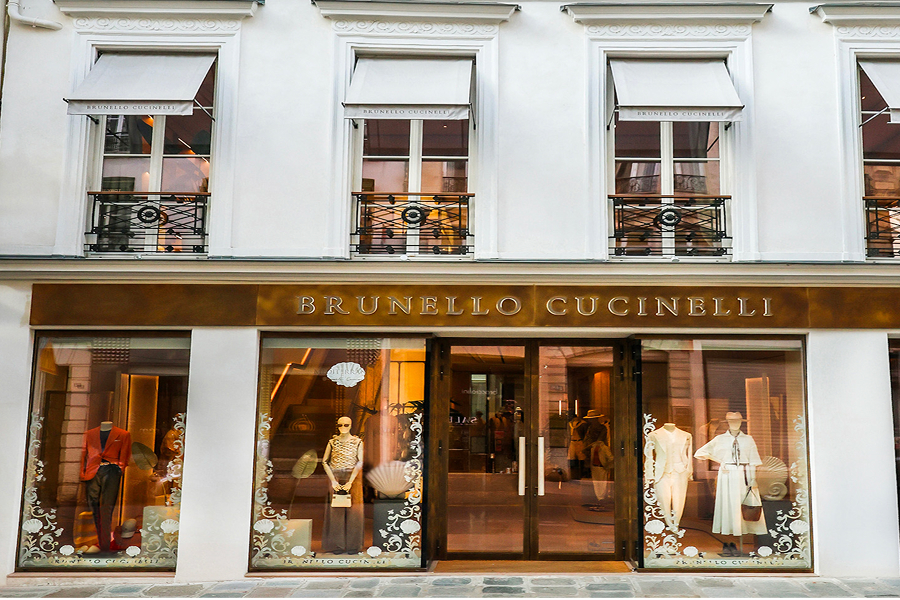
- Brunello Cucinelli grew 13.3% at constant currencies to USD 864 million, with retail up 19.3% and the Americas up 20.6%.
- Both did it with volumes positive. That is the metric the sector lost during the price-increase years.
- The strategy is not lower prices. It is giving clients a specific reason to spend rather than waiting for demand to return.
Luxury spent four years growing by charging more for the same object. That model has reached its limit, and the first-half results season produced the clearest evidence yet of what replaces it. Prada Group and Brunello Cucinelli both grew without leaning on price increases, and both did it with volumes positive. In a sector where growth has frequently meant the same units at higher tickets, that distinction separates a durable business from a temporary one. Here is what each did, why it works, and what it costs to copy.
What Did Prada and Cucinelli Actually Report?
Prada Group posted first-half revenue of USD 3.5 billion, up 5%. The composition matters more than the total: growth came predominantly from a more favourable product mix and stronger spending by top clients, rather than from heavier price increases, with volumes slightly positive.
Bernstein analyst Luca Solca noted the result better supports Prada’s ambition to compete among the sector’s largest brands. That is a judgement about durability rather than about the quarter.
Brunello Cucinelli, reporting the same day, delivered the sharper version. First-half revenue rose 13.3% at constant currencies to USD 864 million, with retail up 19.3% and the Americas up 20.6%. The company attributed growth to both new clients and higher spending from existing ones, and raised its 2026 growth forecast to between 10% and 11%.
Volumes positive. The detail that separates these two results from most of the sector. Growth in units sold means clients are buying more objects, not paying more for the same number.
Why Does Volume Growth Matter More Than Revenue Growth?
Because price-led growth borrows from the future and volume-led growth does not.
When a house raises prices and revenue rises while units fall, it has converted a wide client base into a narrower one at a higher ticket. The revenue line looks identical for a period. Underneath, the brand has fewer relationships, less frequency and a shrinking pool of aspirational clients who might have traded up over a decade.
That is the mechanism behind the sector’s current difficulty. Bernstein’s Solca has pointed out that entry-price jewellery now offers a material value advantage over handbags whose prices rose steeply from 2019, which is a polite way of saying the arithmetic became visible to clients. A category that raised prices faster than it raised perceived value taught its own customers to compare.
Cucinelli’s position is instructive because it was built to avoid exactly this. The company credits controlled distribution and limited exposure to aspirational consumers for sustained full-price demand across regions. It never recruited the customer who leaves when prices rise, so it has none of that customer to lose.
How Do You Grow Without Raising Prices?
Four mechanisms are visible in these results, and none of them are discounts.
- Shift the mix upward. Sell a greater proportion of higher-value pieces to the clients already buying, rather than charging everyone more.
- Deepen the top of the client base. Both companies grew through higher spending from existing clients. Retention economics beat acquisition economics at this end of the market.
- Control distribution. Cucinelli’s retail channel grew 19.3%, well ahead of the group. Owned retail protects full-price sell-through in a way wholesale cannot.
- Give a specific reason to buy now. The strongest performers this season did not wait for a market recovery. They created demand at a moment when the category as a whole was not.
The underlying discipline is the one we set out in quiet luxury branding: value that is legible to the client who knows what they are looking at, rather than a price that asserts value on its own.
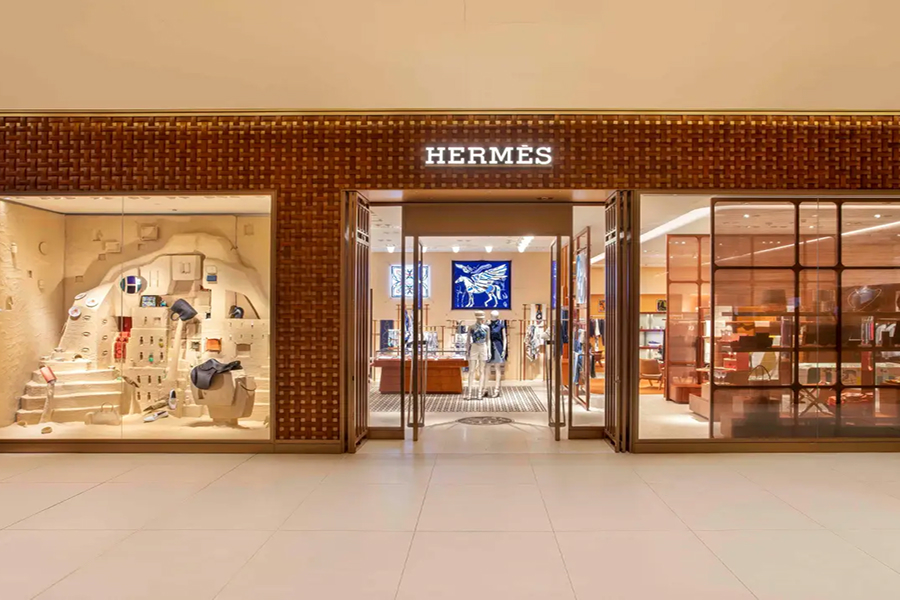
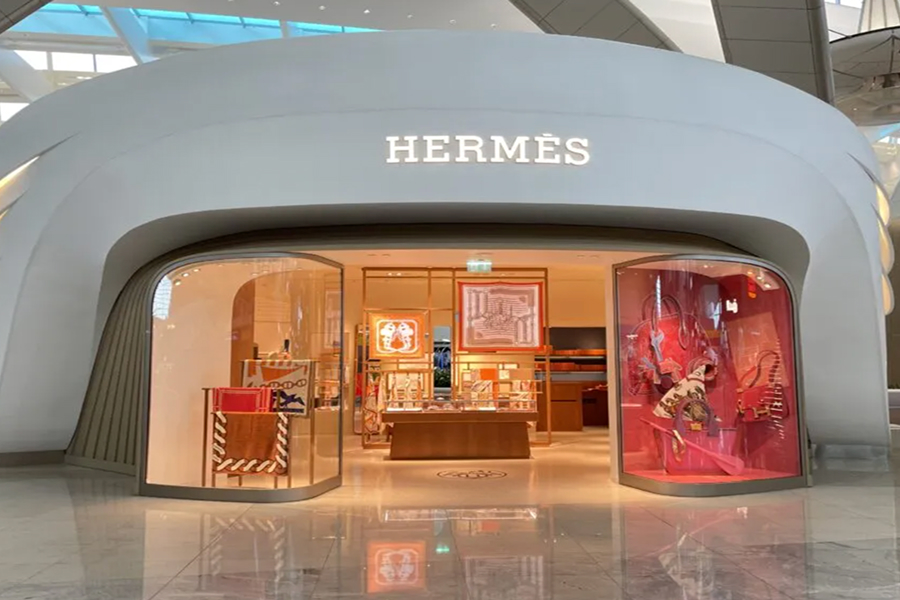
Hermes remains the awkward exception to the argument that luxury prices simply went too high. Its clients continue to accept that the products justify the prices, and the house has shown no intention of making the kind of pricing correction now under way elsewhere. That is why analysts continue to treat it as the sector’s benchmark: it demonstrates that the problem was never the price level itself, but the gap between price and demonstrable value.
What This Costs to Copy
The strategy is not free, and three costs explain why more houses have not adopted it.
It requires giving up volume growth from aspirational clients. Cucinelli’s limited exposure to that segment is a deliberate constraint that caps addressable market in exchange for pricing stability. Most listed groups cannot make that trade under quarterly pressure.
It requires owning distribution. Full-price discipline is unenforceable through wholesale partners who mark down at the end of a season. Buying back distribution is expensive and takes years.
It requires product that can carry a mix shift. Selling a higher proportion of expensive pieces only works if those pieces are genuinely better. A mix shift without craft behind it is a price increase with extra steps.
The useful question when reading any luxury result this season is not how much revenue grew, it is whether units grew alongside it. Revenue up and volumes down is a house harvesting its client base. Revenue up and volumes up is a house that still has one.
Bottom Line
Prada grew 5% to USD 3.5 billion and Cucinelli grew 13.3% to USD 864 million, both without depending on price increases and both with volumes positive. The lesson is not that luxury should charge less. It is that the four-year run of growth through repricing has exhausted the client patience it depended on, and the houses now performing are the ones giving clients a specific reason to spend rather than a higher number to accept. For anyone assessing their own position, the diagnostic is the pricing power test set out in our guide to running a brand audit: did the last increase hold, and did units hold with it. The wider category divergence is covered in jewellery as the engine of the industry, and the structural discipline in what luxury branding actually means.
FAQ
What is a product mix shift?
It means the proportion of higher-value items in the sales total rises, so average transaction value increases without any individual item being repriced. A house selling more leather goods and fewer entry accessories shows higher revenue per client through mix. It is distinct from a price increase, which raises the ticket on items the client was already buying.
Why do analysts focus on volumes rather than revenue?
Because volumes reveal whether client relationships are growing or being harvested. Revenue can rise while units fall, which means fewer people are paying more, and that narrows the base a brand can grow from later. Positive volumes indicate the house is still recruiting and retaining, which is the harder and more durable achievement.
Have luxury prices actually gone too high?
The evidence suggests the problem is the gap between price and demonstrable value rather than the absolute level. Hermes has not corrected its pricing and continues to grow, because its clients accept that the products justify the cost. Houses that raised prices faster than they raised craft, service or scarcity are the ones now facing resistance.
Should a luxury brand ever lower prices?
Cutting list prices is dangerous because it confirms the previous price was not earned and creates an expectation of further reductions. The workable alternatives are adjusting the entry point of a range, improving what is delivered at the existing price, or shifting mix so clients trade up voluntarily. The distinction is between repricing the brand and repricing a shelf.