

How to Choose a Hotel Branding Agency: The Definitive Guide for Luxury Properties
The global luxury hotel sector is projected to surpass $120 billion in 2026. In a market of this scale and ambition, a hotel’s brand is never an afterthought. It is the invisible architecture that shapes how guests discover, choose, experience, and remember a property. The right branding partner can define a hotel’s trajectory for decades. The wrong one burns six figures and months of irreplaceable momentum.
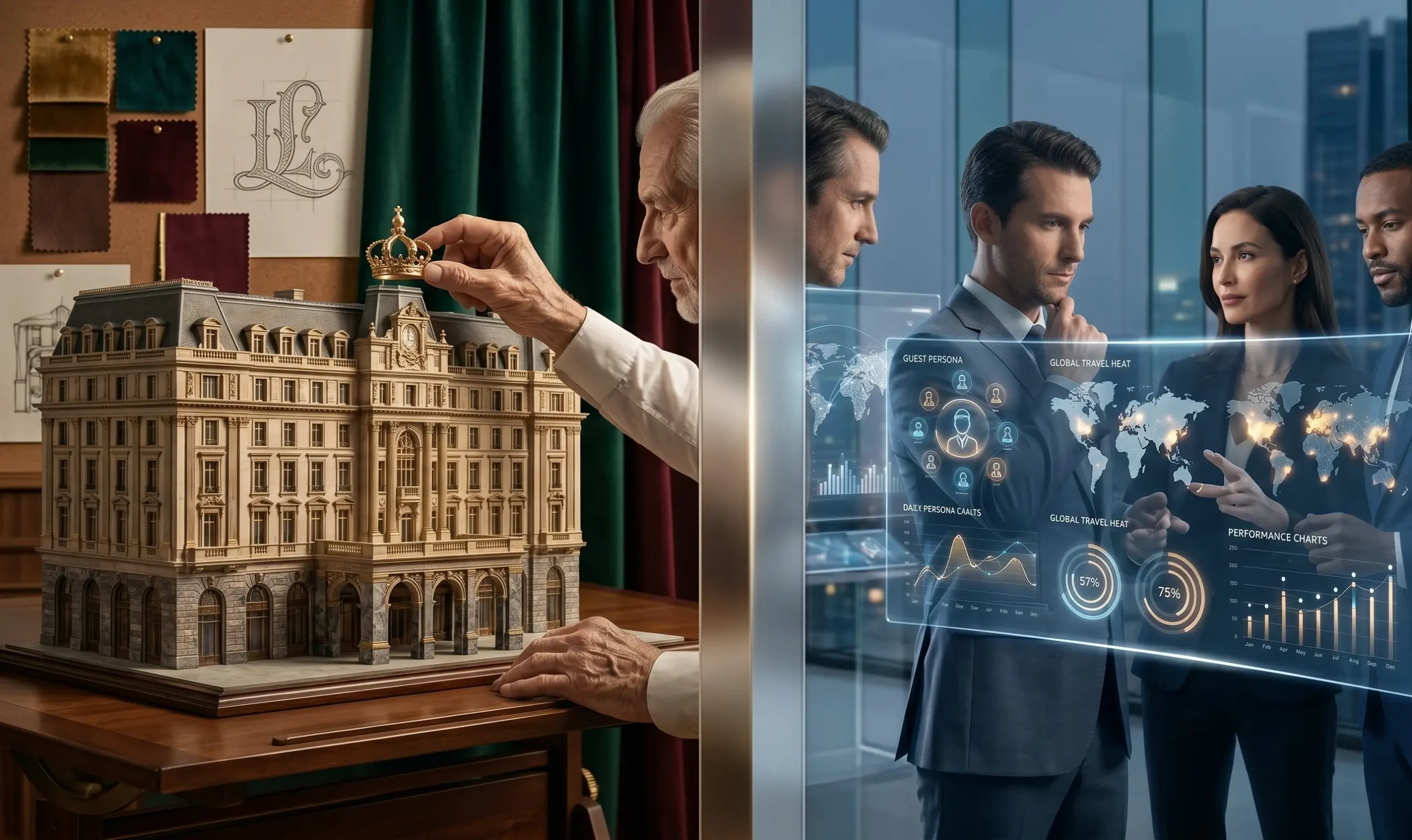
Yet most hotel owners and developers approach agency selection the same way they would hire a graphic designer: reviewing portfolios, comparing quotes, and choosing the most visually appealing pitch deck. Hotel branding is a strategic discipline, not a design project. The gap between a competent agency and an exceptional one lies in hospitality fluency, strategic depth, and the ability to translate a property’s soul into a guest-facing brand.
This guide breaks down the essential criteria for choosing a hotel branding agency: from evaluating hospitality expertise and strategic methodology to assessing portfolio quality, cultural fit, and long-term partnership potential. Whether you are launching a new property, executing a rebrand, or refreshing an established identity, these are the questions that separate a good agency from the right one.
Understanding What Hotel Branding Actually Means in 2026
A hotel brand is the complete system of visual identity, brand voice, core values, guest experience design, emotional narrative, and multi-touchpoint consistency that defines how a property is perceived, chosen, and remembered by its guests.
Hotel branding in 2026 extends far beyond a logo, a color palette, or a tagline. A hotel brand strategy encompasses the entire sensory and emotional universe of a property: the tone of a confirmation email, the scent in the lobby, the texture of the in-room stationery, the narrative woven through every guest interaction. It is the thread that connects a website visit to a five-night stay.
The market context makes this even more critical. Travel is shifting toward what industry analysts call “intentional restoration”: guests, particularly UHNW travelers and Gen Z luxury consumers, seek meaning-driven experiences rooted in place, culture, and personal transformation. A hotel’s brand identity must speak to these deeper motivations, not just aesthetic preferences. Meanwhile, AI-powered brand discovery is reshaping how travelers find properties. Guests increasingly encounter hotels through conversational search engines and curated AI recommendations, which means brand clarity and emotional branding are more important than ever for brands catering to UHNWIs.
Understanding the full scope of what a hotel brand entails is the first step toward evaluating whether a potential agency partner can deliver on every dimension, not just the visual surface.
What a Hotel Branding Agency Actually Does (And What It Doesn’t)
A hotel branding agency’s core mandate is to build the strategic and creative foundation upon which every guest touchpoint is constructed. This includes brand strategy and positioning, naming and verbal identity, visual identity design (logo, typography, color system, iconography), comprehensive brand guidelines and governance, website design and digital presence, campaign creative and content strategy, and brand activation across every physical and digital surface: signage, in-room collateral, F&B branding, spa menus, keycard design, and beyond.
What branding is not: a branding agency is not a digital marketing firm, an OTA management company, or a public relations consultancy. Some agencies offer these services as extensions, but branding is the strategic upstream discipline. It defines who a hotel is before marketing tells the world that it exists. The distinction matters because hiring an agency that conflates branding with marketing execution will produce campaigns without a foundation, tactics without a north star.
For luxury and ultra-luxury properties, the requirements sharpen further. The agency must understand “sense of place” as a branding principle, heritage storytelling as a strategic lever, UHNW guest psychology, and the tension between brand consistency and property-level differentiation across a portfolio. This is the territory where generalist agencies falter and luxury travel branding agencies with genuine hospitality DNA distinguish themselves.
The 8 Non-Negotiable Criteria for Choosing a Hotel Branding Agency
Evaluating a hotel branding agency requires a structured framework, not a gut feeling. The following eight criteria represent the non-negotiable benchmarks that separate credible hospitality branding firms from agencies that merely list hotels on their client page.
1. Deep Hospitality Experience
Hospitality fluency is the single most important qualifier. The agency must have a verifiable track record in the hotel sector, not just adjacent “lifestyle” or “luxury” categories. Look for named hotel clients, published case studies with measurable outcomes, and demonstrated familiarity with hospitality-specific challenges: seasonality, multi-property governance, OTA dynamics, revenue management alignment, and F&B integration. An agency that has branded a fashion label and a restaurant does not automatically understand how to brand a 200-key resort with three dining concepts and a destination spa.
2. Strategic Depth Over Visual Flash
A credible firm will present a structured methodology: discovery and audit, competitive positioning, brand architecture, creative execution, and activation. Agencies that jump straight to mood boards, color palettes, or visual concepts before understanding a property’s positioning, target audience, and competitive landscape are prioritizing aesthetics over substance. Strategy precedes design. Always ask to see the strategic deliverables from a previous engagement, not just the final visuals.
3. Portfolio Quality and Relevance
Aesthetics matter, but portfolio evaluation must go deeper. Assess whether the branding translated across multiple touchpoints: from the website to the physical property, from social media to the in-room experience. Does the work feel appropriate for the property’s market segment? Did it produce measurable results: increased direct bookings, ADR lift, brand recognition improvement? A portfolio of beautiful logos that exist only on a Behance page is not evidence of effective hotel branding.
4. Understanding of Your Property Type
A boutique hotel in Brooklyn has fundamentally different branding needs than a Four Seasons resort in the Maldives. A branded residence development requires a different strategic approach than an independent conscious luxury hotel in Bali. Ensure the agency has worked with properties comparable to yours in scale, positioning, market segment, and audience. Ask specifically about experience with your property type: boutique, lifestyle, luxury resort, branded residence, independent hotel, or hotel chain portfolio.
5. Cultural Fit and Communication Style
Branding is a deeply collaborative process that demands trust, transparency, and alignment on creative ambition. Assess who you will actually work with on a daily basis. Will you have direct access to senior strategists and creative directors, or will you be handed to junior account managers after the pitch? Is the agency’s own brand and communication style aligned with the world you aspire to create? Chemistry meetings are not a formality. They are a diagnostic.
6. Multi-Touchpoint Capability
Hotel branding extends far beyond a website and a logo. A capable agency must deliver brand activation across every dimension: digital (website, social media, email, booking engine), physical (signage, collateral, room amenities, F&B branding), experiential (guest journey mapping, sensory branding, arrival rituals), and strategic (brand guidelines comprehensive enough for a management company or franchise operator to execute with fidelity). If the agency’s deliverables end at a PDF brand book and a homepage, the scope is insufficient.
7. Transparent Process and Pricing
Request a detailed scope of work, timeline, and deliverables list before signing any agreement. Clarity at the outset prevents scope creep, budget overruns, and misaligned expectations down the line. How does the agency handle revisions? What is included in the base fee versus billed separately? Is there a defined project management structure with regular checkpoints? For luxury projects, expect investment ranging from $50,000 to $500,000 or more, depending on scope, property count, and geographic complexity. The question is never just cost. It is value relative to the brand equity the work will generate.
8. Long-Term Partnership Potential
A brand is not a one-time project. It is a living system that requires stewardship, evolution, and consistent governance. The best agencies build for the long term: offering ongoing brand governance, seasonal campaign refreshes, new property rollouts, and brand evolution consulting. Evaluate whether the agency is structured for a long-term partnership or a transactional one-off deliverable. The difference will determine whether your brand grows with your property or stagnates after launch.
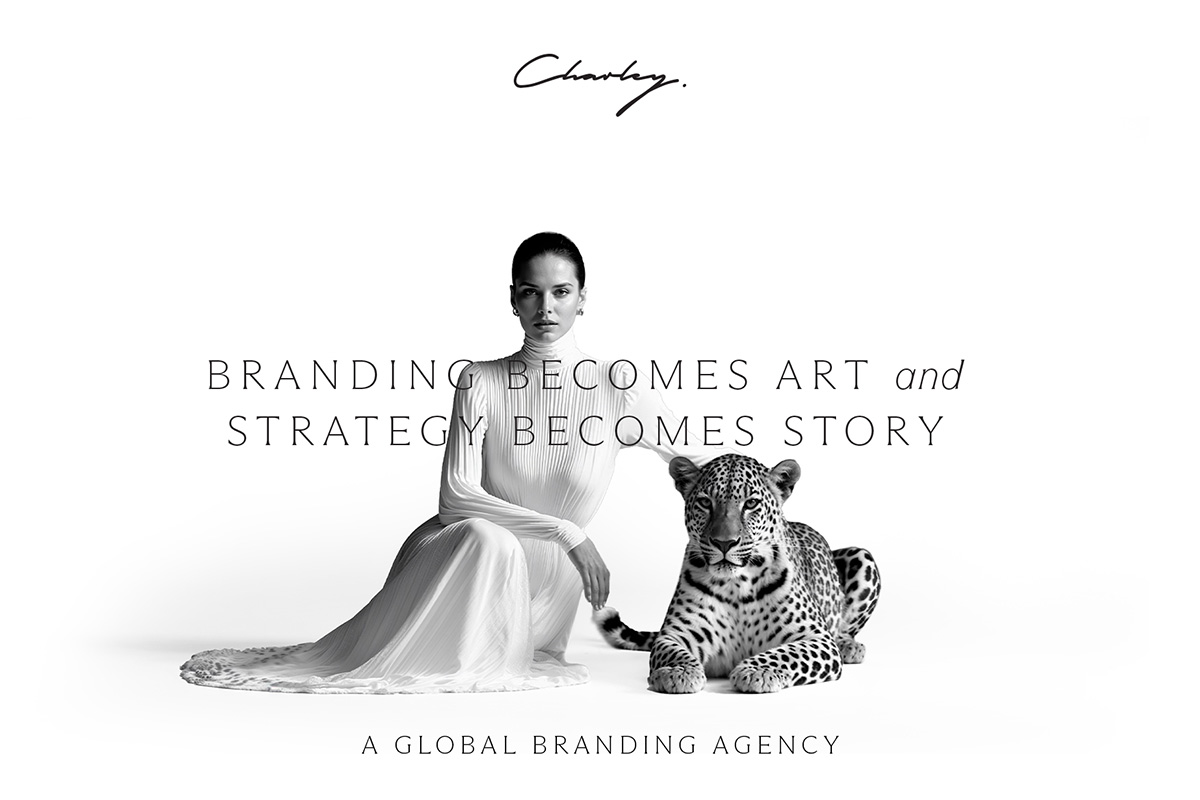
For luxury hotel owners seeking a branding partner with genuine hospitality fluency and a portfolio spanning Four Seasons, Mandarin Oriental, and Armani Hotel: Charley Signature brings strategic precision and emotional intelligence to every property they touch.

Red Flags to Watch For When Hiring a Hotel Branding Agency
Knowing what to look for is half the equation. Knowing what to avoid is the other half. The following warning signs indicate an agency that is unlikely to deliver the strategic depth and hospitality fluency that luxury properties demand.
No hospitality case studies. If the portfolio is populated exclusively with tech startups, consumer goods, and fashion labels, the agency lacks the sector-specific knowledge that hotel branding requires. Aesthetic sensibility does not compensate for an absence of operational understanding.
Logo-first thinking. If the agency’s pitch begins with visual concepts before establishing strategic positioning, target audience analysis, and competitive differentiation, the creative work will be unmoored from strategy. Design must follow positioning, never precede it.
Vague methodology. Every credible agency should articulate a clear, phased process with defined timelines and deliverables. If the answer to “What is your methodology?” is a vague description of “collaborative workshops” with no structure, expect scope creep and delays.
No access to senior team. The professionals who present in the pitch meeting should be the professionals who execute the project. If senior strategists and creative directors disappear after the contract is signed, you are paying for expertise you will not receive.
One-size-fits-all approach. A hotel in Aspen and a hotel in Miami Beach occupy fundamentally different brand universes. If the agency applies the same template, the same tone, and the same visual vocabulary to every project, your brand will feel generic rather than singular.
No post-launch support. A brand launch is the beginning, not the end. An agency with no retention model, no brand governance offering, and no capacity for ongoing creative stewardship is planning to walk away the moment the final invoice is paid.
What the Best Hotel Branding Agencies Have in Common
The most effective hotel branding agencies share a set of characteristics that distinguish them from competent generalists. Understanding these traits provides a practical benchmark for evaluating any firm on your shortlist.
Hospitality-first DNA. Their teams include professionals who have worked inside hotel groups, not exclusively as external consultants. They understand the operational realities of running a luxury property: the relationship between brand promise and service delivery, the complexity of multi-property governance, the nuances of revenue management and distribution. This institutional knowledge shapes every strategic recommendation and creative decision.
Global perspective, local sensitivity. The best agencies understand that a luxury hotel brand must feel simultaneously rooted in place and globally resonant. Consider how Rosewood’s “A Sense of Place” philosophy or Aman’s minimalist ethos translate differently across geographies while maintaining an unmistakable brand signature. This balance requires cultural intelligence, not just creative talent. It is the same principle that drives the evolution of luxury brands across every sector.
Strategic and creative integration. They do not separate strategy from design into siloed departments. The strategists and creatives work as a unified team from discovery through activation, ensuring that every visual and verbal expression is anchored in a strategic rationale.
Named client rosters and published case studies. The best firms publicly share their hotel clients and detailed project narratives. Charley Signature exemplifies this model: a globally operating luxury branding agency with hospitality at its core, known for brand partnerships with Four Seasons, Armani Hotel, Mandarin Oriental, Raffles, and Bvlgari Hotel. Their work demonstrates the integration of strategic depth, cultural sensitivity, and creative excellence that defines the highest tier of this discipline.
Step-by-Step: Your Agency Selection Process
A structured selection process eliminates guesswork and ensures that the final decision is grounded in evidence rather than persuasion. The following workflow provides a practical roadmap from initial brief to signed engagement.
Step 1. Define your brief. Clarify brand objectives, timeline, and budget before contacting any agency. Specify whether this is a launch, a rebrand, or a refresh. Define your property type, target guest profile, competitive set, and success metrics. The sharper your brief, the more revealing the proposals you receive.
Step 2. Build a shortlist. Identify three to five agencies based on portfolio relevance, hospitality experience, and geographic expertise. Prioritize firms that have worked with properties comparable to yours in scale, segment, and ambition. Industry publications, peer recommendations, and curated directories are reliable starting points.
Step 3. Request credentials and case studies. Ask for detailed case studies, not curated image galleries. You want to understand the strategic rationale behind the work, the challenges encountered, and the measurable outcomes it produced. An agency that can only show visuals without explaining the strategy behind them is a risk.
Step 4. Conduct chemistry meetings. Meet the actual team that would execute your project. Evaluate their strategic thinking, communication style, creative ambition, and cultural alignment. Pay attention to the questions they ask about your property. The best agencies are intensely curious about the details that make your project unique.
Step 5. Evaluate proposals on substance. Compare proposals based on strategic depth, scope clarity, team composition, timeline realism, and total investment. The lowest price is rarely the best value. The most polished presentation is not necessarily the most capable partner.
Step 6. Check references. Speak with two to three former hotel clients. Ask about the agency’s responsiveness, adaptability, ability to meet deadlines, quality of senior involvement, and willingness to provide post-launch support. References are the most reliable predictor of future performance.
Specialist vs. Generalist: Choosing the Right Agency Model
One of the most consequential decisions in the selection process is whether to hire a hospitality specialist or a generalist agency with luxury credentials. The following comparison clarifies the trade-offs.
Criteria | Hospitality Specialist | Generalist Agency |
Sector knowledge | Deep, operational understanding | Surface-level familiarity |
Guest journey mapping | Native capability | Requires external guidance |
Multi-touchpoint activation | End-to-end, from lobby to booking engine | Primarily digital-focused |
Pricing context | Understands luxury hospitality benchmarks | May underestimate or over-scope |
Brand governance | Built for hotel management structures | Generic brand guidelines |
Portfolio relevance | Named hotel clients and case studies | Adjacent luxury categories |
Long-term partnership | Retention-oriented, seasonal refreshes | Project-based engagement |
For luxury properties where the brand must extend seamlessly across physical, digital, and experiential dimensions, the hospitality specialist model consistently delivers superior outcomes. The knowledge gap between sectors is simply too wide for generalist agencies to bridge through research alone. The nuances of luxury hospitality require lived expertise, not theoretical familiarity.
For hotel owners ready to partner with an agency that understands the intersection of luxury, strategy, and hospitality at the highest level: explore how Charley Signature crafts brand worlds for the world’s most prestigious properties.
Frequently Asked Questions About Choosing a Hotel Branding Agency
How much does a hotel branding agency cost?
Costs vary significantly based on scope and complexity. A brand refresh for a single boutique hotel may start around $30,000 to $50,000, while a comprehensive branding program for a luxury resort or multi-property portfolio can range from $100,000 to $500,000 or more. The relevant metric is return on brand equity, not the line item alone.
What is the difference between a branding agency and a marketing agency?
A branding agency defines who a hotel is: its identity, positioning, values, and brand architecture. A marketing agency communicates that identity to the world through campaigns, media buying, and distribution channels. Many leading firms offer both disciplines, but brand strategy must always precede marketing execution. Building awareness for a brand that lacks a clear identity is a misallocation of resources.
How long does a hotel branding project take?
A comprehensive hotel branding engagement typically spans four to eight months, encompassing discovery, strategic development, creative execution, refinement, and brand activation planning. Rushing this process produces superficial results. Properties that invest the necessary time in the strategic phase consistently achieve stronger brand coherence and market differentiation.
Should I hire a generalist agency or a hospitality specialist?
For hotel branding, always prioritize hospitality-specific expertise. The nuances of guest journey mapping, multi-touchpoint brand activation, revenue management alignment, and F&B integration require sector knowledge that generalist agencies rarely possess. A specialist understands the operational context in which a hotel brand must perform, not just the aesthetic standards it must meet.
Can a branding agency help with a hotel rebrand?
Absolutely. A significant proportion of hotels rebrand within their first decade of operation. A rebrand demands even greater strategic rigor than a new brand creation, because the agency must navigate existing guest expectations, staff alignment, market repositioning, and the careful management of accumulated brand equity. The best agencies approach rebrands with the same depth of discovery and strategic discipline they apply to new builds.
Share Now
LATEST
POPULAR